
Is Your Home Optimized for Energy Efficiency? A Comprehensive Guide to Saving Costs and Protecting the Environment
Discover comprehensive strategies to enhance your home's energy efficiency. From upgrading windows, doors, and insulation to modernizing appliances and installing smart thermostats, this guide offers detailed insights to reduce energy costs and promote environmental sustainability. Achieve long-term savings and create a more comfortable, eco-friendly living space by following these practical tips and assessments. Transform your home into an energy-efficient haven today with expert-approved solutions that bring both financial and ecological benefits.
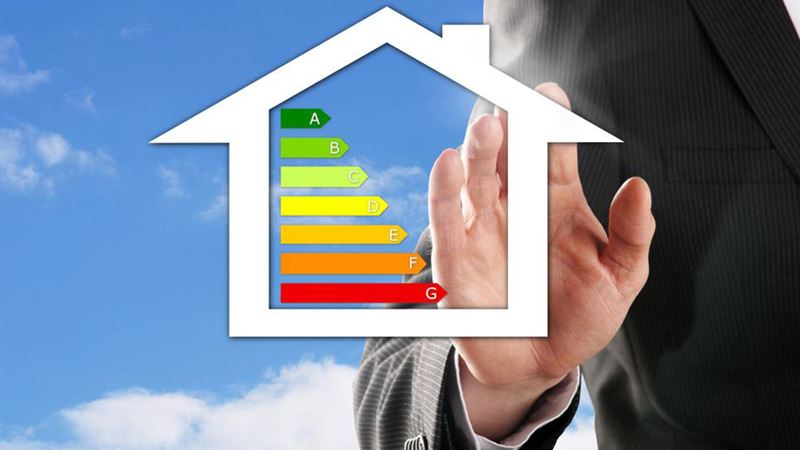
Ensuring that your residence is energy-efficient is crucial for cutting down utility costs, enhancing comfort, and supporting environmental sustainability. This extensive guide provides practical steps and detailed insights to help homeowners assess and improve their property's energy performance. From evaluating windows, doors, and insulation to upgrading appliances and thermostats, we'll cover all essential aspects to make your home more eco-friendly and cost-effective. Read on to discover how you can transform your living space into an energy-efficient haven and enjoy the myriad benefits that come with it.
Begin with a thorough assessment of your home's infrastructure. Older or poorly maintained windows often contribute significantly to heat loss. Replacing outdated aluminum-frame windows with modern, energy-efficient models, such as those made from wood or vinyl, can make a remarkable difference. Storm windows are an excellent temporary or supplementary solution that can improve insulation and reduce drafts swiftly. Remember, sealing any leaks or drafts around windows, especially at chinks and cracks, is vital. Use high-quality weatherstripping to ensure airtight seals and prevent unwanted air infiltration.
Next, inspect your doors. Hollow-core doors typically provide inadequate insulation, leading to unnecessary heat loss or gain. Consider upgrading to solid-core doors designed for thermal efficiency or adding door sweeps and weatherstripping around the frames to prevent drafts. Drafts around your home are often a sign of leaks in multiple areas. Conduct a simple draft test by holding a lit candle or incense stick near suspect zones; if the flame flickers or smoke wavers, you’ve identified leaks that need sealing.
Focus also on your basement and foundational areas, where leaks and drafts are common. Proper basement insulation not only keeps moisture and cold out but also enhances your home's overall energy efficiency. Check for any visible gaps or cracks and seal them promptly. Insulating the basement walls and floors can significantly reduce heat loss. In addition, consider insulating your attic, roof, and exterior walls thoroughly. Attic insulation is especially crucial because warm air rises and can escape through uninsulated roofs. Materials like fiberglass batts, spray foam, or blown cellulose are effective options that enhance thermal retention.
Appliances play a pivotal role in your home's energy footprint. Older appliances, particularly heating, cooling, and water heating systems, tend to be inefficient and consume more energy. Upgrading to ENERGY STAR-rated appliances can lead to substantial savings. The water heater is a primary candidate for replacement; modern, energy-efficient models utilize less energy while maintaining performance. Similarly, upgrading to a high-efficiency HVAC system ensures that heating and cooling are delivered with minimal energy wastage, complementing your insulation improvements.
Thermostat control is another key factor. Programmable thermostats allow you to set different temperatures for various times of the day, reducing unnecessary heating or cooling when you're away or asleep. Today's smart thermostats even learn your routines and optimize energy use automatically, leading to significant reductions in energy bills over time. Proper thermostat calibration and strategic placement contribute greatly to energy conservation efforts.
Finally, adopting a proactive and comprehensive approach to home energy management not only reduces the long-term costs but also contributes positively to the environment. By making carefully planned upgrades and adjustments, you transform your residence into an energy-efficient oasis. This sustainable living fosters pride and satisfaction for homeowners and supports global efforts to combat climate change. Regular maintenance, periodic assessments, and staying informed about new energy-saving technologies ensure your home remains efficient and eco-friendly for years to come. Investing in home energy efficiency is a wise choice for both your wallet and the planet.