
Recognizing Hidden Signs of Leukemia: A Comprehensive Guide to Symptoms and Early Detection
Learn about the subtle and obvious signs of leukemia, including common and rare symptoms, to enable early diagnosis and improve prognosis. This comprehensive guide covers types, symptoms, and essential health tips for detecting this complex blood cancer early.
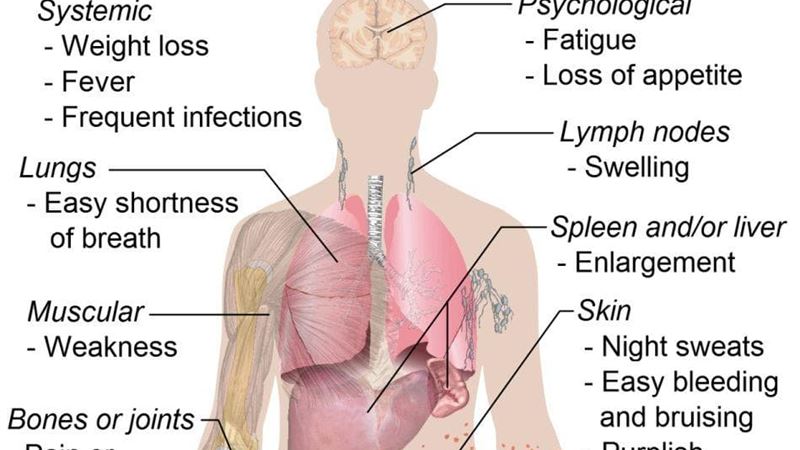
Leukemia is a complex and potentially life-threatening blood cancer that originates in the bone marrow—the soft inner part of bones where blood is produced. It involves the proliferation of abnormal white blood cells, which impair the body's ability to fight infections, carry oxygen, and clot blood properly. These unhealthy cells can infiltrate various organs, including the lymph nodes, liver, and spleen, leading to a range of health issues. Understanding the subtle and obvious symptoms of leukemia is crucial for early detection and improving treatment outcomes. This detailed guide explores the different types of leukemia, common and uncommon symptoms, and what to watch out for in your health.
Leukemia is broadly classified into two main categories based on disease progression speed: acute and chronic. Acute leukemia progresses rapidly, causing symptoms to appear and worsen swiftly, often within days or weeks. Chronic leukemia develops more slowly, sometimes remaining asymptomatic for years, which can delay diagnosis. Recognizing whether you have acute or chronic leukemia can influence treatment approaches and prognosis. Beyond the progression rate, leukemia is categorized by the type of blood cells affected—mainly lymphoid or myeloid cells—resulting in four primary types:
- Acute lymphoblastic leukemia (ALL)
- Acute myelogenous leukemia (AML)
- Chronic lymphocytic leukemia (CLL)
- Chronic myelogenous leukemia (CML)
Additional subtypes, such as hairy cell leukemia and acute promyelocytic leukemia, also exist and have specific characteristics and treatment protocols. Each type exhibits distinct symptoms and disease progression patterns, which underscores the importance of precise diagnosis.
In the early stages, many individuals do not experience noticeable symptoms, making leukemia a challenging disease to detect without medical testing. As the disease progresses, patients may develop symptoms that are both common and specific to their type of leukemia. Recognizing these signs early can be lifesaving. Here, we delve into the typical and less common symptoms associated with leukemia, enabling you to be vigilant about changes in your body.
Key Symptoms of Leukemia to Watch For- Unexplained fatigue and persistent weakness that doesn't improve with rest
- Frequent fevers and recurrent chills
- Bone or joint pain without obvious injury
- Repeated infections that are difficult to recover from
- Small reddish or purple spots under the skin known as petechiae
- Unusual bleeding from gums, nose, or rectum
- Heavy or irregular menstrual bleeding
- Persistent headaches or migraines
- Night sweats, often soaking clothes or bedding
- Shortness of breath or difficulty breathing on exertion
- Unexplained weight loss or loss of appetite
- Discomfort or fullness in the abdomen
- Swelling and tenderness in the upper left quadrant of the abdomen, possibly indicating an enlarged spleen
- Easy bruising or frequent unexplained bruises
These symptoms can sometimes mimic less severe illnesses, such as flu or cold. However, if they persist over days or weeks, it is essential to seek medical evaluation. Early diagnosis of leukemia significantly improves the effectiveness of treatment and the chances of remission.
Additional Indicators and Rare Symptoms of LeukemiaBesides the primary symptoms, certain signs can suggest leukemia’s spread or severity. These include:
- Swollen lymph nodes: Noticeable swelling in the neck, underarm, or groin may occur, indicating the spread of cancer to lymphatic tissues.
- Anemia: Low red blood cell count resulting in pallor, fatigue, weakness, and shortness of breath.
- Leukopenia: Decreased white blood cell levels compromise immune defense, making infections more frequent and severe.
- Thrombocytopenia: Reduced platelets lead to easy bleeding, bruising, and prolongation of bleeding times.
- Organ enlargement: An enlarged liver or spleen can cause a feeling of fullness, discomfort in the upper abdomen, or decreased appetite.
Many leukemia symptoms are nonspecific—fever, night sweats, fatigue, and body aches can also occur with common illnesses. The key difference is their duration and severity. While flu or cold symptoms typically resolve within a few days, leukemia symptoms tend to persist and worsen over time. If you experience any of these signs consistently, consult with a healthcare professional immediately. Early detection through blood tests and bone marrow biopsies can confirm a leukemia diagnosis, leading to timely intervention and better prognosis.
In summary, awareness of leukemia symptoms—both common and subtle—is vital. Regular medical checkups, especially if you belong to high-risk groups such as those with a family history of leukemia, previous exposure to radiation or chemicals, or certain genetic syndromes, can help catch the disease early. Advances in treatment have improved survival rates, making early diagnosis more beneficial than ever. Educate yourself and your loved ones about the symptoms to take proactive steps toward health and wellness.