
Common Challenges When Shopping for Plus Size Clothing and How to Overcome Them
Discover the common challenges faced when shopping for plus size clothing, including limited fashion options, higher prices, poor fit, and lack of proportion-specific sizes. Learn how the industry is evolving to offer more stylish, better-fitting, and inclusive options for larger bodies, empowering women and men to dress confidently and comfortably. From online shopping to brand innovations, explore practical solutions to common plus size apparel issues.
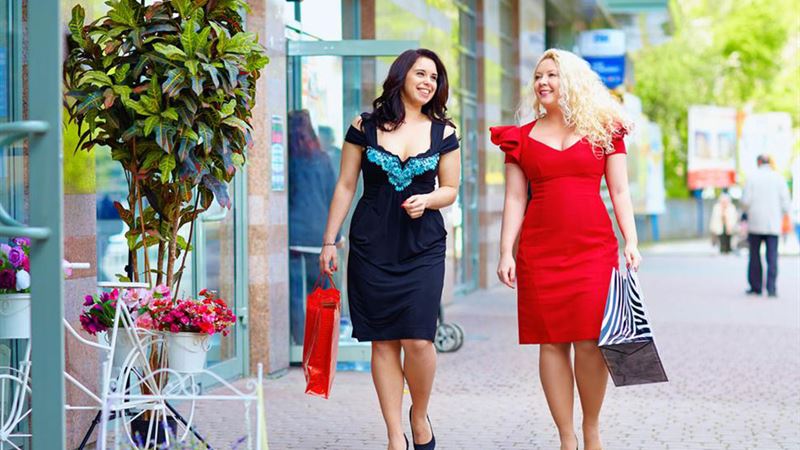
Clothing sizes that exceed the standard measurements are typically categorized as plus size or extended size options. Specifically, garments labeled as 26W and above fall into this category, with some brands extending this range even further. Historically, in the United Kingdom, terms like "outsize" were used to describe larger clothing sizes, but this term has gradually fallen out of favor due to its potentially offensive connotations. Today, the preferred terminology is "curvy," which emphasizes body positivity and inclusivity.
While "plus size" is predominantly used in reference to women's fashion, similar sizing labels exist for men. For male consumers, the terms "big" and "tall" are commonly employed, and some brands specifically offer collections under the "Big & Tall" label to cater to larger, taller men.
One of the major hurdles faced by shoppers looking for plus size clothing is inconsistency across brands and styles. Many consumers find that plus size fashion tends to lag behind in terms of style, trendiness, and overall aesthetic appeal. Larger-sized garments often appear less fashionable, with many pieces being outdated, frumpy, or lacking the modern flair found in smaller sizes. Women with dress sizes above 12 often encounter a limited selection of trendy, flattering designs, which can diminish confidence and body positivity. The available options are frequently characterized by uninspiring prints, unflattering cuts, and uninspired patterns, often costing more than their smaller counterparts.
Another prominent issue is the limited availability of plus size clothing in big-box stores. Usually, these items are placed on smaller shelves, have fewer options to choose from, and tend to be more expensive due to what's colloquially known as "fat tax," which inflates prices for larger garments. This pricing discrepancy can make shopping more stressful and costly for plus size shoppers.
Moreover, many plus size garments are simply scaled-up versions of regular sizes, failing to accommodate the unique body contours of larger individuals. This often results in clothes that do not fit well—garments may be loose in some areas, tight in others, and generally unflattering—contributing to a look that appears frumpy or ill-fitted. These clothes often lack the tailored fit that enhances the wearer’s silhouette, making fashion-conscious consumers feel less confident.
An additional challenge is the lack of tailored options for different heights and proportions. Plus size sizing frequently neglects variations in height, meaning shorter or taller individuals might need to undergo extensive alterations to achieve a proper fit. Many brands do not offer plus sizes in short, regular, or tall versions, leaving consumers with limited options and additional costs associated with tailoring—an inconvenience that can discourage shopping altogether.
Fortunately, the fashion industry is gradually evolving to address these concerns. More brands now recognize the importance of inclusive sizing, offering trendy, well-fitting garments designed specifically for larger bodies, with attention to proportions and body types. Advances in textile technology and pattern-making have made it possible to create plus size clothing that not only fits better but also looks stylish and contemporary. Shopping online has expanded options further, providing a broader array of fashionable plus size options than ever before. Ultimately, the key to overcoming these challenges involves consumers being aware of their body measurements, choosing brands that prioritize fit and style for plus sizes, and advocating for more inclusive fashion options in mainstream retail outlets.