
Comprehensive Guide to Understanding Your Tax Refund Timeline and Processes
This comprehensive guide explains the different methods of receiving your tax refund, typical processing times, and how to check your refund status online. Learn about the impact of extensions, amended returns, and the benefits of direct deposit. Stay informed to ensure you receive your refund promptly and efficiently, with tips on tracking and managing expectations throughout the process.
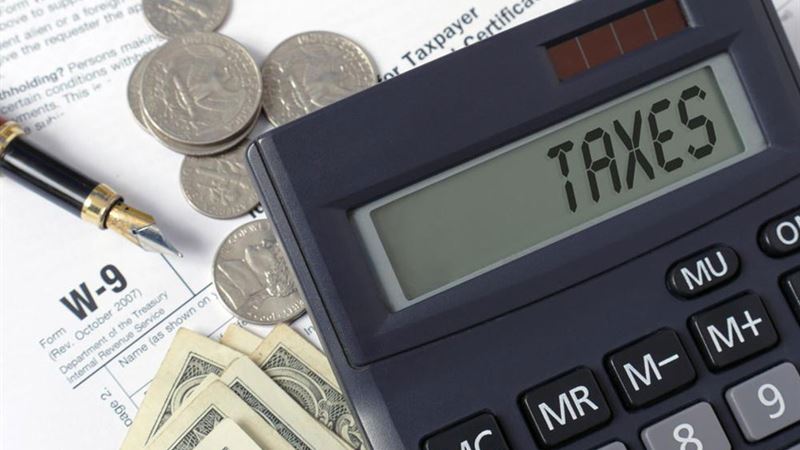
Understanding Tax Refund Schedules for Extensions and Amended Returns:
Whether you've filed your taxes early, requested an extension, or submitted an amended return, the refund timeline generally remains consistent. However, it’s important to note that official processing schedules are primarily available for original e-filed returns. Amended tax returns, which require manual review, typically take longer—typically between 8 to 12 weeks—to process. If after this period you haven't received your amended refund, it's advisable to contact the IRS directly or check their official website for status updates. It is common for the IRS to process original returns quickly, especially if filed electronically, whereas amended returns naturally require additional processing time due to manual review procedures.
Checking Your Refund Status:
Once the IRS confirms receipt of your electronically filed tax refund, they will send you a confirmation notice via email or postal mail. To track your refund status, the most reliable method is to visit the IRS’s official "Where’s My Refund" page on their website. After e-filing, it generally takes at least three weeks for the IRS to process your return and update the refund status. If you mailed your tax return, you should allow at least three to four weeks before checking your refund status. You can also call the IRS customer service for assistance. Keep in mind that the IRS updates refund information once a week, usually on Wednesdays, so checking regularly after this update cycle is recommended to get the latest information about your refund.