
Comprehensive Guide to Choosing the Perfect Michelin Tires for Your Vehicle
Learn everything about selecting the best Michelin tires for your vehicle, including tips on size, type, performance features, and warranty essentials. This comprehensive guide helps you make informed decisions to enhance safety and driving comfort across diverse conditions, ensuring optimal performance and value for money.
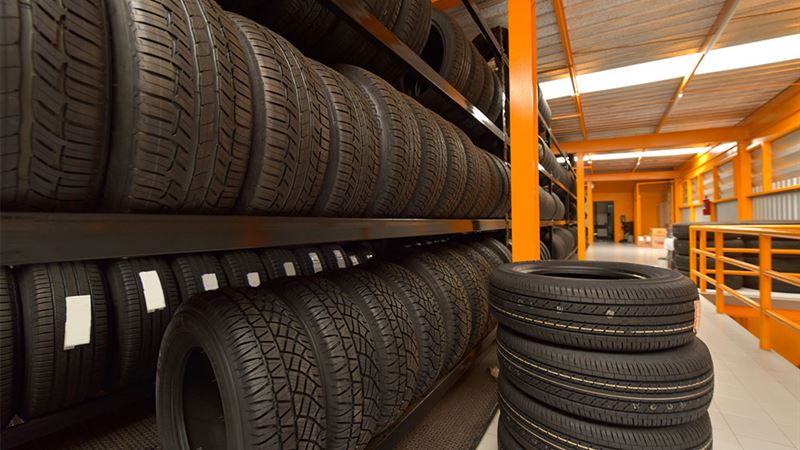
Michelin has established itself as a leading tire manufacturer renowned for quality, innovation, and reliability. If you're seeking dependable tires that offer superior performance and durability, Michelin is undoubtedly a top contender. Their extensive range of tires caters to diverse driving needs, whether you're commuting in the city, venturing off-road, or confronting challenging weather conditions. The popularity of Michelin tires is due to their cutting-edge technologies, safety features, and value for money, making them a preferred choice among drivers worldwide. When shopping for tires, especially Michelin tires, understanding the options and considerations is essential to ensure you select the perfect fit for your vehicle and driving style.
One of the main reasons Michelin remains at the forefront of the tire industry is its wide variety of tire models. Their offerings include summer tires optimized for quick handling and sportier driving, winter tires designed for icy and snowy conditions, all-season tires suited for year-round use, and specialized tires for trucks, SUVs, and high-performance vehicles. The diversity and innovation in Michelin's product line make it crucial for consumers to educate themselves about the specific features and benefits of each type, so their purchase aligns with their driving requirements.
When choosing the ideal Michelin tires, the first step is determining the right size for your vehicle. Proper tire size is critical for safety, efficiency, and vehicle performance. The most reliable method to find the correct size is consulting your vehicle's owner's manual. If the manual isn't available, look for the tire information placard typically located on the driver’s side door jamb, inside the fuel hatch, or under the glove compartment. These locations usually display the tire size, which you need to match when purchasing new tires. Ensuring precision in size prevents issues like poor fuel economy, uneven tire wear, and compromised safety.
Beyond size, it is equally important to understand what type of Michelin tire suits your driving environment. Think about the typical conditions you encounter—urban streets, rural roads, off-road terrains, wet or snowy weather—and the performance you desire. For instance, if you frequently drive in rainy conditions, look for tires with superior wet traction technology. If winters are severe in your area, prioritize Michelin winter tires designed to provide grip on icy surfaces. Manufacturers also offer models tailored for enhanced cornering, low rolling resistance, or noise reduction, according to your preferences. Selecting the right tire type ensures optimal safety and performance.
When making your purchase, always request the manufacturer’s warranty and registration card from your dealer. These documents contain essential information on proper tire maintenance, safety precautions, and warranty coverage. Proper documentation not only provides guidance on tire care but also simplifies the process of warranty claims or replacements if defects or damages occur. Reputable dealers ensure their clients receive these documents along with their purchase, contributing to a hassle-free ownership experience. Moreover, purchasing from authorized dealers guarantees that you are getting genuine Michelin products at competitive prices.
Investing in quality Michelins, combined with proper maintenance—such as regular tire rotations, pressure checks, and alignment—can significantly extend tire lifespan and enhance vehicle safety. Michelin’s technological innovations, such as their EverGrip, Michelin Total Performance, and Green-X lines, offer additional benefits like increased lifespan, improved fuel efficiency, and reduced environmental impact. Being aware of these features aids in making an informed decision that aligns with your budget and expectations. Ultimately, choosing the right Michelin tires involves understanding your driving needs, vehicle specifications, and the advantages offered by various Michelin models to ensure a safe, comfortable, and economical driving experience.