
Comprehensive Guide to Accessing and Understanding Birth Certificates
This comprehensive guide explains how to access and verify birth certificates online securely. Learn the steps to locate official portals, provide accurate information, and understand the importance of timely registration. Discover which documents are needed, benefits of holding a birth certificate, and FAQs to help navigate the process smoothly, ensuring legal recognition and access to vital services.
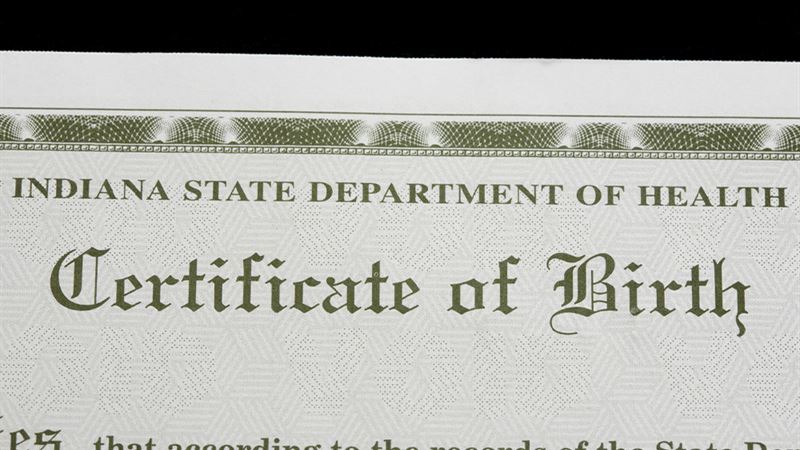
Step 1: Identifying Official Resources
The first step in obtaining or verifying a birth certificate is locating the official online portals of your local government or municipal authorities. Most regions now provide dedicated websites that facilitate easy access to vital records, including birth certificates. These portals are designed to serve residents efficiently by offering various online services, including birth certificate verification, requests, and downloads. When searching, ensure you are visiting the official government website to avoid fraudulent or unofficial sources. Look for links related to civil registration, vital records, or birth and death certificates. Once you access the relevant portal, familiarize yourself with the options available, such as searching records, filling application forms, or scheduling appointments if needed.
Step 2: Navigating the Online System
After accessing the official portal, locate the section dedicated to birth records or birth certificates. Many government websites categorize their services clearly, often under headings like "Vital Records," "Birth Registration," or "Certificates & Documentation." Click on the appropriate link, which may lead to a search interface or application portal. Some regions offer a dedicated online portal for digitized birth records, whereas others might redirect you to external service providers authorized by regulatory authorities. In some cases, you'll need to create an account or log in to access personal records. Prior to proceeding, ensure you have all necessary information at hand for a seamless experience.
Step 3: Providing Accurate Personal Details
Once you have located the online application or search portal, you'll be prompted to enter specific personal information. Accurate data entry is crucial to retrieving the correct records. Typical required fields include full name, date of birth, place of birth, and the names of parents, especially the mother’s name. Additional details such as gender, nationality, or registration number might also be requested. Double-check the entered information for accuracy to prevent errors or delays. In cases where multiple records match your search criteria, the system might ask for further identifiers or offer options to narrow down results.
Step 4: Retrieving and Printing the Birth Certificate
After submitting the required details, the system will verify the information against official records. If all details match, you'll be granted access to view the certificate online or the option to download and print a certified copy. Many systems enable users to save digital versions directly to their devices or print them for official purposes. It’s recommended to verify the information thoroughly to ensure completeness and correctness before printing. If discrepancies arise, contact the relevant local authority or records office for assistance. Remember, digital copies are often considered legally valid for most purposes, but always check specific requirements depending on your intended use.
Understanding Digital Records and Their Limitations
While online platforms provide convenient access to birth records, not all historical or paper-based records are digitized. Often, only records verified and entered into the digital system by official authorities are accessible online. For older records or records not available electronically, you might need to visit the relevant registry office in person or request official paper copies. Additionally, online systems may require authorization or proof of identity to protect privacy and security.
Documents Needed to Obtain a Birth Certificate
To apply for an official birth certificate, certain documents are typically required to verify identity and parental information. These include:
- Copies of the birth certificates of both parents
- Marriage certificate of the parents
- Evidence of the child's birth (hospital or birthplace declaration)
- Parental identity proof such as passports, national IDs, or driver's licenses
When and How to Register a Birth
Timely registration of a child's birth is essential for establishing legal identity. Many jurisdictions require parents or guardians to report the birth within a specified period, often within 21 days of birth. This process involves submitting a birth notification or formal application to the local registrar, accompanied by necessary documentation. Failure to register within the time frame may result in late fees, penalties, or additional verification requirements. In cases of delayed registration beyond one year, affidavits signed by parents and verified by magistrates may be necessary for the official recording of birth details.
The Significance of a Birth Certificate
Having a valid birth certificate offers numerous legal and administrative benefits, including:
- Proof of identity and age
- Eligibility to participate in elections and voting
- Access to education, healthcare, and social benefits
- Application for passports for international travel
- Legal proof for employment, marriage, or other civil processes
- Supporting immigration procedures, such as green card applications
- Requesting certified copies of official documents like driver’s licenses, marriage certificates, and voter IDs
Frequently Asked Questions (FAQs)
Q1: Can I obtain a birth certificate if my birth was not registered?
A1: If the birth was not reported or registered within the prescribed time, a "Non-Availability of Birth Certificate" document can be issued, indicating that the records are not available officially.
Q2: What is a long or detailed birth certificate?
A2: A "long birth certificate" includes comprehensive details such as legal signatures from medical personnel, the nationalities of the parents, and precise date and place of birth, providing a complete record of the individual's birth.
Q3: How can I search for birth records online?
A3: Online searches can be conducted using official government portals, leveraging data from census records, hospital records, or other public documents. Narrow your search by considering the child's age, location of birth, and surrounding context, extending the search period if necessary.
Conclusion
Birth registration and certificates form the foundation of personal legal identity. Accessing these records through official online portals ensures authenticity, convenience, and security. Whether you need to verify your birth details or request an official copy, understanding the process and required documentation is vital. Ultimately, a birth certificate is not only a legal document but also a crucial element in affirming your rights and participation in society.