
Recognizing Key Symptoms of Neuropathy You Shouldn't Overlook
Neuropathy presents with various symptoms affecting muscles, organs, and autonomic functions. Awareness of early signs such as weakness, digestive issues, and abnormal sweating is vital for early diagnosis. Consulting a specialist promptly helps prevent complications and improves treatment outcomes. This guide highlights key symptoms to watch for and emphasizes the importance of timely medical attention to manage this nerve condition effectively.
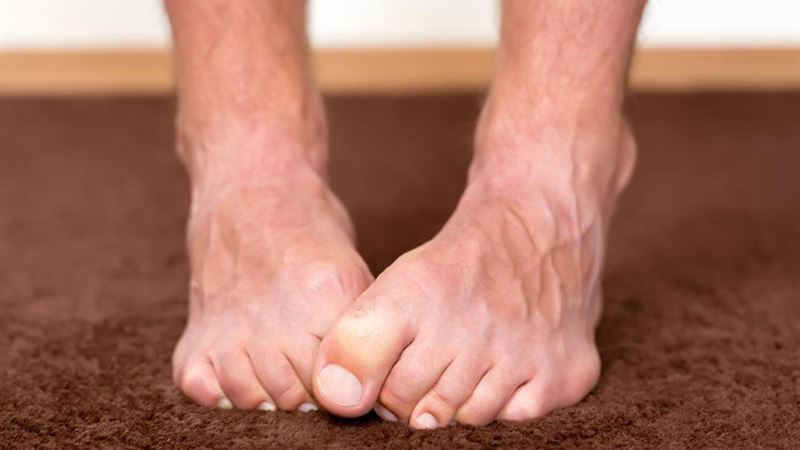
- Muscle control and weakness: One of the hallmark signs of nerve damage is difficulty controlling muscles. Patients might notice weakness in specific muscle groups, making movements slow or uncoordinated. Tasks that were once effortless, such as buttoning a shirt, can become challenging. Muscle cramps, twitching, or fasciculations are also common indicators. In severe cases, nerve damage can cause sudden falls due to loss of balance or muscle weakness, increasing the risk of injuries.
- Involvement of various organs: Neuropathy does not only affect limbs but can extend its reach to vital organs, producing diverse effects that merit attention. These include:
- Digestive issues: Disruption of the nerves controlling the gastrointestinal system can lead to symptoms such as indigestion, bloating, constipation, and difficulty swallowing. Some individuals report persistent heartburn or a sensation of fullness despite not eating heavily, owing to delayed gastric emptying caused by nerve impairment.
- Cardiovascular symptoms: Damage to nerves affecting the heart’s regulation can cause symptoms like dizziness upon standing, irregular heartbeat, or a sensation of weakness and fatigue. These signs suggest faulty autonomic control, which sometimes mandates urgent medical intervention.
- Bladder dysfunction: One of the most noticeable urinary symptoms associated with peripheral neuropathy is incontinence or urine leakage. Nerve damage interferes with the bladder's ability to hold or empty urine normally, leading to either retention or urgency.
- Sexual health concerns: Neuropathy can impair nerve signals involved in sexual function. Men may experience erectile dysfunction, while women might encounter vaginal dryness or reduced sensation, further affecting intimate relationships.
- Sympathetic overactivity and sweating: Excessive sweating, even in cool environments or during rest, is a common yet often overlooked symptom. This autonomic dysfunction indicates nerve damage impairing the body’s ability to regulate temperature and sweat appropriately.
If you notice any combination of these symptoms, seeking prompt consultation with a neurologist or specialist in nerve disorders is essential. Early diagnosis can lead to more effective treatment options, prevent progression, and reduce the likelihood of permanent damage. Recognizing the multifaceted manifestations of neuropathy ensures timely medical intervention and a better quality of life for affected individuals.