
The Comprehensive Guide to Adjustable Beds: Benefits, Types, and Modern Comfort Solutions
Discover the extensive benefits of adjustable beds, from medical support to enhanced sleep quality. Learn about different types, suitable mattresses, and features that make these beds a modern comfort essential for healthcare and home use. Whether for medical needs or everyday relaxation, adjustable beds provide customizable comfort and support for all ages.
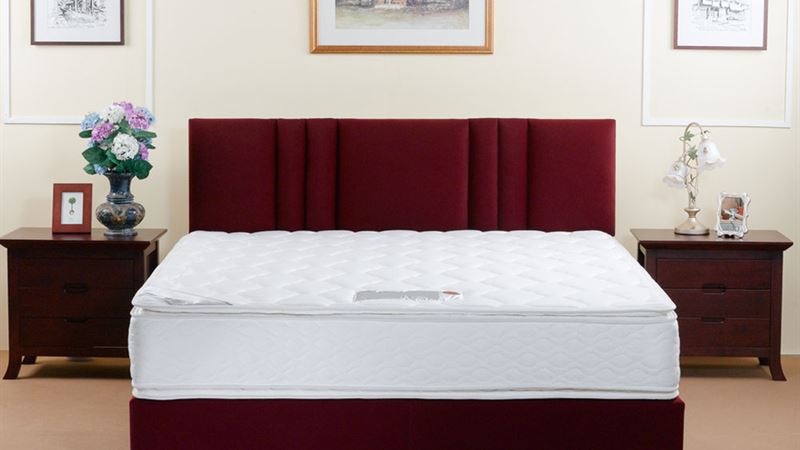
- Adjustable beds have become increasingly popular in healthcare settings such as hospitals, rehabilitation centers, and assisted living facilities due to their versatility and convenience. These beds are designed to provide optimal support and comfort, making them essential for patients with mobility issues, chronic pain, or other medical needs.
Modern adjustable beds are engineered with robust, hygienic materials that facilitate easy cleaning and maintenance, which is particularly crucial in clinical environments. The beds used in hospitals and clinics are typically built to withstand frequent use, featuring durable frames and easy-to-operate mechanisms. Conversely, adjustable beds for home use are often built on stationary platforms and come in various sizes—including twin, full, queen, and king—allowing consumers to choose the perfect fit for their bedroom space and personal preferences.
One of the key features of adjustable beds is their ability to modify positions with ease, facilitated by sophisticated motor systems. These beds are highly beneficial for individuals suffering from various medical conditions such as spinal cord issues, shoulder and neck pain, arthritis, and acid reflux. Elevating the head or legs can significantly alleviate discomfort and improve quality of life.
- Growing popularity among consumers has led many people to opt for adjustable beds for their homes, especially as traditional bedding can become cumbersome or difficult to get in and out of. This is especially true for seniors and individuals with mobility challenges who seek enhanced comfort and independence during sleep.
Adjustable beds are also recognized for their potential to improve sleep quality. They allow users to customize their sleeping position, reducing pressure points and promoting relaxation. This tailored positioning helps those with sleep disorders or discomfort find a more restful and restorative sleep experience.
The core operation of modern adjustable beds involves two primary types of motors: AC (Alternating Current) and DC (Direct Current). AC motors are known for their durability and power but are often more expensive and noisier. DC motors, on the other hand, tend to operate more quietly and are energy-efficient, making them ideal for home environments where noise levels matter.
Mattresses compatible with adjustable beds play a critical role in overall comfort. Traditional coil spring mattresses remain a popular choice due to their availability and affordability. They adapt well to the contours of adjustable bases, offering enhanced support and comfort. However, the quality of coil mattresses varies widely, so choosing a high-quality option is essential for long-term satisfaction.
In recent years, innovative foam technologies have gained popularity, particularly heat-sensitive foams that adapt to body temperature and shape. These foams not only increase comfort but also provide therapeutic benefits such as pressure relief and contouring. The two main types of heat-sensitive foam compatible with adjustable beds are latex-based foam and memory foam. Latex offers elasticity and natural resistance, while memory foam provides excellent body contouring and pressure reduction, significantly enhancing sleep quality.
Air mattresses are also suitable for use with adjustable bases. Modern air beds come equipped with remote controls that enable users to adjust firmness levels easily, enhancing comfort and personal preference. These beds often feature multiple settings, allowing users to customize firmness for different body zones or sleep positions.
Today, adjustable beds are becoming a staple in modern homes, not only for medical needs but also for everyday comfort and convenience. They are especially popular among children, providing a fun and adaptable sleeping environment. Many adjustable beds also come with backup power options like batteries, ensuring continuous operation during power outages.
Choosing the right adjustable bed depends largely on individual preferences and specific needs. Whether prioritizing quiet operation, compatibility with certain mattress types, or additional features like remote control or battery backup, consumers have a wide array of options. Investing in an adjustable bed can significantly enhance sleep quality, promote better health outcomes, and increase overall comfort and mobility.
In conclusion, adjustable beds offer a versatile and functional solution for those seeking personalized sleep experiences, support for medical conditions, or simply a more comfortable sleeping environment. As technology continues to improve and accessibility expands, these beds are poised to become an essential component of modern living and healthcare.