
Recognizing Hemophilia Signs: When to Consult a Healthcare Professional for Prompt Diagnosis
Hemophilia is a hereditary bleeding disorder where symptoms vary from mild to severe, including spontaneous bleeding and joint problems. Recognizing early signs, such as unexplained bruising or prolonged bleeding, is essential for prompt treatment. Urgent symptoms like internal bleeding, joint swelling, or severe headaches require immediate medical attention. If you have a family history of hemophilia or notice symptoms in your child, consult a healthcare professional promptly to manage the condition effectively. Early diagnosis improves quality of life and prevents serious complications.
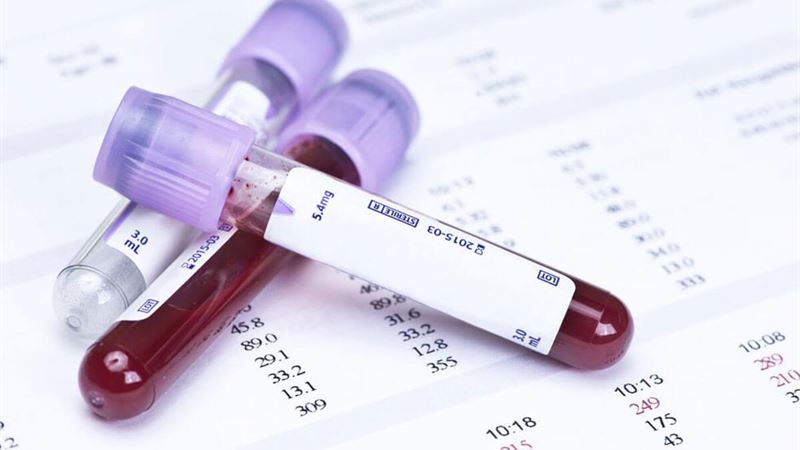
Understanding Hemophilia and Its Symptoms
Hemophilia is a hereditary bleeding disorder characterized by the body's inability to form proper blood clots. The severity of symptoms ranges from mild to severe, influenced by the level of clotting factor deficiency present. Individuals with mild hemophilia might only experience bleeding episodes after significant trauma or surgical procedures, while those with moderate to severe forms can encounter spontaneous bleeding episodes without any apparent cause.
People affected by moderate hemophilia often have bleeding episodes approximately once a month, which can include prolonged bleeding after minor injuries or dental procedures. Those with severe hemophilia may bleed excessively multiple times weekly, often spontaneously, without any identifiable triggers. This frequent bleeding can lead to serious health issues such as joint damage, muscle hematomas, and other internal complications.
Typical symptoms associated with hemophilia include the appearance of large, deep bruises appearing easily on the skin anywhere on the body, as well as persistent bleeding from cuts that seem minor to others. Some signs are more severe, like bleeding that persists beyond normal durations or occurs after activities like brushing teeth or even vaccination shots. Bleeding may be visible or internal; common internal bleeding signs include blood in urine or stool (hematuria and hematochezia), nosebleeds that are difficult to stop, and unexplained swelling or pain in joints or muscles.
Infants with hemophilia often do not express or recognize their symptoms in a typical way. Due to their inability to communicate discomfort, they may become irritable or fussy without any apparent reason, which can be an early sign of internal bleeding or other complications. Recognizing these symptoms early in infants is essential for timely intervention and management.
When to Seek Immediate Medical Attention
Most children develop their first bleeding episodes before they turn 2 years old. Emergency situations are particularly critical if prolonged bleeding occurs following procedures like circumcision. Parents should be vigilant for signs of easy bruising, abnormal bleeding, or persistent bleeding after minor injuries. Prompt medical attention can prevent severe complications and facilitate early diagnosis.
It’s vital to consult a healthcare professional if you notice your child bruising readily or if bleeding doesn’t stop after minor injuries. If you are pregnant or planning to conceive, discussing your family medical history of bleeding disorders with your doctor is strongly recommended. Genetic testing can determine if you are a carrier of hemophilia and assess the risk of passing it on to your fetus, enabling better planning and management during pregnancy.
Critical Symptoms Requiring Urgent Medical Care
Severe hemophilia demands immediate medical attention because certain symptoms can threaten life and require urgent intervention. Be alert to the following emergency signs:
- Uncontrolled bleeding after injury. For those with severe hemophilia, even minor injuries can escalate quickly and require urgent care.
- Sudden warmth, swelling, and persistent pain in large joints such as hips, knees, elbows, or shoulders, indicating internal bleeding into joints.
- Intense headaches that last for an extended period, which could be a sign of intracranial hemorrhage.
- Repeated vomiting, fatigue, neck stiffness, or pain, often pointing to internal bleeding or neurological issues.
- Signs of bleeding within the brain, such as double vision, seizures, changes in consciousness, or behavioral shifts, necessitate immediate neurological evaluation.
Although bleeding can often be managed effectively through treatment, internal bleeding poses severe risks. Recognizing early symptoms and seeking urgent medical help can save lives and significantly improve quality of life. Proper medical management and awareness are key in controlling hemophilia’s impact.