
Transitioning to Debit Cards When Dealing with Poor Credit: A Comprehensive Guide
Discover how switching to debit cards can improve financial management for those with bad credit. This comprehensive guide offers practical steps, benefits, and tips for a smooth transition, helping you control expenses, avoid debt, and build better financial habits for the future.
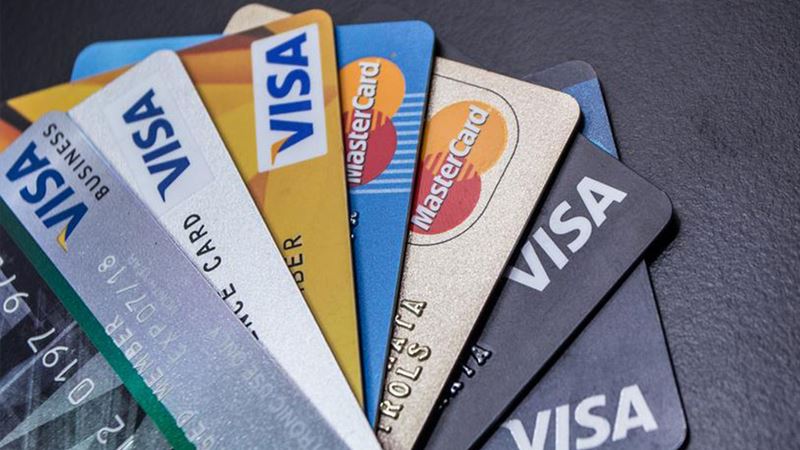
For individuals with bad credit, credit cards might seem risky or unattainable. Using debit cards sidesteps many of these concerns by only allowing you to spend money that is already available in your account. This prevents overspending and helps you manage your budget more effectively. Unlike credit cards, which provide a line of credit that can lead to debt if not carefully managed, debit cards keep your spending in check by limiting your transactions to your existing account balance.
- Budget-friendly spending: Since you can only spend what you have, it encourages disciplined financial habits.
- No interest charges: Unlike credit cards, debit cards do not accrue interest, saving you money.
- Easy online and in-store purchases: Debit cards can be used for a variety of transactions, including online shopping, bill payments, and travel bookings.
- Building credit history: Although debit cards don’t directly improve your credit score, responsible usage can pave the way for securing credit products later.
- Enhanced security features: Many debit cards now offer features like fraud protection and zero-liability policies, safeguarding your finances.
Switching from credit to debit cards is straightforward, but it requires some planning. Here are steps to ensure a smooth transition:
- Assess your current financial situation: Understand your income, expenses, and outstanding debts to determine your budget cap.
- Close or curb credit card utilization: If possible, reduce reliance on credit cards by gradually phasing them out.
- Open a debit account: Choose a bank or financial institution that offers low fees and convenient access.
- Acquire a debit card: Once your account is set up, request a debit card linked to your account.
- Update your recurring payments: Switch automatic bill payments and subscriptions from credit to debit to prevent missed payments.
- Practice responsible usage: Keep track of your expenses, avoid overdraft fees, and always stay within your balance.
To maximize the benefits of debit cards, consider the following tips:
- Set up account alerts: Receive notifications for transactions to monitor your spending.
- Use budgeting apps: Track your expenses and set limits to stay within your financial goals.
- Opt for rewards programs: Some debit cards offer cashback or discounts on purchases, enhancing their value.
- Secure your card information: Protect your PIN and be vigilant against phishing scams.
While switching to debit cards is a practical solution in the short term, improving your credit score remains essential. Establish a positive payment history by paying existing bills on time, reducing outstanding debts, and avoiding new credit inquiries unless absolutely necessary. After demonstrating responsible financial behavior, consider applying for secured credit cards or credit-builder loans, which can help establish or rebuild your credit profile over time. Remember, patience and consistency are key to long-term financial health.
For individuals facing credit challenges, transitioning to debit cards presents a smart, responsible way to manage finances without risking additional debt or high interest. By adopting disciplined spending habits and leveraging the security features of modern debit cards, you can regain control of your financial future. This approach not only helps cover daily expenses and online transactions but also sets a foundation for improved credit prospects in the coming months and years. Take the first step today toward financial stability with the right debit card strategy tailored to your needs.