
Effective Strategies for Storing Your Luggage at Home to Ensure Longevity and Safety
Learn comprehensive and effective methods for storing your luggage at home to preserve its quality and prevent damage. From cleaning and packing to choosing the perfect storage spot, these tips help you extend the lifespan of your travel bags while keeping them organized and safe. Discover practical advice on maintaining your luggage, including environment considerations and safety precautions, to ensure your bags are always ready for your next trip.
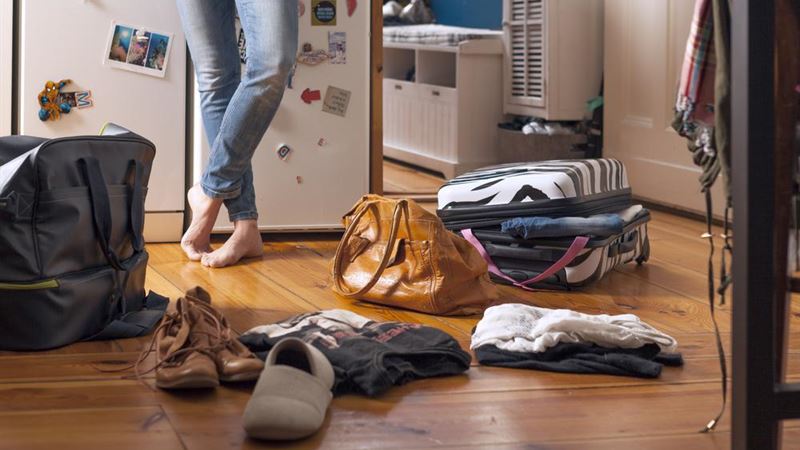
Proper luggage storage at home is essential to maintain the condition and extend the lifespan of your travel bags. Over time, improper storage can lead to damages such as mold, fading, or mechanical issues. Whether you're a frequent traveler or occasional holidaymaker, knowing how to store your luggage correctly can save you money and time in the long run. This comprehensive guide will walk you through detailed steps and useful tips to store your luggage efficiently, safely, and conveniently within your home environment.
Cleaning and Prepping Your Luggage: Before considering storage, it’s crucial to thoroughly clean your luggage to remove dirt, dust, and potential mold or mildew. Use a damp cloth loaded with mild soap or cleaning solution to wipe down both interior and exterior surfaces. For fabric soft-sided bags, avoid harsh chemicals; instead, opt for gentle cleaning agents compatible with your luggage material. If your luggage has accumulated grime or odors, consider using a fabric-safe disinfectant or odor eliminator. Make sure to allow the luggage to dry completely in a well-ventilated area before storing it away. Moisture trapped inside can accelerate deterioration or cause mold growth, so patience is important here. Never run soft bags through washing machines with bleach or heavy detergents, as this can weaken the fabric and damage internal structures.
Locking Mechanisms and Compactness: When preparing your luggage for storage, check the lock status of your bags. It's best to keep zippers and locks secured but unlocked to prevent locking mechanisms from seizing over time. Store your keys safely inside the luggage or in an easily accessible but secure place, so you won’t lose them or forget their location. To optimize space, make your luggage as compact as possible. Close all expandable zippers, fold collapsible sections, and tuck in handles or straps to reduce bulk. This not only helps in saving storage space but also minimizes the risk of damage caused by crushing or stretching.
Choosing the Ideal Storage Location: The environment where you store your luggage significantly impacts its condition. Select a cool, dry, and well-ventilated area that prevents excess humidity and condensation. Avoid basements, attics, or garages with poor ventilation where moisture and mildew can develop. Keep your luggage away from direct sunlight, as prolonged exposure can cause fading, cracking, or deterioration of finishes and fabrics. An ideal storage spot could be a closet or a dedicated storage room with controlled temperature and humidity levels. Consider using moisture absorbers like silica gel packs or charcoal bags inside your luggage to absorb residual moisture and keep it fresh.
Filling and Shaping Your Luggage: Do not leave your luggage empty during storage, as this can lead to warping or misshaping. Fill your bags with soft materials such as blankets, seasonal clothing, or old textiles to maintain their shape and provide extra cushioning. In the absence of items to fill, crumpled packing paper can help prevent deformation and keep the bags structured. This technique also maximizes space efficiency by making the luggage easier to stack or store in tight spots. Be sure to pack items carefully, ensuring there are no sharp objects or items that could puncture or damage the fabric during storage.
Proper Placement and Safety Measures: Once your luggage is thoroughly cleaned, filled, and prepared, place it securely in your chosen storage space. Position heavy or larger suitcases on high shelves or in corners where they are less likely to be knocked over. Use shelves or storage containers that can support weight without sagging. To guarantee safety, especially if you have children or pets, keep your luggage behind locked doors or in cabinets. This not only preserves the physical condition of your luggage but also prevents accidental damage or tampering. Regularly inspect stored luggage for signs of pests, mold, or damage, and address these issues promptly to extend their life.
Incorporating these detailed strategies guarantees that your luggage remains in excellent condition, ready for use whenever needed. Proper storage not only helps maintain the aesthetic appeal and functionality of your travel gear but also saves you money on repairs or replacements. Taking the time to store your luggage correctly ensures longevity and peace of mind, ensuring your belongings are safe, clean, and well-maintained for many journeys to come.