
Selecting the Ideal Food for Dogs with Sensitive Digestion: A Complete Guide
Discover comprehensive strategies for choosing the best dog food for sensitive stomachs. This guide covers symptoms, elimination diets, common allergens, and top recommended products to help your pet feel healthier and comfortable. Expert tips and advice ensure your dog's digestion issues are effectively managed and their overall well-being is improved.
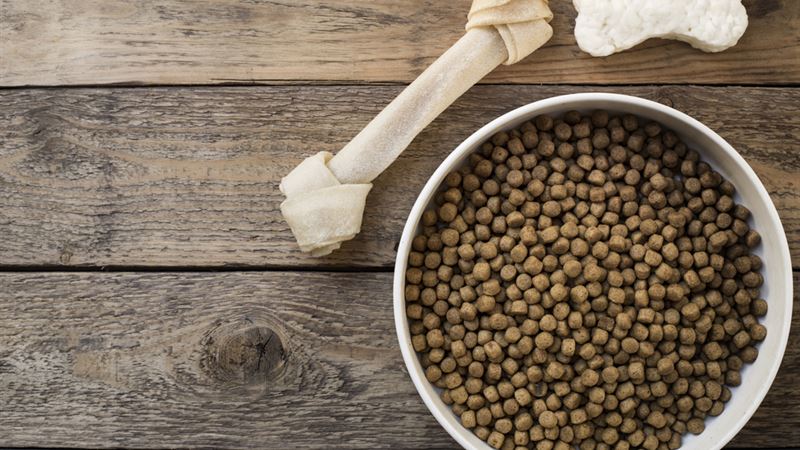
Understanding Canine Sensitive Stomachs
Dogs are renowned for their hearty appetites and seemingly insatiable hunger. It’s common to assume that such voracious eaters possess robust digestive systems capable of handling nearly anything. However, reality often tells a different story. Many dogs, regardless of their size or breed, can develop digestive issues that manifest as discomfort or illness. This condition, often termed a sensitive stomach, can arise from various factors including dietary changes, food allergies, infections, or underlying health issues. Recognizing and managing a dog's sensitive stomach is vital for their overall well-being and longevity.
What Does a Sensitive Stomach Entail?
A sensitive stomach in dogs refers to a digestive system that reacts adversely to certain foods, ingredients, or external factors. Dogs with such sensitivities might display symptoms like vomiting, diarrhea, gas, bloating, or general discomfort after meals. These reactions can be acute or chronic, often leading veterinarians to recommend specific dietary modifications. Ensuring that a dog’s diet aligns with their digestive capacity helps prevent recurrent issues and promotes healthier digestion.
Approaches to Managing a Sensitive Stomach
When dealing with a canine’s sensitive stomach, a cautious and thoughtful approach to feeding becomes imperative. Consulting a veterinarian is always recommended before making significant dietary changes, as they can identify potential underlying causes and provide tailored advice. Additionally, pet owners should observe their dogs for specific symptoms to better understand their condition. Recognizing signs such as vomiting, diarrhea, or excessive flatulence after meals can help in pinpointing food sensitivities or allergies.
Recognizing Symptoms of Digestive Sensitivities
Dogs suffering from digestive issues often exhibit clear indicators of distress that are relatively easy to observe. These include persistent vomiting, frequent diarrhea, lethargy, discomfort, rashes, and sometimes fever. Timing is essential; if these symptoms occur within a short period after eating (typically within 24 hours), it suggests a direct link to the recent food intake. Such signs warrant a detailed investigation to identify the offending ingredients or triggers that might be upsetting your pet’s stomach.
Once you suspect that your dog’s food might be causing their discomfort, the next step is selecting a diet proven to be gentle on sensitive stomachs. One effective method is the elimination diet, which systematically removes potential allergens until your dog’s symptoms subside.
The Role of Elimination Diets in Managing Food Sensitivities
The elimination diet involves removing suspected problematic ingredients from your dog’s diet one at a time. This process helps identify which specific components may be triggering adverse reactions. Typically, it involves replacing your dog’s current food with a novel protein or carbohydrate source and monitoring their response over weeks. This approach is recommended by veterinarians as it is non-invasive and often highly effective.
Veterinarians generally advise starting with the elimination of the most common allergens, ensuring that problematic ingredients are ruled out methodically. The aim is to gradually narrow down the list of ingredients to those that are well tolerated, leading to a more suitable and soothing diet for your pet.
Common Allergens Found in Dog Food
Understanding which ingredients may cause sensitivities is crucial. The most frequent allergens in commercial dog food include:
- Beef
- Dairy products
- Eggs
- Wheat
- Soy
- Chicken
- Corn
- Lamb
Once these ingredients are tested and eliminated, you can move toward selecting foods that are specifically formulated for sensitive digestion, offering your dog a safer, more comfortable nutritional profile.
Top Dog Foods for Dogs with Sensitive Stomachs
There is a diverse selection of premium dog foods designed explicitly for dogs with sensitive digestion. These products focus on limited ingredients, high digestibility, and hypoallergenic formulations. Some of the top options in this category include:
- Taste of the Wild Lowland Creek, Canine Formula
- Hill's Science Diet Adult Sensitive Stomach & Skin Dry Dog Food
- Natural Balance Vegetarian Formula Dry Dog Food
- Wellness Simple Natural Canned Limited Ingredient Dog Food
- BLUE Basics Limited-Ingredient Formula Adult Dry Dog Food
- Nature's Variety Instinct Raw Boost Grain-Free Recipe
- Solid Gold Holistic Small & Toy Breed Dog Food, Both Dry and Wet
- Purina Pro Plan FOCUS Sensitive Skin & Stomach, Salmon & Rice Formula
If these options do not match your pet’s specific needs, consulting with a veterinarian can help identify the most suitable dietary plan for your dog.
Is Your Dog in Need of the Best Food for Sensitive Digestion?
Determining whether your dog requires specialized food depends on the severity of their symptoms and the advice of your veterinarian. If allergies are confirmed or symptoms persist despite dietary adjustments, transitioning to a specialized formula for sensitive stomachs might be the best course of action. Persistent discomfort impacts your pet’s quality of life, and a tailored diet can significantly alleviate their symptoms, supporting their overall health and happiness.
In conclusion, choosing the right dog food for a sensitive stomach involves careful observation, elimination diets, understanding common allergens, and selecting high-quality, proven products. Regular veterinary guidance ensures you make informed decisions that prioritize your dog’s health, longevity, and comfort. Addressing food sensitivities proactively can lead to a happier, healthier life for your furry friend.