
Comprehensive Strategies to Manage Post-Menopausal Vaginal Dryness and Discomfort
This comprehensive guide offers detailed insights into managing post-menopausal vaginal dryness through lifestyle changes, medical treatments, and natural remedies. It emphasizes the importance of an active lifestyle, open communication, and personalized healthcare strategies to maintain vaginal health and comfort during menopause. With current advancements and holistic approaches, women can effectively address symptoms, ensuring a better quality of life post-menopause.
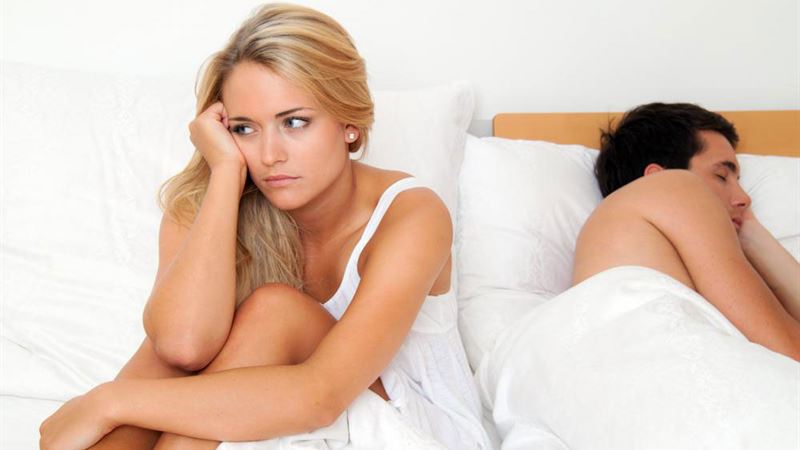
Post-menopausal vaginal dryness is a common concern faced by many women during the transition into menopause. While some women experience minimal symptoms, others may face significant discomfort affecting their quality of life. Understanding the causes, symptoms, and effective management strategies is crucial for ensuring health and well-being during this stage. This detailed guide explores various approaches including lifestyle modifications, medical treatments, and natural remedies to address vaginal dryness and related issues.
Understanding Post-Menopausal Vaginal Dryness
Vaginal dryness after menopause primarily results from declining estrogen levels. Estrogen plays an essential role in maintaining the thickness, elasticity, and lubrication of vaginal tissues. As estrogen decreases, the vaginal walls become thinner, less elastic, and less capable of producing natural lubrication. This transition can lead to discomfort, irritation, and increased susceptibility to infections.
The Physiological Impact of Menopause on Vaginal Health
The reduction in estrogen influences the entire urogenital system. Symptoms associated with vaginal atrophy—including dryness, burning sensation during intimacy or urination, recurrent infections, and slight bleeding—are common. These symptoms can significantly impair sexual activity and overall confidence, making effective management vital for maintaining a good quality of life.
Common Causes of Post-Menopausal Vaginal Atrophy
- Natural decline of estrogen after menopause
- Medical interventions such as bilateral oophorectomy (removal of ovaries)
- Pelvic radiation therapy or chemotherapy
- Surgical removal of reproductive organs
- Hormonal treatments for other conditions
- Unhealthy lifestyle choices such as smoking
- Chronic health issues affecting hormonal balance
Symptoms to Watch For
- Persistent vaginal dryness and soreness
- Discomfort or pain during sexual intercourse (dyspareunia)
- Burning or itching sensations in the vaginal area
- Recurrent urinary tract infections
- Unexpected vaginal bleeding or spotting
- Increased urinary urgency or incontinence
- Altered vaginal pH leading to infections
Importance of Maintaining an Active and Healthy Lifestyle
Engaging in regular physical activity and maintaining a balanced diet are essential components of managing menopausal symptoms effectively. Exercise helps improve blood circulation, preserve tissue elasticity, and boost overall vitality. Though sexual activity does not directly increase estrogen levels, it promotes increased blood flow to the pelvic region, supporting vaginal tissue health and lubrication.
Natural and Lifestyle-Based Solutions
Adopting healthy habits plays a pivotal role in alleviating vaginal dryness. Incorporating fiber-rich foods, staying well-hydrated, quitting smoking, and avoiding irritants like harsh soaps or douches can reduce symptom severity. Additionally, pelvic floor exercises such as Kegels strengthen the muscles around the vagina and urethra, improving urinary control and tissue resilience.
Medical and Therapeutic Options
- Vaginal Moisturizers and Lubricants: Over-the-counter products provide immediate relief by simulating natural moisture and reducing discomfort during intimacy.
- Hormone Replacement Therapy (HRT): Local estrogen creams, tablets, or rings delivered directly to the vaginal area can significantly restore tissue health without systemic effects. In some cases, systemic HRT may be considered after assessing risks and benefits.
- Non-hormonal Medications: Certain topical agents and systemic medications are available for women unable to use hormone therapy.
- Alternative Treatments: Phytoestrogen-rich foods, herbal supplements, and acupuncture are explored by some women, although scientific evidence varies.
Recent Advances and Research
Emerging research suggests that lifestyle modifications, especially regular exercise, can reduce the severity of menopausal symptoms, including vaginal dryness. Women who engage in consistent physical activity report better tissue health, improved mood, and higher overall well-being. Ongoing studies continue to explore innovative therapies, such as laser treatments and regenerative medicine, to enhance vaginal tissue restoration.
Psychosocial Aspects and Partner Support
A supportive environment and open communication with partners are vital. Understanding and empathy can alleviate emotional distress associated with menopausal symptoms. Consulting healthcare professionals for tailored advice ensures women can navigate this life stage confidently and comfortably.
Summary: Embrace a Holistic Approach
Managing post-menopausal vaginal dryness involves a combination of lifestyle adjustments, medical treatments, and emotional support. Early intervention using natural remedies and medical options can prevent complications and improve quality of life. Remember, menopause is a natural transition, and with the right strategies, women can continue to enjoy an active and fulfilling life.