
Comprehensive Guide to Selecting Effective Weight Loss Supplements
Discover a comprehensive guide on how to select effective and safe weight loss supplements. Learn about personalized needs, ingredient insights, and avoiding common pitfalls. Prioritize health with expert tips to make informed choices tailored to your weight loss journey, enhancing your results while minimizing risks.
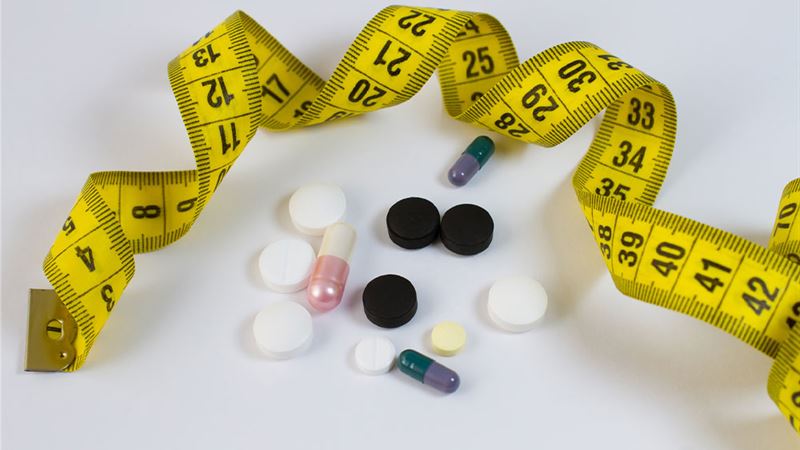
Embarking on a weight loss journey involves careful planning and thoughtful choices, especially when it comes to supplements. With countless options flooding the market, understanding which supplements truly support your goals becomes crucial. This comprehensive guide provides insights into selecting safe and effective weight loss supplements tailored to your needs, helping you navigate the confusing landscape of diet aids and ensuring you make informed decisions that prioritize your health and wellness.
When exploring weight loss supplements, it's vital to start with thorough research. Read reliable reviews from verified users rather than promotional testimonials that often aim to persuade rather than inform. Authentic feedback can reveal real-world experiences, side effects, and overall effectiveness. Avoid falling into the trap of investing in products with exaggerated claims or those lacking scientific backing, as these can be ineffective or even harmful.
Understanding Your Unique Needs and Goals
Weight loss is a highly individualized process. What works wonders for one person might not yield the same results for another. Therefore, defining your specific goals is a critical first step. Are you aiming primarily to shed excess weight, increase muscle mass, or perhaps improve overall metabolic health? Clarifying your objectives helps determine which type of supplement aligns best with your aspirations.
For instance, if fat reduction is your primary goal, look for supplements that contain ingredients proven to promote fat burning. Conversely, if muscle gain is also a priority, consider products rich in high-quality proteins and nutrients that support muscle synthesis. Tailoring your supplement choice to your targeted outcomes will enhance your chances of success and reduce the likelihood of side effects.
Financial Considerations and Budgeting
Cost is understandably a concern for many when selecting dietary supplements. The market offers a wide spectrum of products, from budget-friendly options to premium brands. Remember, price does not necessarily correlate with quality. Many affordable supplements are formulated with effective ingredients, while expensive options are marketed as premium without guaranteed better results.
Set a realistic budget based on your financial situation and research the product’s reputation. Look for reputable brands with transparent labeling and verified ingredient lists. Choosing a product within your budget ensures consistency in use, which is vital for seeing results. Also, be cautious of products that promise rapid or miraculous outcomes, which often come with inflated prices and questionable efficacy.
The Importance of Patience and Consistency
Achieving sustainable weight loss is a marathon, not a sprint. While supplements can support your efforts, they are only one piece of the puzzle. Maintaining patience and persevering through the journey are key. Consistent healthy eating, regular physical activity, and proper sleep are fundamental. Supplements may enhance these efforts but should never replace a balanced lifestyle.
Understand that visible results may take several weeks or even months, depending on individual metabolism and adherence. Developing realistic expectations helps prevent frustration and encourages a healthier outlook toward weight management.
Deciphering Labels and Ingredients
Before incorporating any supplement into your routine, scrutinize the product label carefully. Know what ingredients are included, their concentrations, and whether they suit your dietary restrictions or personal health conditions. For example, vegetarians and vegans should seek plant-based options, while individuals allergic to certain ingredients must avoid those components entirely.
Reading labels also helps identify potential allergens or substances that may cause adverse reactions. Side effects can vary based on individual susceptibilities. Consulting with a healthcare professional before starting any supplement regimen is highly recommended, especially if you are on medication or have underlying health issues.
Beware of Fads and Unproven Claims
The weight loss industry is rife with trendy products advertising quick fixes and dramatic transformations. Many of these claims are exaggerated or unsupported by scientific evidence. It’s essential to approach such products with skepticism. If a supplement promises overnight success or effortless fat loss, it's likely too good to be true.
Focus on evidence-based options endorsed by medical professionals and backed by scientific studies. Remember, sustainable weight loss results from consistent effort, balanced diet, and regular exercise—no supplement can replace these fundamental habits.
Categories of Weight Loss Supplements
- Stimulant-Based Products: These enhance metabolic rate and boost energy, often suppressing appetite. Ingredients include caffeine, green tea extract, and guarana. They are effective but may cause jitters, insomnia, or increased heart rate if overused.
- Non-Stimulant Formulations: Focused on augmenting fat metabolism and reducing water retention, common ingredients are conjugated linoleic acid (CLA), fish oils, and glucomannan. They tend to have fewer side effects but require consistent use for noticeable results.
- Appetite Suppressants: Designed to help control hunger pangs, making it easier to adhere to calorie-restricted diets. They may contain fiber, herbal extracts, or other natural compounds.
- Fat Burners: Aim to increase calorie expenditure and inhibit fat absorption in the gut. These often combine stimulant and non-stimulant ingredients for synergistic effects.
Choosing the right supplement depends on your specific goals, health status, and lifestyle. Combining supplements with healthy eating and regular activity maximizes your chances of success.
Common Supplement Components and Their Potential Effects
- Caffeine: A widely used stimulant that elevates metabolism, enhances alertness, and assists in burning calories. Excessive intake can lead to side effects such as jitteriness, anxiety, insomnia, and gastrointestinal discomfort.
- Green Tea Extract: Rich in antioxidants and catechins, it supports fat oxidation and boosts metabolic rate. Allergic reactions or caffeine sensitivity may cause adverse effects in some individuals.
- Garcinia Cambogia: Contains hydroxycitric acid that may inhibit fat storage and suppress appetite. While generally regarded as safe, consulting a healthcare provider before use is advisable.
- Raspberry Ketones: Natural compounds purported to promote fat breakdown. Current research is limited, and high doses could influence blood sugar levels, especially in diabetics.
- Glucomannan: A soluble fiber that expands in the stomach to promote fullness. Possible side effects include bloating, gas, and soft stools. Adequate water intake is essential to prevent choking or gastrointestinal issues.
For safe incorporation of weight loss supplements into your routine, always seek guidance from a licensed healthcare professional. Choosing reputable brands and avoiding unverified or sensationalized products reduces risks and supports healthier outcomes.