
Ultimate Guide to Purchasing a Classic 1969 Chevrolet Camaro
Discover comprehensive insights into purchasing a 1969 Chevrolet Camaro. This detailed guide covers engine options, condition factors, pricing, and trusted sources where you can find authentic models. Perfect for collectors and enthusiasts seeking a piece of classic American muscle car history, learn how to make an informed buying decision and ensure your investment in this legendary vehicle is sound and rewarding.
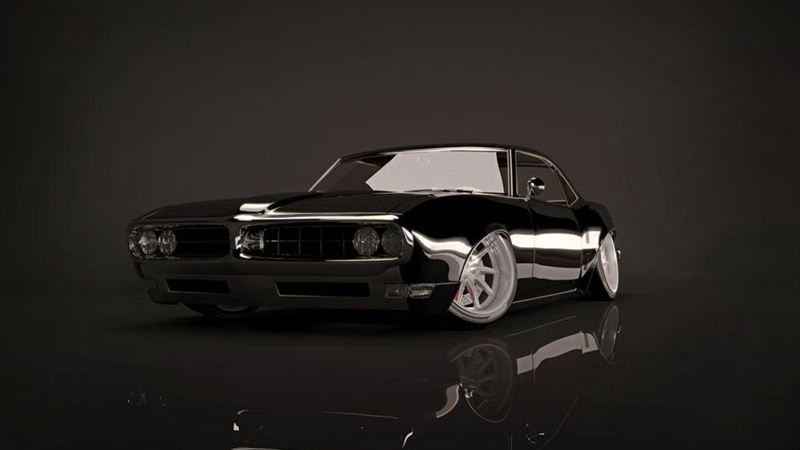
The 1969 Camaro arrived with two remarkable engine options, both built for speed and power. The first was the COPO 9561/L72 427 cubic inch engine, which featured a 7-liter V8 delivering an astonishing 425 horsepower at 5,600 rpm. This massive engine produced 460 lb-ft of torque at 4,000 rpm, making it one of the most potent muscle cars of its era. The second available engine was the COPO 9560/ZL1 427, which generated 430 horsepower at 5,200 rpm, with 450 lb-ft of torque at 4,400 rpm. These specifications exhibited the Camaro's dominance on the road and race tracks alike.
Beyond engine choices, the 1969 Camaro was offered in a variety of colors and paint schemes. Many models featured the iconic central stripe, although some enthusiasts preferred solid color options. Buyers could select between convertible and hardtop models, with interior options ranging from basic vinyl seats to plush upholstered materials, depending on preferences and budget.
Online platforms have made searching for a 1969 Camaro easier than ever. Websites like eBay, AutoTrader, Cars.com, CarGurus, and Classic Cars provide extensive listings of cars available across various locations and conditions. Whether you're hunting for an original surviving model, a fully restored classic, or a project car needing some TLC, these sites offer a wide array of options.
The price of a 1969 Camaro can vary significantly based on several factors including condition, originality, rarity, and history. You might find models priced as low as a few thousand dollars—typically project cars or those needing restoration—or as high as seventy thousand dollars for immaculate, fully restored examples. Mint-condition models, especially those with original parts and low mileage, tend to command top dollar. However, for those interested in a driver-ready vehicle or a project car, there are options available within a more affordable range.
There is also a market for certified pre-owned and dealer-sourced Camaros. Many specialty dealerships focus exclusively on vintage and classic cars, offering authenticated vehicles that have undergone thorough inspections. Purchasing from a reputable dealership can provide added peace of mind, as these cars often come with warranties and certification that attest to their authenticity and condition.
When considering buying a 1969 Camaro, it’s essential to perform a comprehensive inspection. Check the engine, transmission, and drivetrain for signs of wear or previous rebuilds. Examine the body for rust, dents, or signs of repainting that could indicate past damage. Verify the authenticity of original parts, badges, and VIN numbers. Additionally, reviewing the vehicle’s history report and obtaining a pre-purchase inspection from a qualified mechanic can save you from costly surprises later.
Restoring a 1969 Camaro can be a rewarding project for enthusiasts interested in muscle cars. Many owners choose to restore their vehicles to factory-original specifications or customize them with modern upgrades. The parts for these cars are widely available from specialty suppliers, making restoration feasible for dedicated hobbyists.
In conclusion, buying a 1969 Chevrolet Camaro offers the chance to own a true piece of muscle car history. Whether you opt for a numbers-matching original, a modified model, or a restoration project, the market provides plenty of opportunities. By conducting thorough research, inspecting the vehicle meticulously, and choosing reputable sources, you can find the perfect 1969 Camaro that matches your passion and budget. Obsessed collectors and casual enthusiasts alike cherish these cars for their iconic design, legendary power, and enduring appeal—making them a wise investment for years to come.