
Essential Summer HVAC Maintenance Tips for Optimal Comfort and Efficiency
Discover essential summer HVAC maintenance tips to improve efficiency, reduce costs, and enhance indoor comfort. Learn about temperature control, humidity management, system upgrades, and professional services to keep your HVAC functioning optimally during the hot months. Proper upkeep prolongs your system's lifespan and ensures a cool, healthy home environment all summer long.
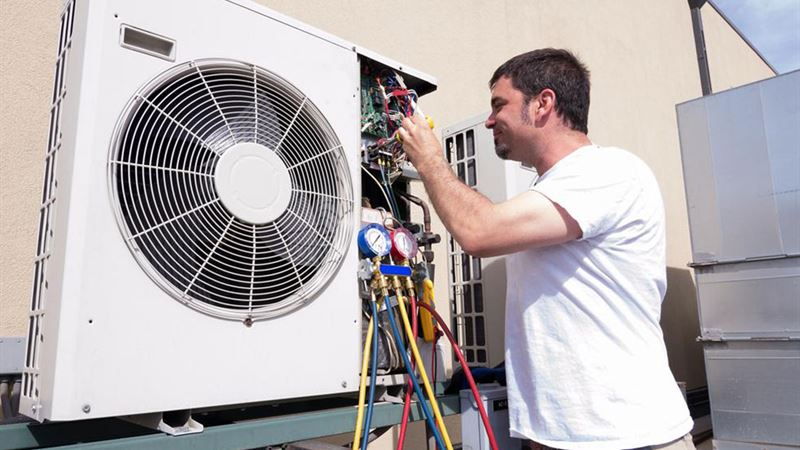
Summer weather often brings higher temperatures that test the limits of your home's HVAC system. Proper maintenance and strategic adjustments can significantly enhance comfort, improve energy efficiency, and extend the lifespan of your heating, ventilation, and air conditioning equipment. Whether you own a home with pets or simply want to ensure your system runs smoothly during the hottest months, understanding key HVAC maintenance practices is essential. This comprehensive guide discusses various steps homeowners can take to prepare their HVAC systems for summer, ensuring optimal performance and savings.
Maintaining Optimal Indoor Temperatures
Achieving the right indoor temperature is crucial for comfort and energy conservation. During summer, setting your thermostat to around 72°F (22°C) can help balance comfort with efficiency. Temperatures above this threshold may lead to increased energy consumption, while lower settings can cause unnecessary strain on cooling systems. Consulting with a licensed HVAC professional can help you determine the most suitable temperature settings based on your home's size, insulation, and personal preferences. Proper calibration ensures your system functions efficiently and avoids overworking, which can cause premature wear and higher energy bills.
Achieving the right indoor temperature is crucial for comfort and energy conservation. During summer, setting your thermostat to around 72°F (22°C) can help balance comfort with efficiency. Temperatures above this threshold may lead to increased energy consumption, while lower settings can cause unnecessary strain on cooling systems. Consulting with a licensed HVAC professional can help you determine the most suitable temperature settings based on your home's size, insulation, and personal preferences. Proper calibration ensures your system functions efficiently and avoids overworking, which can cause premature wear and higher energy bills.
Controlling Indoor Humidity Levels
Humidity plays a vital role in indoor comfort and health. Maintaining humidity between 30% and 60% prevents mold growth, reduces dust mites, and minimizes the likelihood of respiratory issues. High humidity levels force air conditioning units to work harder to cool the air, leading to increased energy costs and potential system overloads. To manage humidity effectively, consider using dehumidifiers and ensuring your HVAC system includes proper moisture control features. Sealing leaks and improving insulation also prevent excess moisture infiltration, supporting consistent indoor humidity and energy savings.
Humidity plays a vital role in indoor comfort and health. Maintaining humidity between 30% and 60% prevents mold growth, reduces dust mites, and minimizes the likelihood of respiratory issues. High humidity levels force air conditioning units to work harder to cool the air, leading to increased energy costs and potential system overloads. To manage humidity effectively, consider using dehumidifiers and ensuring your HVAC system includes proper moisture control features. Sealing leaks and improving insulation also prevent excess moisture infiltration, supporting consistent indoor humidity and energy savings.
Enhancing Sealant and Insulation for Energy Efficiency
Proper sealing and insulation are fundamental to maintaining a controlled indoor environment. Gaps around windows, doors, and ductwork allow warm, humid air to infiltrate, forcing your HVAC system to compensate. Upgrading insulation and sealing leaks help retain cooled air, lowering utility bills and reducing system workload. When replacing your HVAC unit, investing in enhanced insulation can amplify energy efficiency benefits, leading to better temperature regulation, reduced humidity issues, and overall higher comfort levels.
Proper sealing and insulation are fundamental to maintaining a controlled indoor environment. Gaps around windows, doors, and ductwork allow warm, humid air to infiltrate, forcing your HVAC system to compensate. Upgrading insulation and sealing leaks help retain cooled air, lowering utility bills and reducing system workload. When replacing your HVAC unit, investing in enhanced insulation can amplify energy efficiency benefits, leading to better temperature regulation, reduced humidity issues, and overall higher comfort levels.
Regular Coil Sterilization and Filter Changes
To ensure your HVAC system operates hygienically and efficiently, routine cleaning of coils — through which refrigerant circulates — is essential. Dirty coils can impair heat transfer, reducing cooling effectiveness and promoting microbial growth, which affects air quality. Replacing air filters every 60 days is advisable, especially if you have pets or allergy sufferers, to prevent dust, pollen, and other allergens from circulating. Clean filters improve airflow and prevent system strain, prolonging equipment life and maintaining healthy indoor air quality.
To ensure your HVAC system operates hygienically and efficiently, routine cleaning of coils — through which refrigerant circulates — is essential. Dirty coils can impair heat transfer, reducing cooling effectiveness and promoting microbial growth, which affects air quality. Replacing air filters every 60 days is advisable, especially if you have pets or allergy sufferers, to prevent dust, pollen, and other allergens from circulating. Clean filters improve airflow and prevent system strain, prolonging equipment life and maintaining healthy indoor air quality.
Upgrading Aging HVAC Equipment
Systems older than ten years tend to be less energy-efficient, potentially increasing energy bills by up to 20%. They are also more prone to breakdowns and less capable of maintaining desired indoor conditions. Upgrading to modern HVAC units equipped with energy-saving technologies not only reduces utility costs but also lowers environmental impact through decreased emissions. New models often feature smart controls, better filtration, and advanced sensors that optimize performance based on real-time conditions. Investing in a new system ensures reliable cooling, enhances indoor air purity, and reduces long-term maintenance expenses.
Systems older than ten years tend to be less energy-efficient, potentially increasing energy bills by up to 20%. They are also more prone to breakdowns and less capable of maintaining desired indoor conditions. Upgrading to modern HVAC units equipped with energy-saving technologies not only reduces utility costs but also lowers environmental impact through decreased emissions. New models often feature smart controls, better filtration, and advanced sensors that optimize performance based on real-time conditions. Investing in a new system ensures reliable cooling, enhances indoor air purity, and reduces long-term maintenance expenses.
Professional Assistance for Maintenance and Repairs
While routine DIY maintenance can keep your system running smoothly, professional HVAC services are vital for comprehensive inspections, repairs, and newer installations. Certified technicians can identify hidden issues, perform detailed cleaning, and recommend upgrades tailored to your specific needs. Regular professional tune-ups enhance energy efficiency, extend equipment life, and prevent costly breakdowns during peak summer months. Scheduling seasonal maintenance with experienced contractors ensures your HVAC system operates at peak performance, providing cooling comfort all summer long.
While routine DIY maintenance can keep your system running smoothly, professional HVAC services are vital for comprehensive inspections, repairs, and newer installations. Certified technicians can identify hidden issues, perform detailed cleaning, and recommend upgrades tailored to your specific needs. Regular professional tune-ups enhance energy efficiency, extend equipment life, and prevent costly breakdowns during peak summer months. Scheduling seasonal maintenance with experienced contractors ensures your HVAC system operates at peak performance, providing cooling comfort all summer long.
In conclusion, preparing your HVAC system for summer involves a combination of strategic temperature management, humidity control, system cleaning, insulation improvements, and professional servicing. Implementing these practices helps maintain a comfortable indoor environment, reduces energy costs, and prolongs the lifespan of your equipment. Staying proactive with HVAC maintenance ensures smooth operation throughout the hottest months and beyond, empowering homeowners to enjoy a cool, healthy, and energy-efficient home all summer long.