
Ultimate Guide for Beginners: Crafting a Professional Resume That Stands Out
Learn how to craft a professional resume as a beginner. Discover tips to highlight your skills, create standout content, and prepare impactful cover letters. This guide provides practical advice to enhance your job application process and increase your chances of success, even with limited experience.
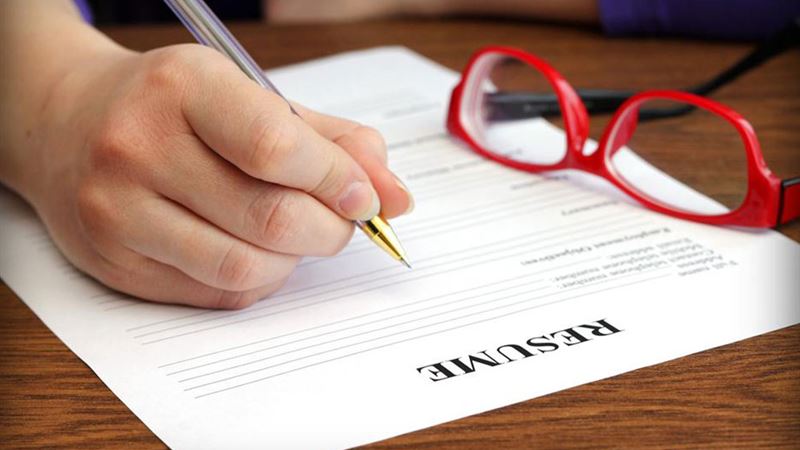
Creating a compelling and professional resume is a critical step for job seekers, especially if you're just starting your career journey. Every element of your resume, from the language you use to the way you present your information, plays a vital role in catching the eye of hiring managers. As a beginner, designing a resume that captures attention can seem daunting, but understanding the fundamentals can make the process much more straightforward and successful.
Beginning with a well-structured draft is essential. Many candidates start by using templates or samples found online, which is a helpful first step. However, what truly makes your resume stand out is customization—highlighting your unique experiences and strengths in a way that aligns with the job requirements. Even if you're new to the workforce, you possess valuable skills and experiences that can impress recruiters.
For instance, consider any extracurricular activities or college projects that involved leadership, coordination, or problem-solving. If you've organized events, managed team projects, or led student organizations, these are all relevant experiences. When describing these experiences, employ professional language such as 'led a team of' or 'organized a project that involved.' Use action verbs to demonstrate initiative and responsibility, making your resume more impactful.
Avoid including personal details that are irrelevant to your professional capabilities. Details like age, marital status, religious beliefs, or desired salary do not contribute to the employer's understanding of your qualifications. You may include your date of birth, but refrain from stating your age directly. Focus instead on your skills, accomplishments, and educational background.
In addition to your resume, a well-crafted cover letter can significantly enhance your application, especially if you are a recent graduate or new entrant into the job market. Many employers require cover letters along with resumes because they provide an opportunity for candidates to introduce themselves and explain why they are ideal for the role. Unlike resumes, which generally follow a standard format, cover letters allow for personalization and storytelling about your passion, skills, and motivation.
Your cover letter should clearly articulate why you are interested in the position and how your background makes you suitable. Highlight specific experiences or coursework that prepared you for the responsibilities of the job. Be honest, concise, and enthusiastic. A compelling cover letter can make a lasting impression and increase your chances of securing an interview, even if your professional experience is limited.
In conclusion, creating a standout resume and cover letter as a beginner involves strategic presentation of your skills, experiences, and enthusiasm. Focus on quality, relevance, and professionalism, and tailor your applications for each role. By doing so, you'll improve your chances of catching the employer's eye and landing your first job opportunity with confidence.