This comprehensive guide helps you choose the ideal audio system tailored to your space and needs. Learn about different speaker types, room acoustics, usage-specific setups, and the latest technological trends to optimize sound quality. Whether you're setting up for music, movies, or outdoor entertainment, discover how to select, position, and configure your audio equipment for the best experience. Understand the importance of room size, materials, and furnishings, and explore innovative features like wireless connectivity and smart integration to future-proof your audio setup. Enhance your home entertainment with expert advice and detailed insights.
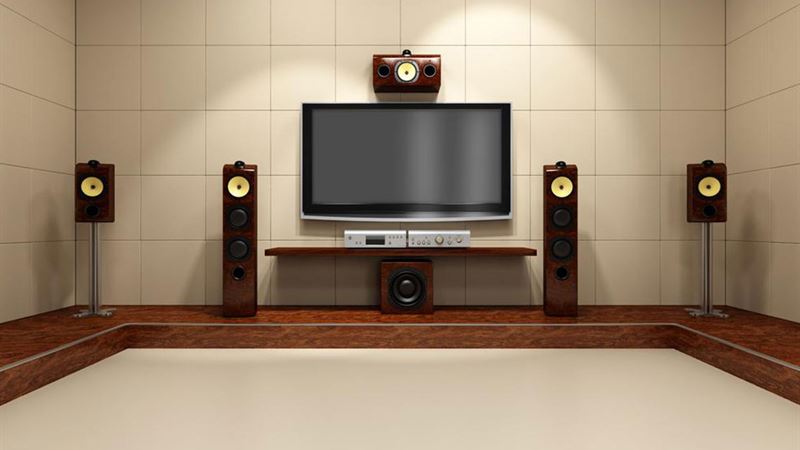
Understanding Different Types of Speakers: Selecting the right audio system begins with understanding the diverse range of speakers available in the market. Speakers come in numerous forms, sizes, and configurations designed to suit various needs and preferences. From compact bookshelf speakers to large floor-standing units, the options are extensive. The wattage rating indicates the power capacity of the speakers, affecting the volume and clarity of sound. Mounting options include wall-mounted or free-standing units, which influence placement flexibility. Connecting arrangements vary from wired setups to wireless or Bluetooth-enabled speakers, providing convenience and flexibility. Additionally, speakers can be configured for mono sound, stereo, surround sound, or multiple channels for immersive home theater experiences. Combining different types of speakers can create a customized audio environment, optimizing sound quality based on your specific requirements and space. When selecting speakers, consider the intended use case—whether for music listening, home theater, or gaming—and match the specifications accordingly. Assessing Space and Acoustic Environment: The effectiveness of your audio system heavily depends on the environment in which it is installed. Not every speaker or system performs equally well in different spaces. Factors like room size, shape, construction materials, and internal furnishings significantly influence sound quality. For optimal performance, it is essential to choose a system tailored to your space. Larger rooms may require more powerful speakers or additional units to fill the space with sound evenly, while smaller rooms might benefit from compact, high-quality speakers to prevent overwhelming the area. The type of wall materials—such as concrete, drywall, or wood—affects how sound reflects and absorbs, which in turn impacts audio clarity. Rooms with hard surfaces tend to reflect sound waves, creating echoes that can distort audio, whereas soft furnishings like rugs, carpets, curtains, and cushions absorb sound waves, reducing reflections and producing clearer audio. Strategic placement of speakers—considering height, distance from walls, and positioning relative to seating areas—also plays a crucial role. It's advisable to analyze the room’s acoustics and select equipment that complements and enhances the space, ensuring an ideal listening experience. Matching Audio System to Room Usage: Different rooms serve various functions and require tailored audio solutions. For example, a living room might need an audio setup capable of delivering rich sound for movies and music, while a home office might prioritize speech clarity for conferencing. When choosing an audio system, consider the specific usage scenarios, including the level of power, sound quality, and connectivity features needed. Large open-concept living spaces may benefit from surround sound systems that create an immersive experience, whereas bedrooms might prefer smaller, more discreet speakers. Media rooms and dedicated home theaters demand high-fidelity components capable of reproducing theater-style sound effects and dialogue accurately. Outdoor spaces like patios or gardens often require weather-resistant speakers with enhanced durability and outdoor performance capabilities. It's also vital to consider connectivity options like Wi-Fi, Bluetooth, or Ethernet, enabling seamless integration with other devices. Control features, including remote access and smart home compatibility, can further enhance convenience. A well-chosen system enhances not only audio quality but also the overall ambiance, transforming your space into a true sanctuary for entertainment and relaxation. Technological Advances and Future Trends: The audio industry continues to evolve rapidly, with innovations that bring improved sound quality, convenience, and integration. Wireless technology, such as Bluetooth and Wi-Fi streaming, has revolutionized how we connect and operate audio devices, eliminating cumbersome wiring and allowing multi-room setups. Smart speakers equipped with voice assistants like Alexa, Google Assistant, or Siri provide hands-free control and automation, making managing your audio environment easier than ever. High-resolution audio formats are gaining popularity, offering richer and more detailed sound reproduction. Additionally, Dolby Atmos and DTS:X technologies enable immersive, three-dimensional soundscapes, elevating home theater experiences. The integration of artificial intelligence (AI) helps optimize sound based on room acoustics and user preferences. Future trends point toward more compact, power-efficient devices that deliver superior sound performance, along with scalable networks that allow seamless expansion of audio setups across your entire home. Staying updated with these technological advancements will ensure you choose an audio system that remains relevant, efficient, and capable of providing an outstanding listening experience for years to come. 