This comprehensive article offers actionable strategies to help women effectively manage menstrual cramps, emotional discomfort, and overall well-being during their period. From understanding your flow and choosing the right sanitary products to rest, nutrition, and gentle exercise, discover practical tips for a healthier, more comfortable cycle that promotes confidence and vitality.
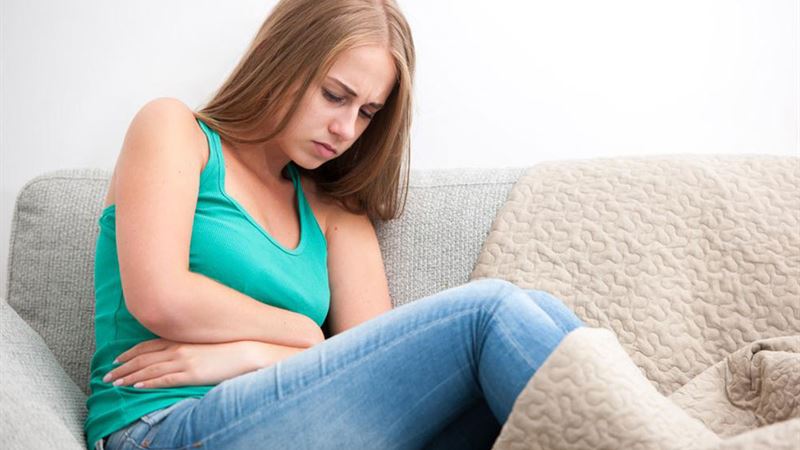
Understanding Your Menstrual Flow and Selecting the Appropriate Sanitary Products: Accurately assessing your menstrual flow is crucial for choosing the right sanitary products. Track your bleeding patterns to determine if you experience heavy flow on certain days or if it varies in duration. If you're uncertain about which products suit your needs, consider trying free sample packs offered by many brands. Sampling different types allows you to assess absorbency levels, thickness, and length to find the most comfortable and effective option for your body. This proactive approach ensures maximum comfort and protection throughout your period.
To facilitate this, explore online stores and brand websites that frequently offer special discounts and promotional deals on free sample packs. Subscribe to newsletters of trusted brands to stay informed about the latest offers, discounts, and new product launches. Taking advantage of these deals provides an economical way to test various options, helping you make an informed choice that prioritizes your comfort and health.
Prioritize Rest and Recovery: During menstruation, ensuring ample rest is vital for your overall well-being. Your body undergoes numerous contractions and changes during this time, which can lead to discomfort and fatigue. Rest allows your body to recover from these stresses, reducing the severity of cramps and other associated pains. Using hot water bottles on the lower abdomen can significantly alleviate cramps and provide soothing warmth. Adequate rest also helps manage mood swings and emotional unease often experienced during this period, fostering a sense of calm and well-being.
Proper Nutrition and Hydration: Menstrual bleeding can deplete vital nutrients in the body, especially iron, leading to potential issues like anemia if not properly managed. It is essential to incorporate a nutrient-rich diet during menstruation, emphasizing iron-rich foods such as leafy greens, beans, and lean meats. Incorporate fruits and vegetables high in folic acid to support blood regeneration and overall health. Maintaining hydration is equally important; drink plenty of water and herbal teas to keep your system balanced and help ease bloating and discomfort.
Proper nutrition ensures your body efficiently expels toxins and replenishes essential nutrients, supporting quicker recovery and reduced fatigue.
Light Physical Activity and Exercise: Engaging in gentle activities like stretching, yoga, or light walking can significantly improve menstrual comfort. These mild exercises promote blood circulation, alleviate cramps, and reduce stiffness. Listening to your body and avoiding strenuous activities during heavy bleeding days helps prevent fatigue and excessive discomfort. Regular movement during menstruation can also enhance mood and lessen feelings of anxiety or depression associated with hormonal fluctuations.
In conclusion, managing menstrual discomfort involves a holistic approach that includes understanding your body's needs, proper product selection, adequate rest, balanced nutrition, hydration, and gentle physical activity. Implementing these strategies can lead to a more comfortable and less stressful menstrual experience, empowering women to maintain their daily activities with confidence and ease.
