Learn the best techniques for cleaning and maintaining your Turkish Kilim rug to preserve its beauty and longevity. This comprehensive guide offers step-by-step instructions on gentle cleaning, proper drying, and care tips tailored specifically for handmade rugs. Discover how to avoid damage from harsh chemicals or machine cleaning, ensuring your Turkish Kilim remains vibrant and soft for years. Ideal for homeowners and collectors, this article emphasizes safe, manual cleaning practices to protect valuable and delicate textiles. Keep your rug pristine with expert-approved methods.
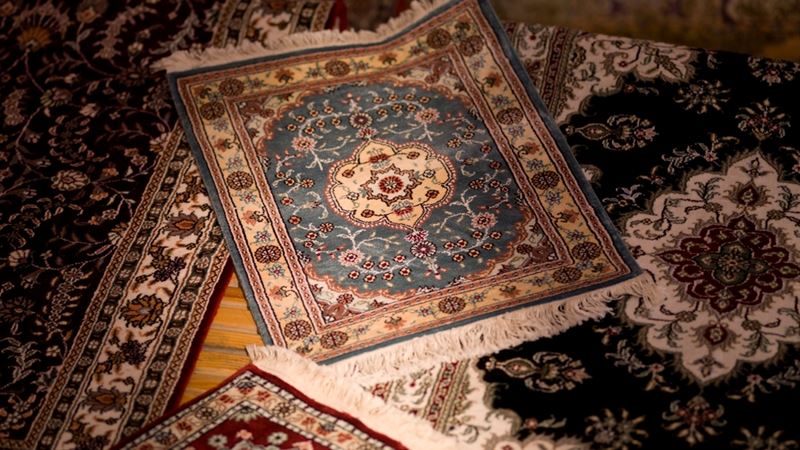
Begin by choosing a suitable location to clean your Turkish Kilim rug. Find a flat, airy space such as your driveway or a spacious yard where water access is available. Ensure the area provides enough room without obstructions to handle thorough cleaning processes. Prepare a gentle cleaning solution using organic soap, baby shampoo, or a specialized carpet shampoo. Mix a small amount of soap with water to create a diluted solution. For added effectiveness, incorporate one tablespoon of white vinegar into the mixture. The soap will lift dirt and grime, while the vinegar helps restore shine and enhances the wool's natural glaze, giving your rug a fresh, vibrant appearance. Take a soft-bristle brush dipped into the soapy solution. Begin cleaning from one corner of the rug, using gentle strokes. Work vertically across the rug, moving gradually from one end to the other to loosen dirt particles. Be cautious not to scrub vigorously; gentle actions prevent damage to the delicate fibers of the handmade Turkish kilim rug. After completing the vertical cleaning, repeat the same process horizontally. This cross-directional approach ensures comprehensive cleaning while minimizing stress on the fabric. Remember, aggressive scrubbing can compromise the integrity of the handmade fibers, so patience and gentle handling are essential. Use a garden hose or a pipe with a steady stream of running water to thoroughly rinse the soap off the rug. Proper rinsing prevents soap residue buildup, which can attract more dirt and cause stiffness over time. Once rinsed, lightly brush the rug again to remove any remaining dirt and loosen fibers. This step helps maintain the rug’s soft texture and prepares it for drying. Lay the Turkish Kilim rug flat on a clean, dry surface such as a large table or drying rack. Allow it to dry naturally in a well-ventilated area, preferably outdoors in the sun. Regularly flip and reposition the rug to ensure even drying and prevent mold or mildew growth. Complete drying may take up to two days, depending on humidity and temperature. Monitoring the drying process is crucial. Make sure the rug is fully dry before bringing it indoors. If external weather conditions are damp or cloudy over several days, place the rug inside a room with central heating or use a fan to facilitate quicker, even drying. Avoid exposing the wet rug to direct sunlight for extended periods, as this can cause fading or damage to the dyes. After drying, use a soft-bristle brush to gently fluff the fibers. This restores the rug’s plush and soft feel, making it look revitalized and well-maintained. A properly cleaned and dried Turkish kilim rug can last for generations when cared for correctly. It’s important to note that Turkish kilim rugs are handmade and delicate. They should never be cleaned in washing machines, as the harsh chemicals, vibrations, and hot water can cause irreversible damage. While many commercial carpet cleaning services are available, they are often better suited for machine-made or synthetic carpets. For authentic Turkish kilims, manual cleaning at home is the safest and most effective approach. Regular gentle maintenance will prolong the life and beauty of your cherished rug, ensuring it remains a stunning centerpiece in your home for years to come.
