
Complete Guide to Obtaining Your Driver’s License: Step-by-Step Instructions
This comprehensive guide provides detailed steps to acquire a driver’s license, including license classes, costs, testing procedures, and essential tips for success. Perfect for first-time drivers or those updating their license, it covers everything needed to navigate the licensing process smoothly and confidently, ensuring you’re ready to hit the road responsibly and safely.
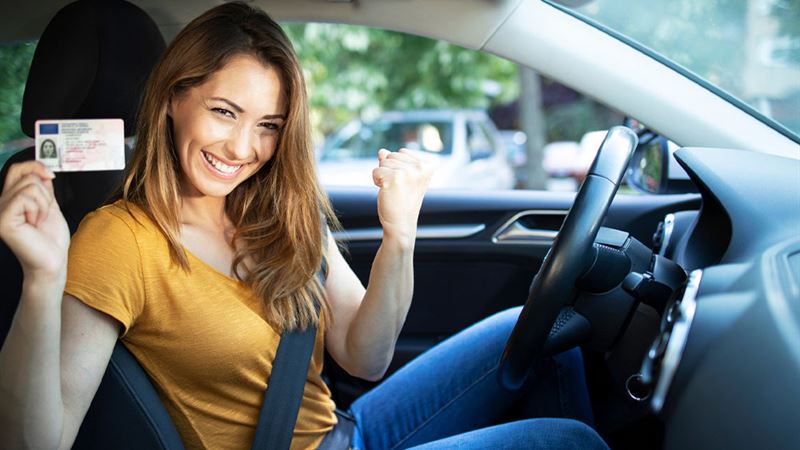
Embarking on the journey to acquire a driver’s license is a significant milestone that opens up a world of independence and mobility. Whether you're a first-time applicant or updating a previous license, understanding the entire process—from choosing the correct license class to passing the required tests—is essential. This comprehensive guide aims to walk you through every stage involved in obtaining your driver’s license, ensuring you’re well-prepared and confident to pass the tests and hit the road legally and safely.
Understanding Driver’s License Classifications
- Commercial Driver’s Licenses (CDL) - Classes A, B, and C
- Passenger Vehicle License - Class D
- Motorcycle Operator License - Class M
- For-Hire Vehicle Driver’s Permits
These licenses are designed for professional drivers operating vehicles like large trailers, buses, and agricultural tractors. Class A allows the operation of combination vehicles with a gross vehicle weight rating (GVWR) exceeding 26,001 pounds, provided the trailer exceeds 10,000 pounds. Class B covers single vehicles with a GVWR over 26,001 pounds or buses designed to carry 16 or more passengers. Class C is for vehicles that do not meet the specifications of A or B but are used to transport hazardous materials or more than 15 passengers.
This is the most common license for personal vehicle drivers. It is issued primarily to individuals over 18, though many states allow those aged 16-17 to apply with special permits and driver’s education. The Class D license authorizes you to operate standard cars, trucks, and vans, making it suitable for daily commuting, family trips, and light-duty transportation.
Designed for motorcycle enthusiasts aged 17 and above (or 18+ without restrictions), this license grants permission to ride motorcycles legally on public roads. Most states require specific testing or riding skills assessment for the Class M license, including a written knowledge test and a riding skills test.
Drivers operating taxis, limousines, ride-sharing services, or other transportation-for-hire vehicles must obtain E-class licenses or equivalent, depending on the state. These licenses often require additional background checks and specialized training to ensure passenger safety and compliance with local regulations.
Cost Breakdown and Payment Procedures
The expenses associated with obtaining a driver’s license vary based on several factors such as the license class, applicant’s age, and specific state regulations. Typically, the process involves an application fee, which covers initial testing and processing. The standard application fee for a non-commercial driver’s license is around $10, but this can fluctuate depending on the jurisdiction.
The application fee generally includes up to two road tests; if you fail to pass these initial attempts, you will need to pay additional fees to retake the tests. It’s important to note that fees are non-refundable, regardless of whether you pass or fail the tests. For precise information, always consult your state’s Department of Motor Vehicles (DMV) website, as they provide up-to-date fee schedules and payment options.
Preparing for the Written Knowledge Exam
Before you get behind the wheel, most states require you to pass a written knowledge test. This exam verifies your understanding of traffic laws, safety regulations, and road signs—crucial knowledge for responsible driving. You’ll typically face about 18 multiple-choice questions, although the exact number varies between states.
To pass the test, you must score at least 80%—meaning you must answer correctly to most questions. Studying the driver’s handbook issued by your state DMV is highly recommended, as it covers all test topics. Many DMVs also offer practice tests online, allowing you to assess your readiness and identify areas needing improvement.
If you do not pass the written test initially, you can retake it, but you may need to wait certain periods before doing so, and additional testing fees might apply. For those new to driving or unsure about passing, enrolling in an online driver’s education course can significantly improve your chances. These courses provide comprehensive lessons, quizzes, and tips tailored to your state’s requirements.
Getting Your Learner’s Permit
Once you pass the knowledge exam, you’ll be issued a learner’s permit—also known as a temporary or provisional license. This permit allows you to practice driving under supervision with a licensed adult, usually for a specified period, depending on your state’s regulations. During this phase, gaining ample practice is essential, as it prepares you for the final road test.
Most states mandate that new drivers complete a minimum number of supervised driving hours, covering different conditions such as night driving and highway navigation. Keeping a driving log and practicing regularly will reinforce your skills, build confidence, and ensure you’re ready for the next step.
Importance of Pre-Licensing Courses
Before attempting your road test, enrolling in an approved pre-licensing or behind-the-wheel training course is highly advisable. These programs are designed to hone your driving skills under the guidance of qualified instructors, emphasizing safe driving techniques, traffic rules, and practical skills like parallel parking, lane changing, and emergency maneuvers.
Most states require a minimum number of supervised driving hours, often achieved through such courses. These classes also prepare you for the road test by simulating real-world driving scenarios, helping you understand what examiners look for during your assessment.
The Road Test and Final Licensing
After completing your prep, you’re ready to take the official road test. The examiner will evaluate your ability to operate the vehicle safely, follow instructions, and demonstrate basic driving skills. During the test, you’ll be guided through various maneuvers, such as turning, parking, obeying traffic signals, and merging lanes.
Your performance determines whether you’ll receive an interim or temporary license, which allows legal driving until your official card arrives by mail—usually within a couple of weeks. To avoid delays, it’s recommended to regularly check your application status online and ensure all documentation is complete.
Effective Strategies for Passing the Driving Test
The final hurdle can be both exciting and nerve-wracking. Proper preparation enhances your confidence and increases your chances of success. Here are some practical tips:
- Consistent Practice: Spend ample hours behind the wheel with a supervising licensed driver. Practice different driving scenarios, including city streets, highways, and parking lots.
- Adaptability: Weather and road conditions can vary. Practice driving in rain, wind, or low-light conditions to better prepare for unexpected situations.
- Familiarity with Your Vehicle: Use a vehicle you are comfortable with, ensuring you know the controls and features. This familiarity reduces anxiety and helps you perform confidently during the test.
- Punctuality: Arrive early for your scheduled test appointment. Being punctual demonstrates responsibility and readiness, reducing unnecessary stress.
Additional preparation may include reviewing the test route, practicing specific maneuvers, and ensuring your vehicle is in good condition with valid registration and insurance documentation.
In conclusion, obtaining a driver’s license involves understanding various licensing classes, preparing academically and practically, and demonstrating your driving proficiency through tests. By following these detailed steps and tips, you will be well on your way to becoming a licensed, safe, and confident driver, ready to explore the open roads responsibly.