
Comprehensive Guide to Securing a Mortgage Loan
This comprehensive guide walks you through every step of securing a mortgage loan, from initial application to final closing. Learn about essential documents, qualification criteria, and the legal process involved in buying your home with confidence. Whether you're a first-time buyer or refinancing, this detailed overview provides valuable insights to simplify your mortgage journey and ensure a successful transaction.
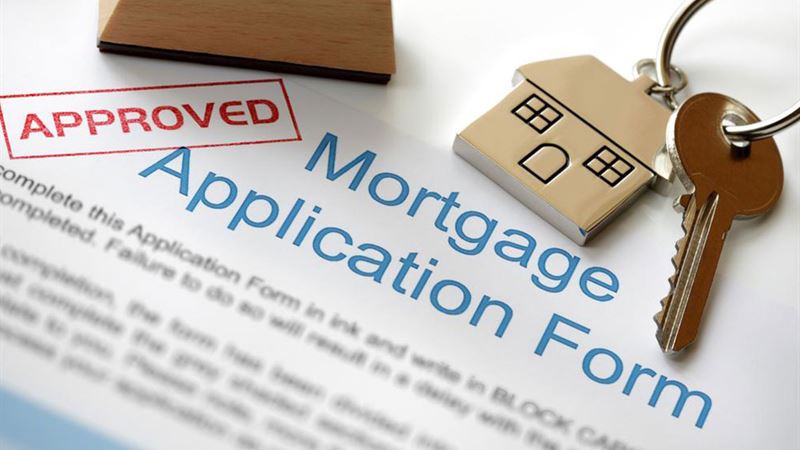
Mortgage loans are financial agreements between a borrower and a lender where the borrower receives funds to purchase or refinance a property. The lender secures the loan with the property itself, acting as collateral. The process of securing a mortgage involves various steps designed to assess your financial stability, verify your ability to repay the loan, and ensure the property is worth the loan amount. A common form of government-backed mortgage is the FHA loan, which is especially popular among first-time homebuyers due to its lower down payment requirements and more lenient qualification standards.
To start the mortgage application process, the borrower must first determine the market value of the property they wish to purchase or refinance. Once that’s established, the applicant must gather several important documents to support their application. These documents typically include bank statements, investment account summaries, proof of employment and income, tax filings, and other financial records. Preparing these documents in advance can significantly reduce delays during the application review process, making it smoother and more efficient.
The application itself involves filling out forms that detail your personal and financial information. Lenders will scrutinize your credit report, income statements, employment history, debt-to-income ratio, and overall financial health. An important aspect of the approval process is demonstrating your capacity to meet monthly mortgage payments. The lender evaluates whether your income, savings, and financial stability are sufficient to service the new debt.
Once all documentation is submitted and the lender is satisfied with your financial profile, they will decide whether to approve or deny your loan application. If approved, you will receive an official loan commitment letter outlining the terms, such as the interest rate, loan term, and repayment schedule. If declined, the lender provides a detailed explanation for rejection, allowing you to address any issues and reapply in the future.
The final stage of obtaining your mortgage involves the closing process, where all parties involved come together to complete the home buying transaction. This stage includes signing numerous legal documents such as the HUD-1 settlement statement, mortgage note, and truth-in-lending disclosures. These documents finalize your agreement, transfer property ownership from the seller to the buyer, and establish your legal obligation to repay the loan. The closing process also involves the payment of closing costs, which include fees for appraisal, title insurance, and other administrative expenses.
Understanding the steps involved in acquiring a mortgage loan can empower you to navigate the process confidently. Proper preparation and awareness of required documentation, qualification criteria, and legal procedures help prevent surprises and delays. Remember to work closely with your lender or mortgage broker, and consider seeking advice from financial professionals if needed, to ensure a smooth path to homeownership.