
Effective Home Remedies to Relieve Nasal Congestion in Children
Discover comprehensive and natural home remedies to effectively alleviate nasal congestion in children. From steam inhalation and humidifiers to nourishing soups and proper hydration, learn how to help your child breathe easier and recover faster using safe, accessible methods. These tips are designed to provide relief without the need for medication, ensuring your child's comfort and health during colds or allergies.
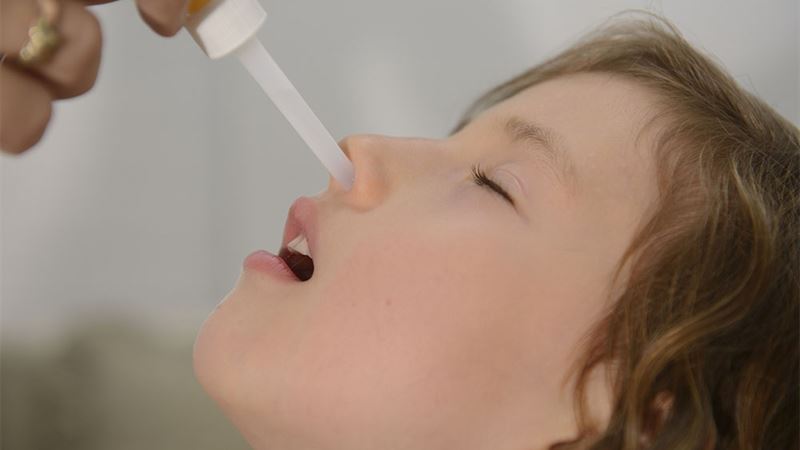
Dealing with a child's nasal congestion can be challenging for any parent or caregiver. A blocked nose not only causes discomfort but can also lead to difficulty in breathing, disturbed sleep, and decreased appetite. Fortunately, there are numerous safe and natural home remedies that can offer relief without the immediate need for medication. Understanding these techniques can help you soothe your child's symptoms and support their recovery more comfortably and efficiently.
One of the fundamental steps in alleviating nasal congestion is clearing out excess mucus. In infants and young children, this requires gentle methods to prevent discomfort or injury. A highly effective tool for this purpose is the nasal bulb syringe. These devices create gentle suction to extract mucus from obstructed nasal passages, helping your child breathe more easily. When using a nasal bulb syringe, be sure to sterilize it regularly and use it carefully, especially in infants, to avoid injury. Carefully insert the tip into each nostril and gently press the bulb to create a vacuum as you withdraw it to remove mucus. This simple process can significantly reduce congestion and improve breathing during colds or allergic reactions.
Steam Inhalation: A Natural Congestion Buster
Steam inhalation has been a popular remedy across cultures for generations. The warm steam effectively loosens thick mucus lining the nasal and sinus passages, making it easier for your child to breathe freely. To perform steam inhalation at home, you can fill a bowl with hot water, place a towel over your child's head, and have them inhale the steam for about 10-15 minutes. Alternatively, modern steam inhalers or facial sauna devices designed for children can provide a safer and more controlled experience. Always ensure the steam is warm but not scalding, to avoid burns. Incorporating a few drops of eucalyptus or menthol oil can enhance the soothing effects, but consult your doctor before using any essential oils on young children.
Humidifiers: Maintaining Moisture in Humid Air
A dry indoor environment can exacerbate nasal congestion and irritation. Using a humidifier adds moisture to the air, helping to relieve dryness and reduce sneezing, coughing, and nasal irritation. For children, a cool-mist humidifier is recommended because it safely releases water vapor without the risk of burns from hot steam. Place the humidifier in your child's room, especially during sleep, and keep it clean to prevent mold and bacteria growth. Regularly change the water and clean the device according to the manufacturer's instructions. Humidifiers are especially beneficial in winter or in dry climates, providing a gentle and continuous source of moisture that keeps nasal passages moist and comfortable.
Nourish with Warm Chicken Soup
One of the most comforting home remedies for nasal congestion is warm chicken soup. Scientific studies suggest that chicken soup contains anti-inflammatory properties that can help reduce swelling in the upper respiratory tract. Additionally, the warm liquid provides hydration and soothes sore throats. Chicken soup is also rich in nutrients, making it an excellent choice to support a child's immune system during illness. It encourages fluid intake, which is crucial in thinning mucus and promoting easier drainage from nasal passages. Serving warm, easily digestible chicken soup during cold or congested days can help your child feel more comfortable and recover faster.
Hydration Is Key
Keeping your child well-hydrated is essential when dealing with nasal congestion. Fluids such as water, herbal teas, clear broths, and electrolyte solutions help thin the mucus, making it easier to expel from the nasal passages and sinuses. Adequate hydration also prevents dehydration, which can occur when a child is unwell and has a reduced appetite. Encourage your child to drink fluids frequently throughout the day, offering appealing options like flavored water or warm herbal teas if appropriate. Hydration not only alleviates congestion but also supports the overall immune function, aiding quicker recovery from colds and allergies.
Over-the-Counter Pain Relievers for Discomfort
Facial pain or pressure often accompanies nasal congestion, making your child uncomfortable or irritable. Over-the-counter medications such as ibuprofen or acetaminophen can alleviate pain and reduce inflammation. These medications are generally safe when used as directed and can help relieve symptoms like sinus pressure or headache. However, it's important to consult your pediatrician before administering any medication to young children, especially those under six months old. Always adhere to dosing instructions and be mindful of potential side effects. Combining medication with other home remedies can maximize relief and make your child's recovery less distressing.
In conclusion, managing nasal congestion in children through natural and home-based remedies offers a safe, cost-effective approach that can significantly improve comfort and speed recovery. Always observe your child's response to these remedies and seek medical advice if symptoms persist or worsen. With patience and proper care, your child can breathe easier and recover more comfortably, enjoying the benefits of safe home treatment options.