
Effective Strategies to Eliminate $10,000 Credit Card Debt Quickly and Efficiently
Learn proven strategies to pay off $10,000 credit card debt quickly, including balance transfers, personal loans, and smart repayment plans. Discover how to reduce interest costs and accelerate your path to financial freedom with disciplined budgeting and increased income. Expert tips and practical advice guide you through the most effective ways to eliminate debt and regain control of your finances.
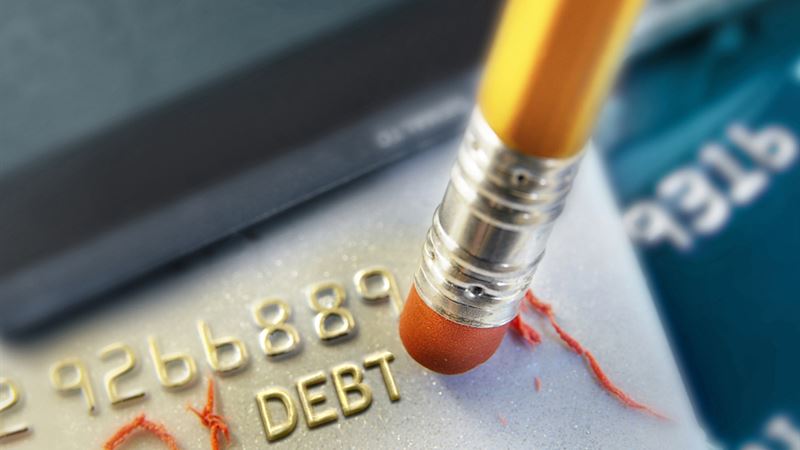
Managing and paying off significant credit card debt can feel overwhelming, especially when amounts reach the $10,000 mark. However, with a strategic approach and disciplined financial management, you can significantly reduce or eliminate this burden in a relatively short period. This comprehensive guide explores proven methods and practical tips to help you pay off your $10,000 credit card debt faster, saving you money on interest payments and improving your financial health.
Credit card debt can accumulate rapidly due to high-interest rates, making it difficult to see progress if you are only making minimum payments. Therefore, adopting effective repayment strategies is essential. Two popular methods are the debt avalanche and the debt snowball — each catering to different financial situations and personal preferences. Additionally, consolidating your debts through balance transfers or personal loans can markedly reduce your interest expenses and accelerate repayment.
Before diving into repayment plans, it’s crucial to assess your current financial situation comprehensively. This includes understanding your total debt, interest rates, monthly income, expenses, and available resources. Creating a detailed budget will help identify areas where you can cut costs and allocate more funds toward debt repayment. The goal is to develop a sustainable plan that accelerates your payoff timeline while maintaining your other financial obligations.
Below are some of the most effective strategies and options for paying off your $10,000 credit card debt as quickly as possible:
1. Consider Transferring Your Balance to a Lower-Interest Credit Card
If you accumulated your credit card debt due to unforeseen emergencies or urgent expenses, exploring balance transfer options can significantly decrease your interest payments. Many banks and financial institutions offer introductory 0% APR balance transfer offers for new credit cards, which can be valid for 6 to 18 months. This window allows you to pay down the principal amount without accruing additional interest, making your repayment process faster and more cost-effective.
When evaluating balance transfer offers, compare the introductory APR, balance transfer fees, and the duration of the 0% promotion. Aim for offers with minimal transfer fees and the longest interest-free period. Remember that after the introductory period, the interest rate will revert to the standard rate, so it’s important to pay off the transferred balance within the promotional window.
Additionally, some cards may impose a limit on the amount you can transfer, so ensure the chosen card can accommodate your entire $10,000 debt. Using a balance transfer strategically can help you save hundreds or even thousands of dollars in interest, enabling you to focus more funds on reducing the principal.
2. Obtain a Personal Loan for Debt Consolidation
Another viable option is to secure a personal loan with a lower interest rate to pay off your credit card debt. This approach, known as debt consolidation, simplifies your finances by combining multiple high-interest debts into a single, manageable loan with a fixed interest rate and payment schedule.
While it might seem risky, borrowing through a personal loan can be advantageous if the interest rate you receive is substantially lower than your credit card's rate, which often exceeds 17-18%. Typically, personal loan interest rates range from 6% to 12%, dependent on your creditworthiness. This reduction can significantly decrease your interest expenses over time and help you pay off your debt quicker.
Before applying, ensure your credit score is high enough to qualify for favorable loan terms. Also, compare lenders to find the best rates and repayment terms. Since personal loans are unsecured, you won’t have to put up collateral, and the fixed payment schedule facilitates disciplined repayment.
Using a personal loan for debt consolidation is especially effective if you have multiple credit cards with varying interest rates. By consolidating, you only need to manage one payment, which can improve your financial organization and reduce the risk of missing payments.
3. Create a Structured Repayment Plan
Having a clear plan is crucial for efficiently paying off your debt. Decide whether to use the debt avalanche method — paying off the highest-interest debts first — or the debt snowball method — paying off the smallest balances first to build momentum.
The debt avalanche is more cost-effective as it minimizes interest payments, helping you clear your debts faster. To implement this strategy, list all your debts, prioritize the one with the highest interest rate, and allocate extra funds toward that debt while making minimum payments on others.
The debt snowball method focuses on quick wins by paying off smaller balances first. This boosts motivation and encourages continued effort. Choose the method that aligns best with your personality and financial situation.
Set a realistic timeline for repayment. Calculate how much you need to pay each month and stick to this schedule. Consider increasing your monthly payments by cutting non-essential expenses or finding additional sources of income, such as side jobs or freelance work. Use automated payments to ensure timely payments and avoid late fees.
4. Minimize New Credit Card Usage
While working to pay off the existing debt, it’s essential to prevent further debt accumulation. Avoid using your credit cards during the repayment period. Switch to cash or debit cards for everyday expenses to stay within your budget and avoid the temptation of accruing new debt.
Review your current subscriptions and recurring payments, and cancel any non-essential services. Create a strict budget that prioritizes debt repayment while still covering your basic needs. This discipline ensures that you are not adding more to your debt load, thereby improving your chances of becoming debt-free faster.
Additionally, consider leveraging promotional offers, cashback deals, or reward programs carefully — only if they help you save money without encouraging unnecessary spending. Maintaining financial discipline during this period is key to successfully paying off your debt.
5. Increase Income and Reduce Expenses
Accelerating your debt payoff process often requires boosting your income or cutting back on expenses. Explore options like taking on a part-time job, freelancing, tutoring, or selling unused items to generate extra cash. This additional income can be earmarked solely for debt repayment.
Simultaneously, identify and eliminate unnecessary expenses—such as dining out, entertainment, or luxury purchases. Redirect these savings toward paying down your credit card debt.
Automate your savings and debt payments to ensure consistency. The combination of increased income and reduced expenses can significantly shorten your debt repayment timeline and reduce the total interest paid.
Conclusion
Paying off a substantial credit card debt like $10,000 requires commitment, strategic planning, and discipline. Utilizing options like balance transfers, personal loans for consolidation, and structured repayment strategies can expedite your journey to financial freedom. Remember to adjust your spending habits, increase your income where possible, and remain consistent with your payments. With persistence and the right approach, you can significantly reduce your debt in the shortest time possible, paving the way toward a healthier financial future.
Stay informed about the latest credit card offers and financial tips by following us on social media. Taking action today will lead to the financial stability you desire tomorrow.