
Comprehensive Guide to Installing Television Antennas for Optimal Reception
Learn how to install TV antennas effectively for improved signal reception. This comprehensive guide covers placement tips, safety measures, and expert advice to ensure optimal TV viewing experience. Discover the best practices for outdoor and attic installations, signal boosters, and safety precautions to enjoy clear channels without cable or satellite dependency.
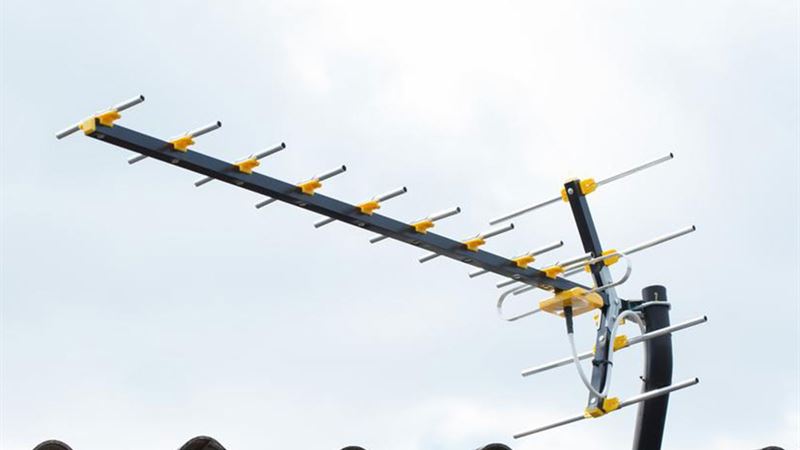
Setting up a television antenna can significantly enhance your TV viewing experience by providing access to a wide array of channels without the need for cable or satellite subscriptions. However, installing outdoor antennas can be a complex task, especially since they need to be positioned outside the house to receive signals effectively. Outdoor antennas usually consist of multiple elements, including several directors that focus signals toward the receiver. The number of directors greatly affects the picture quality; more directors usually translate into clearer images and better reception. When considering the purchase of a TV antenna, it’s essential to explore various options available online to find the most suitable one based on your preferences and environment. E-commerce platforms and electronics stores offer a broad selection categorized by antenna type, brand, range, condition, features, color, and price. Many online vendors also provide free shipping and doorstep delivery to enhance your shopping convenience.
Optimizing your antenna installation involves careful planning and a few fundamental tips to ensure a successful setup. Proper installation can mean the difference between a poor signal and crystal-clear TV reception. Here’s a detailed guide to help you install your TV antenna effectively, safely, and for long-term performance.
Effective Tips for Mounting Your TV Antenna
- Choose the Right Location: The best place to install your antenna is outdoors or in the attic of your house. These locations provide the unobstructed space needed for the antenna to pick up signals efficiently. Mounting the antenna outside, such as on the roof or a high tower, maximizes signal reception by reducing obstructions like trees or buildings. Attic installations can also be effective if your attic is not heavily insulated or filled with metal components that could interfere with signals.
- Height Matters: Installing the antenna at a higher elevation improves signal strength and quality. Use tall masts or poles to elevate your antenna well above the roofline or surrounding structures, ensuring it has a clear line of sight to broadcast towers.
- Avoid Obstacles: When setting up your antenna, be mindful of obstacles such as skyscrapers, dense trees, or other large structures that could block signals. Positioning the antenna in a spot with minimal obstructions is crucial for optimal reception.
- Signal Boosters: To enhance reception, consider using RF amplifiers or TV boosters. These devices amplify weak signals received by the antenna, providing a clearer picture and more stable signal quality.
Safety Precautions for Installing Your TV Antenna
- Lightning Safety: TV antennas are conductive and can attract lightning. Therefore, always install a lightning arrestor to protect your equipment and maintain safety during thunderstorms.
- Proper Mast Installation: Ensure the antenna mast or pole is securely installed and properly galvanized. Use stainless steel or galvanized materials to prevent rust and corrosion, reducing the need for insulators and minimizing structural instability.
- Safety at Heights: When working on rooftops or elevated areas, follow all safety guidelines strictly. Use harnesses, secure ladders, and work with a partner when necessary to prevent accidents.
In addition to antennas, a range of related accessories can improve your TV viewing experience. You can purchase universal remote controls, TV mounts, stands, or remote controls from electronics stores or online platforms. Before making any purchase, review product specifications, user reviews, and prices to ensure you select the best options suited to your needs.