
Ultimate Guide to Extending the Durability and Lifespan of Your Dress Shoes
This comprehensive guide provides detailed insights on selecting, maintaining, and caring for dress shoes to maximize their lifespan. Learn about leather types, construction methods, and care tips to ensure your footwear remains stylish and durable for years. Proper knowledge helps you make informed choices, saves money, and enhances your overall wardrobe. Whether you're investing in premium full grain leather shoes or maintaining your current collection, these expert tips help extend the life of your dress shoes significantly.
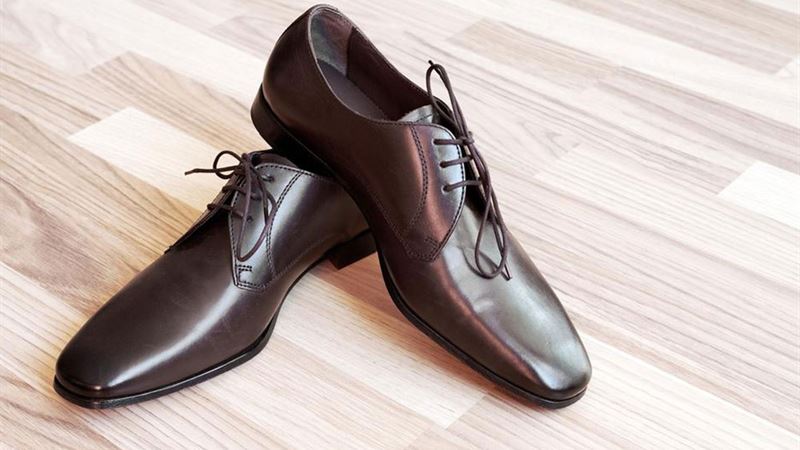
Choosing the Perfect Dress Shoes for Longevity: Selecting the right pair of dress shoes is essential not only for style but also for their longevity. There are several key factors to consider before making a purchase, ensuring your shoes remain in excellent condition over time. These include the type of leather used, the craftsmanship involved, and the construction method. By understanding these elements, you can make informed decisions that result in shoes that serve you well for years to come.
Leather Types That Age Gracefully: Most men's dress shoes are crafted from leather, which is renowned for its durability and classic appeal. Not all leather is created equal, and different types respond differently to wear and environmental factors. The two primary types of leather used in high-quality dress shoes are full grain leather and corrected leather, each with unique characteristics that impact their aging process and maintenance needs.
Full Grain Leather – The Premium Choice: Full grain leather is made from the top layer of the hide, which contains the strongest and most durable fibers. Since it undergoes minimal processing, the natural beauty of the leather remains intact. Full grain leather develops a rich patina over time, enhancing the shoe's character and appearance. If your budget allows, investing in shoes made from full grain leather is highly recommended because they tend to age beautifully and last longer with proper care.
Corrected Leather – A More Affordable Alternative: Corrected leather involves sanding away imperfections on the surface of the hide and often applying a uniform artificial grain. It may also be coated with sealants to give it a shiny finish. This type of leather can look appealing initially but tends to wear down faster, with the surface peeling or losing its shine with regular use. Men’s shoes made from corrected leather generally have a consistent appearance but lack the natural aging process seen in full grain leather.
Distinguishing Between Leather Types: Recognizing the difference between full grain and corrected leather is straightforward. Full grain leather exhibits variations in color and texture, with a deep, natural appearance. Corrected leather, by contrast, appears uniform, with an unnatural shine and even coloration across the shoe. Reputable manufacturers are transparent about their materials and will typically disclose the type of leather used, either on the tag or product description. Observing these details helps you select shoes that will age well and meet your durability expectations.
Understanding Shoe Construction Methods: The way a shoe is constructed significantly influences its lifespan and comfort. The construction process involves how the sole is attached to the upper part of the shoe, with different techniques offering varying degrees of durability and breathability.
Welted Construction – The Gold Standard: Seen as the hallmark of high-quality dress shoes, welted construction involves stitching a strip of leather, known as a welt, around the perimeter of the shoe’s upper and sole. This method allows the sole to be removable and resoled, extending the overall life of the shoe. Welted shoes tend to be more breathable and durable, making them ideal for those who want a long-lasting investment. While manufacturing welted shoes is labor-intensive and may cost more upfront, the increased longevity and ease of resoling make them a cost-effective choice in the long run.
Cemented Construction – An Economical Option: Cemented shoes are assembled by gluing the sole to the upper rather than stitching. This process is less labor-intensive and reduces manufacturing costs, making these shoes more affordable. However, they typically have a shorter lifespan, often lasting only a year or two with regular use before signs of wear appear. For casual or infrequent wear, cemented shoes can be a practical choice, but for those seeking durability, welted construction is preferable.
Additional Tips for Maintaining Dress Shoes: Proper care extends the life of your shoes significantly. Regularly clean your shoes to remove dirt and dust, use appropriate conditioners or polishes based on the leather type, and always store them in a cool, dry place. Applying a waterproofing spray can help protect against moisture, which is detrimental to leather. Rotating between multiple pairs can also prevent excessive wear on a single pair, while periodic resoling and reconditioning by a professional cobbler can restore worn shoes to near-new condition.
Summing Up: The Path to Longer-Lasting Dress Shoes: Investing in high-quality materials and construction methods is the foundation of durable dress shoes. Understanding the differences between leather types and construction techniques enables you to choose shoes that will age gracefully and withstand daily wear. Proper maintenance, including cleaning, conditioning, and correct storage, plays an equally vital role in extending the lifespan of your footwear. By following these guidelines, your dress shoes can remain stylish, comfortable, and functional for many years.
Remember, well-maintained shoes not only serve your aesthetic needs but also provide better foot health and overall comfort. Take the time to select quality shoes and care for them properly—you'll enjoy their benefits for a longer period than you might expect.