
Effective Home Remedies for Accelerated Blister Healing
Discover comprehensive natural remedies to heal blisters quickly and safely at home. Learn effective techniques such as Aloe Vera application, salt water soaks, apple cider vinegar disinfectant, and green tea soothe inflammation and promote faster skin regeneration. This guide provides detailed instructions and precautions to ensure proper blister care and quick recovery. Ideal for managing blisters caused by friction or minor burns, these remedies are accessible, affordable, and proven to alleviate pain and prevent infection. Empower yourself with knowledge for effective blister treatment at home.
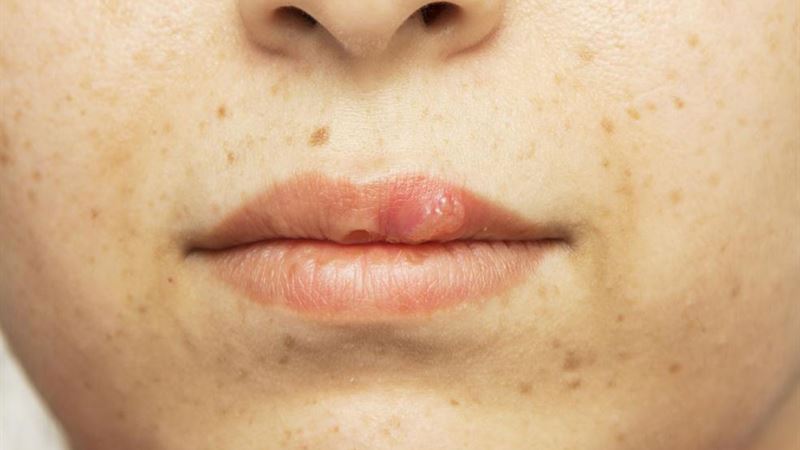
Blisters are a common skin issue that often appear on the feet, typically caused by friction from footwear or minor burns. Although usually not serious, they can be quite painful, especially when walking or engaging in daily activities. Learning how to heal blisters efficiently using home remedies can alleviate discomfort and promote faster healing without needing medical intervention. This comprehensive guide explores proven natural treatments and remedies you can easily apply at home to soothe and treat blisters effectively.
Blisters generally develop when the skin's outer layer separates from the underlying tissue due to friction, heat, or irritation, leading to fluid accumulation. While they can occur anywhere on the body, feet remain the most susceptible area due to ill-fitting shoes or prolonged walking. Addressing blisters promptly is crucial to prevent infection and reduce pain. Fortunately, several home remedies have stood the test of time for their soothing and healing properties, offering a safe and accessible way to manage this common skin problem.
Below are some highly effective home remedies for healing blisters, along with tips on their proper application and precautions to take:
- Aloe Vera – Known as a versatile plant with unmatched healing abilities, aloe vera is a go-to natural remedy for skin ailments including blisters. Its anti-inflammatory properties help reduce redness, swelling, and pain associated with blister formation. To use it, extract fresh gel from an aloe vera leaf and apply it directly to the affected area. The gel forms a protective layer, hydrates the skin, and encourages quick regeneration. For best results, repeat application 2-3 times daily, especially after cleaning the blister area.
- Salt Water Soak – Soaking a blister in salt water can aid in preventing infection and promoting healing. Prepare a saline solution by dissolving a teaspoon of salt in a bowl of warm water. Gently immerse the blistered area for about 10-15 minutes. The salt helps draw out moisture, reduce bacteria, and soothe inflammation. Avoid aggressive scrubbing; instead, gently rinse and pat dry before applying other remedies or covering the blister with sterile bandages.
- Apple Cider Vinegar – This natural antibacterial agent can prevent bacterial infections that often complicate blister healing. Dilute apple cider vinegar with an equal amount of water to minimize discomfort and stinginess. Apply it carefully to the blistered area using a cotton ball or swab. Be cautious—undiluted vinegar can cause irritation or a painful burning sensation. Rinse off with cold water if irritation occurs. Use this remedy once or twice daily, especially if signs of infection appear.
- Green Tea – Rich in anti-inflammatory compounds, green tea offers soothing relief to inflamed blistered skin. Brew a cup of green tea, allow it to cool slightly, then soak a clean cloth or tea bag in the tea. Gently place it over the blister for 5-10 minutes. Alternatively, wash the affected area with green tea-infused water for added benefits. Consistent application helps reduce swelling and promotes healing while preventing further irritation.
While implementing these natural remedies can significantly accelerate healing and ease discomfort, it remains essential to monitor the blister's progress. Should the blister show signs of infection, such as increased redness, pus, or persistent pain, seek immediate medical attention. Proper hygiene, regular cleaning, and avoiding further friction or trauma are key to a swift recovery. Remember, maintaining a clean environment around the blister and keeping it protected with sterile dressings can prevent complications and facilitate healing.
In conclusion, understanding how to effectively treat blisters at home using simple, natural remedies empowers you to manage minor skin injuries safely and comfortably. These remedies are affordable, accessible, and free from harsh chemicals, making them ideal choices for everyday care. Always practice caution and consult healthcare professionals if symptoms worsen or if you are uncertain about the severity of the blister. By following these guidelines, you can reduce pain, prevent infection, and enjoy faster healing naturally.