
Effective Strategies for Home Management of Hematomas
Learn comprehensive methods to treat hematomas at home, including dietary tips, natural remedies, and precautionary measures. This guide helps accelerate healing, reduce swelling, and identifies when to seek medical care, ensuring a safe and effective recovery process.
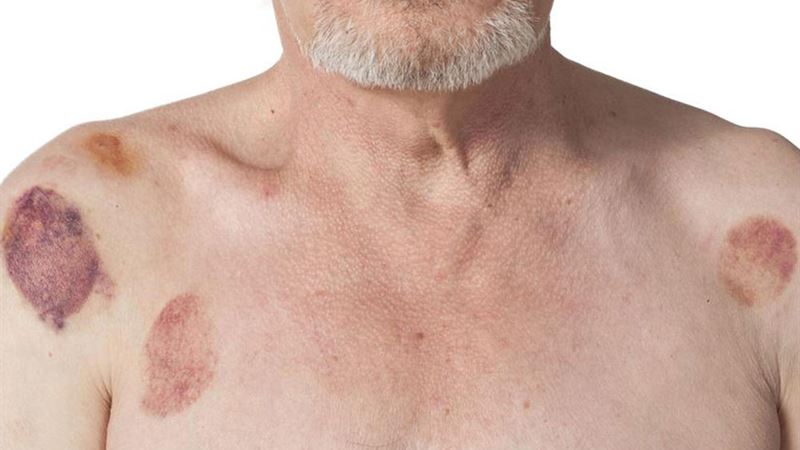
The initial step in managing a hematoma is understanding the underlying causes and early signs. Common causes include blunt trauma, falls, sports injuries, or surgical procedures. Symptoms typically include swelling, tenderness, discoloration, and sometimes discomfort or stiffness in the affected area. Early intervention can mitigate the size of the hematoma and prevent further complications.
Dietary Strategies to Accelerate Hematoma Healing
Nutrition plays a pivotal role in repairing damaged tissues and reducing inflammation. A balanced diet rich in specific nutrients can speed up recovery and improve skin integrity.
- Vitamin C: Known for its antioxidant properties, Vitamin C is essential for collagen synthesis and tissue repair. Consuming citrus fruits such as oranges, grapefruits, lemons, as well as strawberries, kiwi, papayas, bell peppers, pineapple, and broccoli can boost your body's healing capacity. Ensuring an adequate intake of Vitamin C helps decrease bruising and promotes faster skin regeneration.
- Protein: Proteins are the building blocks for tissue repair. Integrate high-quality protein sources like poultry, eggs, fatty fish such as salmon and sardines, and lean meats into your diet. Vegetarians can rely on plant-based options like beans, lentils, quinoa, tofu, nuts, and seeds to meet their protein needs. Adequate protein consumption supports the regeneration of damaged cells and tissues in the hematoma site.
- Vitamin K: Vital for blood clotting and preventing excessive bleeding, Vitamin K-rich foods include spinach, kale, parsley, raw turnips, cabbage, broccoli, and Brussels sprouts. Including these in your meals can help facilitate proper clot formation and reduce hematoma size. Dairy products and eggs also contain moderate amounts of Vitamin K, supporting overall blood health.
Hydration and Lifestyle Adjustments
Staying well-hydrated is fundamental during recovery. Proper hydration helps maintain blood circulation and supports tissue repair processes. Avoid caffeinated drinks, alcohol, and sugary beverages, as they may impair healing. Instead, opt for herbal teas, fresh fruit juices without added sugar, and plenty of water.
Additionally, avoid activities that may aggravate the injury. Rest is crucial in the initial stages; limit movement and strenuous activity to prevent further bleeding and swelling.
Home Remedies and Therapeutic Measures
Several time-tested home remedies can help alleviate symptoms and promote faster healing of hematomas.
- Rest: Ensure you get sufficient rest for at least one to three days post-injury. This reduces strain on the affected area, preventing additional bleeding.
- Ice Therapy: Applying cold packs to the hematoma can decrease swelling, numb pain, and slow internal bleeding. Wrap ice in a cloth or towel to prevent skin frostbite. Apply for 15-20 minutes every hour during the first 24-48 hours after injury.
- Compression: Use a soft elastic bandage to apply gentle pressure over the hematoma. The compression helps minimize swelling and restricts blood flow to the area, preventing further blood leakage. Ensure the bandage is snug but not too tight to avoid impairing circulation.
- Elevation: Elevate the injured limb, if possible, above heart level. Elevation reduces blood flow to the affected area and helps drain accumulated blood, decreasing swelling and pain. Use pillows or cushions to keep the limb elevated comfortably.
Beyond these remedies, consider gentle massage once swelling subsides to encourage blood flow and clearance of the hematoma. Regularly monitor the area for changes, and consult a healthcare professional if signs of infection, persistent pain, or increasing size occur.
Precautions and When to Seek Medical Help
While many hematomas can be managed at home, certain situations demand prompt medical attention. Seek professional evaluation if:
- The hematoma enlarges rapidly or becomes extremely painful.
- You notice signs of infection, such as redness, warmth, or pus.
- There is persistent swelling despite home care.
- The hematoma is associated with severe bruising or occurs after major trauma or surgery.
- You're experiencing symptoms like dizziness, weakness, or difficulty moving the affected limb.
In some cases, a doctor may need to drain the hematoma, prescribe medications, or investigate underlying issues such as bleeding disorders.
Prevention Tips for Hematoma Formation
Preventing future hematomas involves minimizing risk of trauma and maintaining overall vascular health. Strategies include:
- Using protective gear during sports or physically demanding activities.
- Being cautious around sharp objects and uneven surfaces.
- Maintaining a balanced diet rich in vitamins K, C, and proteins.
- Regular exercise to promote good circulation and vascular strength.
- Managing chronic conditions like hypertension or bleeding disorders under medical supervision.
In conclusion, effective management of hematomas at home involves a combination of proper nutrition, targeted remedies like RICE therapy, and lifestyle adjustments. Understanding the signs of complications ensures timely medical intervention, improving outcomes and reducing recovery time. Always consult healthcare professionals for accurate diagnosis and personalized treatment plans.