
Comprehensive Guide to Effectively Managing Hemorrhoids and Relieving Discomfort
Discover comprehensive strategies for managing hemorrhoids effectively. Learn about symptoms, home remedies, dietary tips, and surgical options to find relief and prevent recurrence. This detailed guide helps you understand when to seek medical help and how to maintain comfort through lifestyle adjustments.
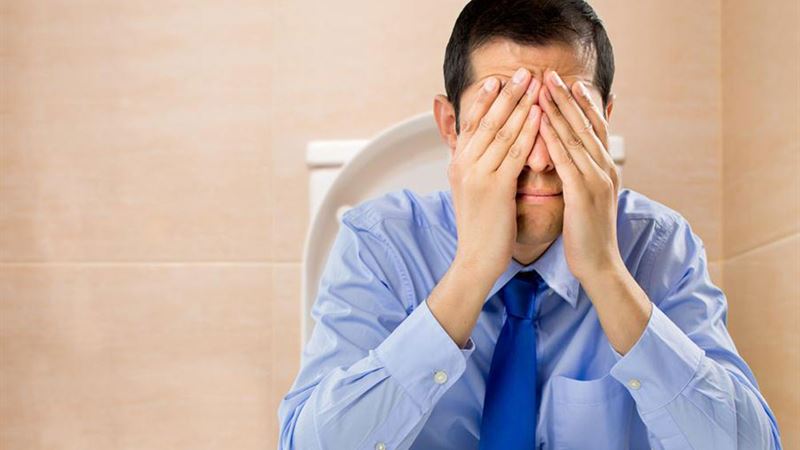
Hemorrhoids are a common condition that can cause significant discomfort and pain. They occur when blood vessels around the anal canal swell or become inflamed. Knowing how to identify symptoms and choose appropriate treatments is essential to managing this condition effectively. In this detailed guide, we explore the types of hemorrhoids, their symptoms, prognosis, and various treatment options, from home remedies to surgical interventions. Whether you are experiencing mild symptoms or severe complications, understanding your condition helps you make informed decisions for relief and recovery.
Large internal hemorrhoids may lead to a sensation of fullness or pressure in the rectal area, often accompanied by discomfort during bowel movements. External hemorrhoids, characterized by bluish lumps visible around the anus, can be particularly painful, especially if they rupture or develop blood clots. These clots, known as thrombi, cause severe pain, swelling, and inflammation, creating a hard lump that can be felt near the anal opening. Over time, resolved external hemorrhoids may leave loose skin tags that are often harmless but can sometimes be bothersome or aesthetically unpleasing.
One of the primary symptoms of hemorrhoids is the presence of a hard lump around the anus, which comprises a blood clot in thrombosed external hemorrhoids. Patients often report persistent feelings of fullness that linger even after bowel movements, accompanied by bleeding with stool, irritation, itching, and a discharge of mucus during defecation. The pain associated with hemorrhoids can range from mild discomfort to severe agony, especially if the hemorrhoids are enlarged or thrombosed. Swelling around the anal area is also common, contributing to further discomfort and a sense of swelling or bulge.
Managing hemorrhoids effectively involves recognizing their symptoms early and adopting appropriate remedies to prevent worsening. Applying a small amount of petroleum jelly around the anus can reduce friction and pain during bowel movements. It is crucial to avoid straining or forceful bowel movements, which can exacerbate the problem. Instead, using over-the-counter creams or ointments designed for hemorrhoid relief can alleviate symptoms and promote healing. Maintaining proper hygiene and regular cleaning of the anal area also helps prevent additional irritation and inflammation.
Diet plays a vital role in managing hemorrhoids. Consuming a fiber-rich diet, including fruits, vegetables, whole grains, and legumes, helps soften stool and promote smooth bowel movements. Adequate hydration is equally important to prevent constipation and reduce straining during defecation. Regular physical activity, such as walking or moderate exercise, stimulates bowel function and prevents the development of constipation, a common aggravating factor for hemorrhoids.
Home remedies such as sitz baths—warm water baths that cover the anal area—offer soothing relief from swelling and irritation. Applying cold packs can reduce inflammation and numb pain temporarily. Topical over-the-counter creams containing ingredients like hydrocortisone or witch hazel can relieve itching and discomfort. For external hemorrhoids with blood clots causing intense pain, medical intervention may be necessary, including minor surgical procedures to remove the clot.
Surgical options are recommended when hemorrhoids cause persistent symptoms or become severely painful despite conservative management. One such procedure is stapled hemorrhoidopexy, a technique that repositions prolapsed internal hemorrhoids by stapling them back to their original location. This approach generally causes less post-operative pain and allows quicker recovery compared to traditional surgery. However, it is associated with a higher chance of recurrence, and its long-term effectiveness remains under evaluation.
Hemorrhoidectomy, the surgical removal of hemorrhoids, is often the definitive treatment for severe or refractory cases. During this procedure, the affected blood vessels and hemorrhoidal tissue are excised through carefully placed incisions, typically under general anesthesia. Hemorrhoidectomy is effective in permanently reducing symptoms and preventing recurrence, although it involves a longer recovery period and some post-operative discomfort. Both internal and external hemorrhoids can be removed surgically, with a very low likelihood of the problem returning if the procedure is performed properly.
In addition to surgical options, minimally invasive techniques like rubber band ligation may be performed for internal hemorrhoids. This method involves placing a tight rubber band around the base of the hemorrhoid to cut off its blood supply, leading to scar tissue formation and eventual shrinkage. This outpatient procedure is relatively simple, with minimal discomfort and quick recovery, making it suitable for certain cases of internal hemorrhoids.
Ultimately, the management of hemorrhoids depends on the severity and individual patient factors. Conservative treatments such as diet modifications, topical therapies, and lifestyle changes are effective for mild to moderate cases. Severe or recurrent hemorrhoids, especially those causing significant pain, bleeding, or complications, often require surgical intervention. Consulting a healthcare professional for an accurate diagnosis and personalized treatment plan is essential to ensure effective relief and prevent complications.
Remember, early diagnosis and proper management play critical roles in minimizing discomfort and preventing the progression of hemorrhoids into more serious conditions. With the right combination of home remedies, lifestyle changes, and medical treatments, most patients find effective relief and return to a comfortable, symptom-free life.