
Essential Clothing Tips for Safe and Comfortable Mountain Biking Adventures
Discover comprehensive tips on mountain biking clothing, from layering to protective gear, ensuring safety, comfort, and performance on all terrains. Learn how to choose the right apparel for varying weather and trail conditions to enhance your riding experience and safety.
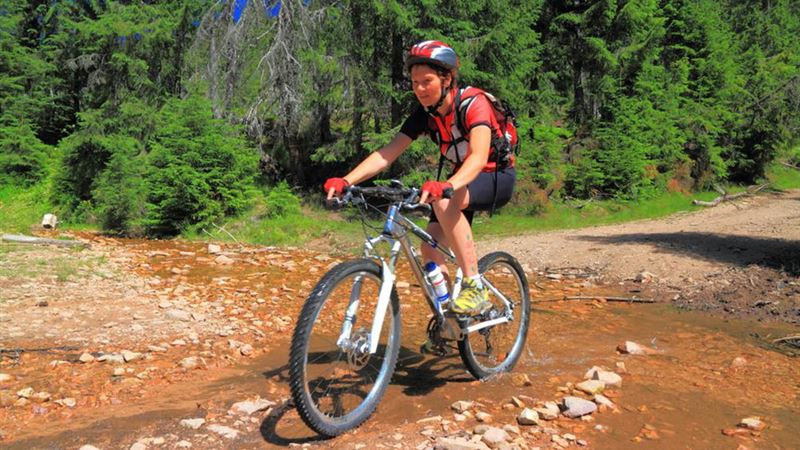
Embarking on a mountain biking excursion requires careful preparation, especially when it comes to clothing. Proper gear not only enhances your riding experience but also ensures safety and comfort in challenging terrains. From insulating layers for cold weather to protective accessories, understanding the right clothing essentials is vital for every rider. This comprehensive guide covers everything you need to know about dressing appropriately for mountain biking, whether you’re a novice or an experienced rider seeking upgrades.
- Layering for Cold Weather and Extremes
The foundation of any effective mountain biking wardrobe is proper layered clothing. This approach provides flexibility, ensuring you stay warm during chilly mornings and cool down as your ride intensifies or temperatures rise. Start with moisture-wicking base layers that keep sweat away from your skin, preventing chills and discomfort. Synthetic fabrics like polyester or merino wool are excellent choices for these inner liners because they dry quickly and maintain insulation even when damp.
For insulating layers, consider lightweight fleeces or down jackets designed for outdoor sports. These should be breathable yet capable of trapping heat. In cold climates or winter rides, additional windproof and waterproof outer shells protect against wind chill and precipitation, keeping you dry and warm during extended periods on the trail.
- Protective Lower Body Gear
When it comes to lower body protection, riding shorts are popular for their comfort and freedom of movement. Cross-country racers often prefer tight-fitting padded shorts that offer support and reduce chafing, while trail riders might opt for loose, breathable shorts for comfort. Wearing moisture-wicking jerseys that dry swiftly and resist odors enhances overall comfort during ride sessions.
Pairing your shorts with durable socks and waterproof shoe covers provides additional warmth and protection against the elements. High-quality socks made from merino wool or synthetic fibers help keep your feet dry and warm, preventing blisters and numbness, especially during long rides or in cold conditions.
- Essential Hand Protection with Gloves
Gloves play a crucial role in mountain biking, offering grip, control, and protection. Based on climate and riding style, riders can choose between full-fingered gloves for cold conditions or fingerless variants for enhanced dexterity in warmer weather. Look for gloves with padded palms to absorb shocks and reduce fatigue, especially during rough terrains.
In more technical and extreme terrains, armored gloves with knuckle protection or reinforced palms are common to prevent injuries in case of falls. Selecting gloves that fit well, are breathable, and allow for good finger mobility is key to maintaining control and ensuring safety on the trail.
- Headgear: Helmets for Safety and Comfort
Helmets are non-negotiable safety gear for mountain biking. The design differs significantly from regular road helmets, focusing on increased coverage in critical areas and enhanced ventilation. An optimal mountain biking helmet should fit snugly, provide ample airflow, and secure well under chin straps. Look for helmets with adjustable visors to shield your eyes from sun, mud, and debris.
Full-face helmets offer superior protection for downhill and racing rides, shielding the face and jaw during high-impact scenarios. Ventilation holes enable heat dissipation, preventing overheating during strenuous climbs. Proper helmet fit is essential; a helmet that shifts or feels uneasy can compromise safety.
Additional protective pads, such as knee and elbow guards, can further minimize injury risks, especially on rocky terrains or when attempting technical tricks. Remember, safety gear is an investment in your well-being; choose trusted brands and ensure proper fitting before hitting the trail.
Whether you're a rookie or a seasoned mountain biker, equipping yourself with appropriate clothing and protective gear is fundamental to a successful adventure. Never underestimate the importance of preparation—proper gear allows you to enjoy the ride while staying safe and comfortable, no matter the trail conditions. Always check weather forecasts, trail difficulty, and your own skill level when planning your outfit to maximize safety and enjoyment.