
Mastering Kegel Exercises: Complete Guide for Optimal Pelvic Health
This comprehensive guide covers effective Kegel exercise techniques, the importance of consistency, and innovative ways like biofeedback and gamification to maximize results. Learn how to strengthen your pelvic muscles for better bladder control and overall health through practical tips and emerging technology.
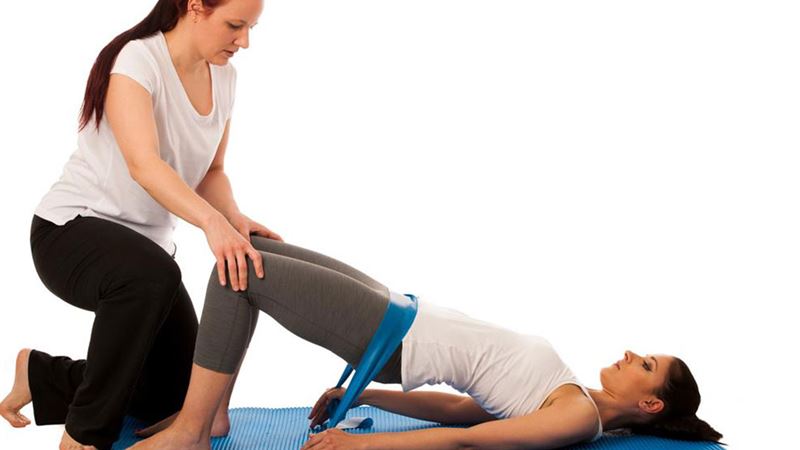
To effectively perform Kegel exercises, it's crucial to isolate your pelvic floor muscles without engaging your abdominal, thigh, or buttock muscles. Focus on contracting and relaxing these core muscles to strengthen your pelvic region. Start by squeezing these muscles gently and hold the contraction for a few seconds, gradually increasing the duration as you get more comfortable. Consistency is key—aim to incorporate Kegel routines into your daily schedule for best results.
Begin with a manageable goal, such as squeezing and holding the muscles for three seconds, then rest. Each week, add an additional second to your hold until reaching ten seconds per squeeze. Repeat the exercises multiple times throughout the day—at least three sessions per day, with each session including 10 to 15 repetitions. Avoid doing Kegel exercises during urination, as this can interfere with bladder function and lead to inefficiency or discomfort.
Regular practice is essential for noticeable improvements. If after four months of consistent effort you do not observe any changes, consulting a healthcare professional is advisable. They can assess your technique or suggest specialized exercises tailored to your needs.
Enhancing the effectiveness of your Kegel exercises can be achieved through biofeedback techniques. Utilizing biofeedback devices allows you to monitor muscle engagement accurately, ensuring you’re performing the exercises correctly. These devices can provide auditory, visual, or tactile cues to confirm proper muscle activation.
An innovative approach to motivate and improve Kegel exercises involves gamification. For example, the Smart Kegel Exercise Aid (Skea) app combines pelvic training with interactive gaming. It features a game named "Alice in Continent," where you assist a character called Alice in navigating obstacles by contracting your pelvic muscles.
The device connected to the app provides real-time biofeedback through gentle pulses or visual cues, guiding you on proper muscle engagement as you play. When executed correctly, the game’s character advances, providing motivation and making the exercise session more engaging. This gamified method has shown promising results in encouraging regular practice, especially among women looking for a fun way to maintain pelvic fitness.
The development of such interactive tools is still underway, with the latest models expected to become available soon. Incorporating these modern techniques can significantly enhance your Kegel exercise routine, helping you achieve better pelvic health, improved bladder control, and enhanced sexual function.
Begin with a manageable goal, such as squeezing and holding the muscles for three seconds, then rest. Each week, add an additional second to your hold until reaching ten seconds per squeeze. Repeat the exercises multiple times throughout the day—at least three sessions per day, with each session including 10 to 15 repetitions. Avoid doing Kegel exercises during urination, as this can interfere with bladder function and lead to inefficiency or discomfort.
Regular practice is essential for noticeable improvements. If after four months of consistent effort you do not observe any changes, consulting a healthcare professional is advisable. They can assess your technique or suggest specialized exercises tailored to your needs.
Enhancing the effectiveness of your Kegel exercises can be achieved through biofeedback techniques. Utilizing biofeedback devices allows you to monitor muscle engagement accurately, ensuring you’re performing the exercises correctly. These devices can provide auditory, visual, or tactile cues to confirm proper muscle activation.
An innovative approach to motivate and improve Kegel exercises involves gamification. For example, the Smart Kegel Exercise Aid (Skea) app combines pelvic training with interactive gaming. It features a game named "Alice in Continent," where you assist a character called Alice in navigating obstacles by contracting your pelvic muscles.
The device connected to the app provides real-time biofeedback through gentle pulses or visual cues, guiding you on proper muscle engagement as you play. When executed correctly, the game’s character advances, providing motivation and making the exercise session more engaging. This gamified method has shown promising results in encouraging regular practice, especially among women looking for a fun way to maintain pelvic fitness.
The development of such interactive tools is still underway, with the latest models expected to become available soon. Incorporating these modern techniques can significantly enhance your Kegel exercise routine, helping you achieve better pelvic health, improved bladder control, and enhanced sexual function.