
Comprehensive Guide to Establishing Healthy Eating Routines for Your Dog
Learn how to cultivate healthy eating habits for your dog with our comprehensive guide. Discover proper feeding routines, the importance of balanced nutrition, avoiding harmful treats, and tailoring diets for different life stages. Expert advice helps pet owners ensure their furry friends stay healthy and active. From portion control to vet consultations, this extended guide provides everything you need to promote your dog’s well-being through proper nutrition, supporting a long, happy life for your beloved pet.
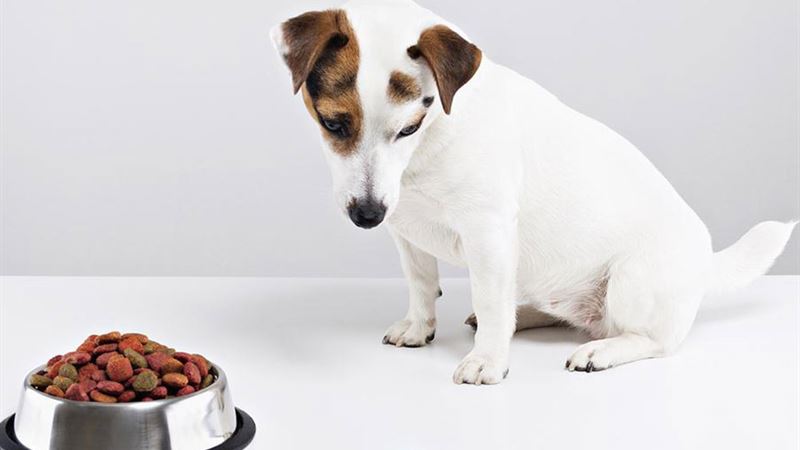
Ensuring your canine companion maintains a balanced and nutritious diet is essential for their overall health and longevity. Proper feeding practices involve understanding the nutritional needs of dogs, recognizing common dietary pitfalls, and implementing habits that promote optimal health. In this extensive guide, we will explore effective strategies to develop healthy eating routines for your dog, including portion management, choosing suitable foods, avoiding harmful treats, and tailoring diets for different life stages. This detailed information aims to support pet owners in making informed decisions to foster their dog’s well-being.
Healthy feeding habits start with understanding the importance of consistent meal schedules. Avoid giving snacks between meals, as this can lead to unwanted weight gain and nutritional imbalance. If your dog is not finishing their meal, it might be a sign of overfeeding or that the food isn’t suitable. Pay attention to their eating behavior and consult your veterinarian if you notice any irregularities, such as discomfort or vomiting after meals. Your vet can help identify underlying issues and recommend appropriate dietary adjustments.
Another critical aspect is the concept of free choice feeding—allowing your dog to decide when to eat within a designated timeframe. This approach requires discipline from pet owners but can encourage natural eating patterns and reduce stress. However, it’s vital to monitor the quantity consumed to prevent overeating, especially in breeds prone to obesity. Establish clear routines and ensure that your dog’s meal portions are adequate but not excessive.
Understanding the essential nutrients your dog needs is fundamental for their health. Dogs require a balanced mix of proteins, fats, carbohydrates, vitamins, minerals, and fresh water. Puppies, in particular, have different nutritional requirements compared to adult dogs, necessitating specialized diets for growth and development. If you choose commercial dog food, always scrutinize the nutritional label to ensure it meets industry standards and suits your pet’s age and breed. Consulting a veterinarian can help you select the most appropriate food products tailored to your dog’s unique needs.
Vets play a vital role in determining the optimal diet for your canine companion. Regular veterinary consultations enable you to customize your dog’s diet based on health conditions, breed-specific sensitivities, and life stage. Certain foods, such as chocolate, grapes, onions, and foods high in fats or sugar, must be completely avoided as they are toxic to dogs. Large breeds often have delicate digestive systems, requiring specially formulated diets to prevent gastric issues. Your vet can guide you toward safe and nutritious food choices, ensuring your pet maintains a healthy weight and good digestion.
Preventing obesity is crucial for your dog’s health, as excess weight can lead to cardiovascular issues, joint problems, and reduced lifespan. Implement a restricted diet or adjust portion sizes to maintain an ideal weight. Avoid giving high-calorie treats or table scraps, especially during dinner time. For instance, keeping your dog out of the dining area during family meals can help control calorie intake and establish healthy boundaries. Consistent portion control and vigilant monitoring play significant roles in avoiding obesity.
Older dogs require special dietary considerations, often needing lower-calorie foods with added nutrients to support aging joints, organ function, and immune health. Regular vet checkups are essential to determine any specific dietary modifications needed for senior dogs. Incorporate ingredients rich in omega-3 fatty acids, fibers, and antioxidants, and make adjustments based on your pet’s health status. Proper nutrition can significantly enhance the quality of life and longevity of your aging furry friend.
In summary, developing healthy eating habits for your dog involves a combination of consistent routines, nutrient-rich diets, veterinary guidance, and mindful treat management. By understanding your dog’s unique needs and making informed choices, you can ensure a happy, healthy life for your pet. Remember, a well-fed dog is not just about avoiding health problems but also about nurturing their happiness and vitality for years to come.