
Essential Guidelines for Safe and Effective Use of Portable Oxygen Concentrators
This detailed guide covers essential safety tips and advantages of using portable oxygen concentrators. It explains potential hazards like fire, injuries, and contamination while highlighting safety features of modern devices such as pulse dose delivery. Proper handling, maintenance, and precautions ensure safe and effective oxygen therapy, enhancing quality of life for users with respiratory conditions. The article emphasizes taking proactive safety measures, understanding device functionalities, and eliminating risks, allowing users to maximize benefits when using portable oxygen concentrators with confidence and peace of mind.
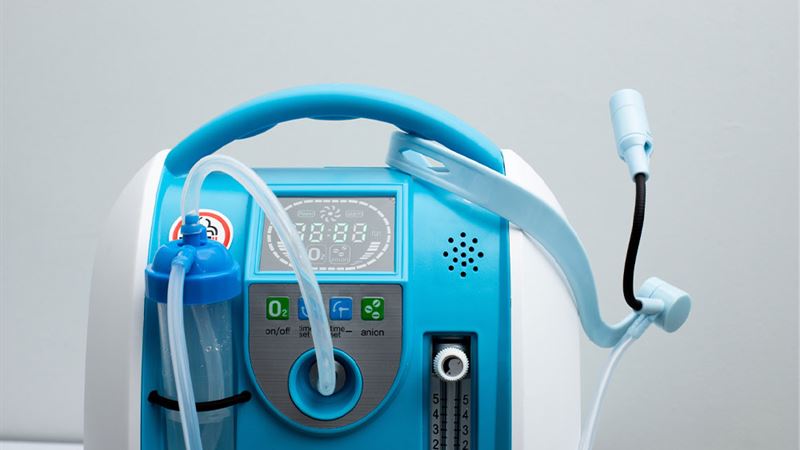
Oxygen is a highly combustible gas, which means that even tiny sparks or heat sources can ignite fires when oxygen is present. Therefore, users must exercise extreme caution to prevent fire accidents. It’s imperative not to smoke near the device and to keep it away from open flames, such as gas stoves, fireplaces, or candles. Never place the concentrator close to heating appliances, and avoid smoking in the vicinity. Regularly inspect the device and its connections to detect any signs of damage or leaks that could increase fire risk.
Portable oxygen concentrators contain high-pressure components and stored oxygen, which, if damaged or mishandled, can pose injury risks. Dropping or striking the device may cause it to rupture or become dangerous projectiles, leading to bodily harm. Always handle the concentrator with care and avoid rough movements. When moving the device, lift it using the designated handles and ensure the device is turned off or properly secured during transit. Regular maintenance checks for cracks or damages are essential for safety.
Proper hygiene is vital to prevent infections and maintain device efficiency. Clean or replace nasal cannulas and tubing as recommended by manufacturers to prevent bacteria buildup. Hands should be washed thoroughly before handling the device or accessories. Avoid sharing oxygen delivery parts with others, and store the device in a clean, dry place to minimize dust and fungal contamination.
Both excessive and insufficient oxygen can be life-threatening. Always use oxygen as prescribed by your healthcare provider. Overuse can lead to oxygen toxicity, damaging your lungs and other tissues, while underuse might result in hypoxia. Follow the dosage and timing instructions strictly, and regularly monitor your oxygen levels using a pulse oximeter if advised. Never adjust oxygen settings independently without consulting your doctor.
Despite potential risks, portable oxygen concentrators are considered safe due to their advanced design. They generate medical-grade oxygen just like traditional oxygen tanks but with added technological safety features. One of the key innovations is the ‘pulse dose delivery system,’ which detects when you breathe in and supplies oxygen accordingly. This system conserves energy, prolongs battery life, and minimizes the risk of oxygen wastage.
Modern POCs are designed with safety as a priority. They have built-in alarms for low oxygen concentration, device malfunctions, or power issues, ensuring prompt alerts for users. The devices are compact, lightweight, and ergonomically structured for ease of use. Their small size reduces the risk of injury if accidentally bumped and allows discreet placement under clothing or under the arm, enhancing mobility.
Many portable concentrators include smart features such as auto shut-off when the device detects a fall or if the cannula is disconnected. These features help prevent oxygen leaks and reduce fire hazards. Battery management systems optimize power consumption, and built-in timers remind users when to replace filters or perform maintenance. Connectivity features allow remote diagnostics, ensuring any faults are promptly addressed by healthcare providers or technicians.
- Properly Fit Masks and Cannulas: Ensure that masks fit snugly against your face, with no gaps that can allow air to escape. Adjust straps and nose clips to improve fit and oxygen delivery efficiency. If using a nasal cannula, position it correctly higher in your nostrils for better oxygen intake.
- Be Cautious in Wet Environments: Water and moisture can damage the device. Avoid exposing the concentrator to humidity or moisture, especially during bathing or in bathrooms. Use long tubing, and ensure your device is fully dry and in a safe space before operation.
- Maintain Safe Distance from Flammable Items: Keep the concentrator at least 10 inches from flames, heat sources, and combustible materials. Never operate it near open flames or while cooking.
- Avoid Confined Spaces: Do not place the device in small, enclosed areas where oxygen levels could deplete quickly, or heat might build up. Ensure good ventilation around the device during operation.
- Limit Exposure to Pollutants: Stay away from polluted or allergen-rich environments. If contamination occurs, turn off the device, remove the cannula, and clean or replace parts as recommended.
Modern portable oxygen concentrators have revolutionized respiratory care by combining safety, convenience, and technological innovation. However, users must understand and implement safety measures diligently. Proper handling, regular maintenance, and awareness of safety features can significantly reduce risks like fire, injury, or contamination, enabling individuals with respiratory conditions to enjoy greater independence and quality of life.