
Comprehensive Insights into Modern Retail Point of Sale (POS) Systems
Explore a detailed guide on retail POS systems, covering essential hardware, software features, benefits, and tips for choosing the right solution. Learn how modern POS solutions can streamline operations, enhance customer experience, and promote business growth, making them indispensable tools for any retail enterprise aiming for efficiency and profitability.
- Core Hardware Components of Retail POS Systems
- Advanced Software Features and Functionalities
- Key Benefits of Implementing a POS System in Retail
- Strategies for Selecting the Ideal POS System for Your Business
- Future Trends in Retail POS Technology
Hardware Essentials for Retail POS
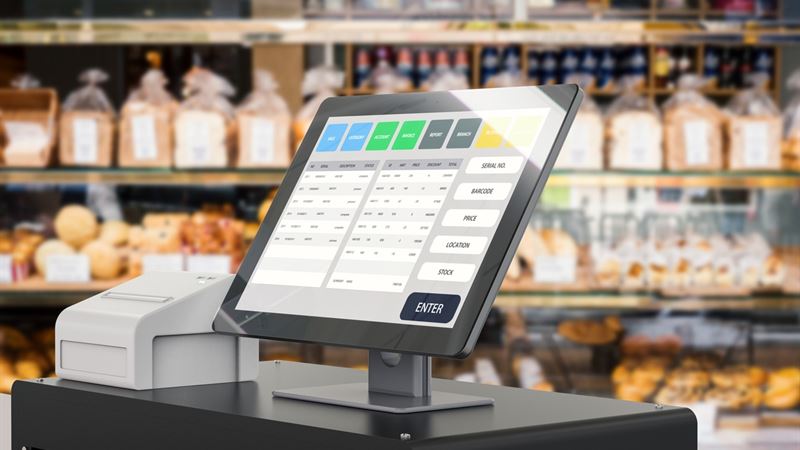
Modern retail POS systems leverage specialized hardware that enhances efficiency and security during sales transactions. Typical hardware includes barcode scanners that enable quick product identification, receipt printers for instant transaction confirmation, cash drawers that securely store currency, and integrated payment terminals compatible with credit/debit cards, contactless payments, and mobile wallets. These devices are designed to be durable, fast, and user-friendly, ensuring smooth checkout experiences for both staff and customers.
Besides the basics, many POS terminals now incorporate advanced features such as touchscreen interfaces, integrated scales for products sold by weight, and RFID or NFC readers for quick contactless payments. The choice of hardware depends largely on the retail environment—whether it's a small boutique, a bustling supermarket, or a large department store—each requiring tailored solutions to match operational demands.
Innovative Software Capabilities in Retail POS
Beyond hardware, the software component of modern POS systems is what truly transforms retail operations. These platforms are equipped with a suite of features aimed at optimizing store management processes:
- Sales Processing: Facilitates quick and accurate transaction handling, including barcode scanning, applying discounts, calculating taxes, and supporting multiple payment options like card, cash, and digital wallets.
- Inventory Control: Offers real-time stock level tracking, automated reorder points, and detailed inventory reports to prevent stockouts or overstock situations.
- Customer Relationship Management (CRM): Stores detailed customer data, purchase histories, and preferences to enable personalized marketing and loyalty programs.
- Reporting and Analytics: Generates insightful reports on sales performance, profit margins, inventory turnover, and staff efficiency—data crucial for strategic decision-making.
- Employee Management: Tracks working hours, manages schedules, and assesses individual sales contributions, helping optimize labor costs and improve staff productivity.
- Integrations and Compatibility: Seamlessly connects with accounting software, e-commerce platforms, and marketing tools to create a unified business ecosystem.
These features combine to create a comprehensive platform capable of handling complex retail tasks while reducing manual work, minimizing errors, and enhancing overall operational flow.
Key Advantages of Retail POS Adoption
Implementing a modern POS system brings tangible benefits that impact every aspect of retail commerce:
- Operational Efficiency: Automates routine tasks such as sales tracking, inventory updates, and reporting, saving time and reducing human errors. This streamlining translates into faster checkout experiences and better staffing allocation.
- Superior Customer Experience: Quicker checkout processes, support for multiple payment methods, and personalized recommendations foster higher customer satisfaction, loyalty, and repeat business.
- Accurate Data Insights: Real-time analytics provide invaluable insights into sales trends, customer behavior, and inventory status, enabling proactive decision-making.
- Optimized Business Operations: Integration across sales, inventory, and financial management reduces operational complexity, lowers costs, and improves overall profit margins.
Guidelines for Choosing the Right Retail POS System
Selecting an appropriate POS system requires a thoughtful approach, considering specific business needs and future growth potential. Here are essential factors to evaluate:
- Business Size and Operational Scope: Smaller stores can suffice with basic, cost-effective systems, while larger businesses with multiple locations need scalable, feature-rich solutions.
- User-Friendliness: An intuitive interface minimizes training time and errors. Look for systems designed with easy navigation and minimal setup requirements.
- Scalability and Flexibility: The POS should grow alongside your business, accommodating increased transaction volumes, expanded inventory, and additional store locations without a hitch.
- Customer Support and Service: Reliable, accessible technical support ensures quick resolution of any issues that might arise, minimizing operational disruptions.
- Cost and Total Investment: Carefully evaluate hardware costs, software licensing, installation fees, and ongoing maintenance expenses. Prioritize solutions that offer good value without compromising essential features.
- Security Features: Prioritize systems that meet industry standards such as PCI DSS compliance, with end-to-end encryption and regular software updates to safeguard payment data and customer information.
Emerging Trends and Future Outlook
The POS landscape is continuously evolving, with technology innovations shaping the future of retail management. Trends to watch include:
- Artificial intelligence-driven analytics for predictive inventory management and personalized marketing.
- Integration of mobile POS devices for greater flexibility and on-the-go sales processing.
- Enhanced security protocols leveraging biometric authentication and blockchain for secure transactions.
- Cloud-based POS solutions that offer scalability, remote management, and lower upfront costs.
- Increased use of IoT devices to connect in-store equipment, inventory, and customer engagement tools seamlessly.
Adopting these innovations can provide retailers with a competitive edge, ensuring operational agility and improved customer satisfaction in an increasingly digital age.