
Comprehensive Guide to Gas Reward Credit Cards: Maximizing Savings and Benefits
Discover how gas reward credit cards can help you save money, manage fuel expenses effectively, and maximize rewards. Learn about their benefits, how to choose the right card, application tips, and potential drawbacks. This comprehensive guide provides insights for personal and business users to optimize fuel-related savings and make informed decisions in a competitive market.
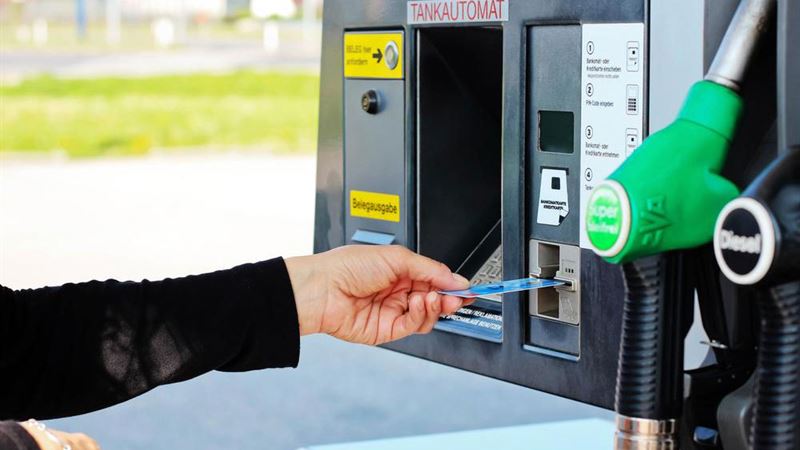
In the world of fuel expenses, consumers are always seeking ways to lower costs and maximize rewards. Gas reward credit cards have emerged as a popular solution, offering cashback, discounts, and points that can be redeemed for fuel or other purchases. While many stations feature their own branded cards, these often come with trade-offs like higher interest rates and limited flexibility. Conversely, major credit card brands such as Visa, Mastercard, and American Express also provide enticing rewards programs applicable to gasoline purchases, along with other benefits that extend beyond fuel savings.
The Significance of Gas Rewards Cards in Modern Finances
Managing fuel expenses effectively is crucial amidst rising energy costs. Gas reward cards provide consumers and business fleets alike an opportunity to minimize overall expenditure through cashback, discounts, and points accumulation. For business owners managing vehicle fleets, controlling fuel costs directly impacts profitability and operational efficiency. Additionally, leveraging these rewards for personal financial management can lead to significant savings over time. Not only do these cards help reduce immediate fuel costs, but they also often come with additional perks, such as discounts on vehicle maintenance or access to exclusive offers suited for automotive needs.
Understanding How Gas Reward Credit Cards Operate
Utilizing a gas reward credit card is straightforward. When paying for fuel at participating stations, simply use your card to earn rewards on each transaction. The specifics of rewards programs vary among issuers. Some cards offer a fixed percentage cashback on fuel purchases, while others provide tiered rewards that increase based on monthly spending thresholds. It is essential to scrutinize the terms and conditions to maximize benefits. Many cards have caps on the amount of rewards earned per period, so knowing these limits helps prevent disappointment. When it comes time to redeem rewards, options typically include statement credits, direct deposits to bank accounts, or gift cards that can be used for various purposes. Some cards even offer welcome bonuses, which can significantly boost initial savings and serve as incentives to choose one provider over another.
Application Process for Gas Reward Cards
Applying for a gas reward card is designed to be accessible and hassle-free. Prospective applicants can choose online applications, phone-based processes, or visit physical branches, depending on the provider. The required steps usually include filling out basic personal and financial information, followed by submitting documentation such as proof of identification, income verification, and sometimes employment details. To streamline approval, ensure that your credit score is in good standing and all personal data is accurate. Carefully review the eligibility criteria and terms of service before proceeding, as some providers may have specific requirements or restrictions.
Selecting the Ideal Gas Reward Program
Before applying, take ample time to research and compare different options. Not all reward programs are created equal; some may offer higher cashback rates but come with restrictions or higher fees. Consider what matches your fueling habits and financial goals. For instance, if you frequently visit a specific chain, their branded card may offer better benefits. Otherwise, major credit card providers often deliver versatile rewards that apply at multiple stations. Reading reviews and seeking advice from others can provide insight into the reliability and customer satisfaction of various programs. Don’t rush your decision — analyze the perks, fees, and redemption options thoroughly.
Thorough Market Research and Due Diligence
Every rewards card comes with its unique set of advantages and potential drawbacks. While many offer rebates per gallon or dollar spent, others may provide exclusive access to discounts at select gas stations or partner merchants. Features such as real-time balance tracking and spending controls can be very advantageous for fleet managers or cautious consumers. Prioritize what benefits align with your routine; for instance, if you value convenience, cards with mobile app management may be preferable. Conversely, if saving on fuel costs is your primary goal, look for programs with the highest cashback or lowest redemption thresholds. Conduct comprehensive research on providers’ terms, customer service reputations, and any associated fees to make an informed choice.
Potential Downsides of Gas Reward Credit Cards
While gas reward cards offer many benefits, they are not without limitations. Some may carry higher annual percentage rates (APR) compared to standard credit cards, and fees such as annual charges or transaction costs can diminish overall savings. Additionally, increased credit utilization might impact your credit score negatively if not managed carefully. It is also crucial to consider how recent credit applications could influence your credit history and your ability to qualify or secure favorable interest rates. Late payments or missed due dates can not only accrue penalties but also reduce or eliminate rewards earned. Before applying, perform a detailed cost-benefit analysis, considering how the card’s features align with your financial behavior and goals.
Enhancing Your Rewards Strategy with Multiple Credit Cards
If you already possess other credit cards that offer cashback or rewards, check if they include options for gas purchase discounts or bonus categories. Many popular credit cards allow customization of rewards programs to suit personal consumption habits. Be cautious about opening multiple accounts simultaneously, as it can temporarily impact your credit scores. Planning your reward strategy by balancing cards with different benefits can optimize savings without risking debt accumulation. Always pay balances in full to avoid high-interest charges that counteract your savings.
Emphasizing responsible credit use and diligent monitoring of your transactions can maximize your rebates and discounts over time. Remember to periodically review your reward programs to ensure they continue to meet your evolving needs and consider switching providers if better offers become available.