
Comprehensive Guide to Top Route Planning Software for Efficient Delivery Management
Discover the top route planning software options to enhance your delivery efficiency. This detailed guide covers free and paid tools, key features, and tips for selecting the perfect software to streamline operations, reduce costs, and ensure timely deliveries for small to large fleets.
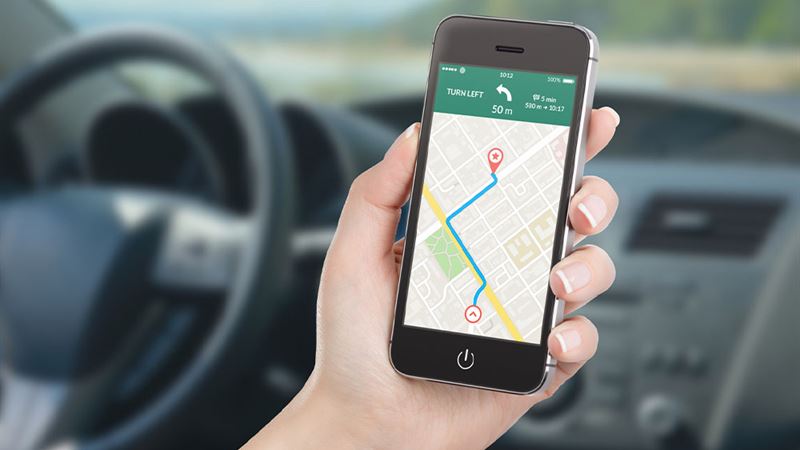
In today's fast-paced delivery landscape, selecting the right mapping and route planning software is crucial for enhancing operational efficiency, reducing costs, and improving customer satisfaction. Whether you manage a small fleet or oversee a large logistics operation, the ideal software can streamline your route planning, optimize delivery times, and provide critical real-time data to adapt to changing conditions. This comprehensive guide explores the top routing tools available, key features to consider, and how to choose software tailored to your business needs, ultimately aiming to revolutionize your delivery process.
The importance of advanced route planning software cannot be overstated in the modern transportation industry. Efficient route management reduces fuel consumption, lowers vehicle wear and tear, and minimizes delivery delays, all of which contribute directly to profit margins. Additionally, modern routing tools assist drivers on the ground with turn-by-turn navigation, real-time traffic updates, and dynamic rerouting—elements vital for maintaining punctual deliveries in unpredictable traffic conditions or adverse weather.
Choosing the right software involves multiple considerations: compatibility with existing devices, ease of use, flexibility in route adjustments, cost efficiency, and the integration of key data points like weather and traffic conditions. Carefully evaluating these aspects ensures your delivery operations remain competitive and responsive. This guide also highlights free options suitable for small-scale operations or occasional use, alongside premium solutions designed for larger fleets with complex needs.
To assist you in making an informed decision, we've compiled the top three free route planning software options, detailing their features, benefits, and limitations. These tools serve as excellent entry points for businesses seeking to optimize delivery routes without significant upfront investment, while paid options offer advanced functionalities such as multi-vehicle routing, detailed analytics, and extensive data integration. Read on to discover the best software for your delivery routes and how to leverage these tools for maximum efficiency.
Understanding Route Planning Software and Its Role
Route planning software is a digital tool designed to map out the most efficient path for deliveries based on various parameters like distance, duration, traffic, weather, and other logistical considerations. These tools employ algorithms to optimize routes, consider multiple stops, and adapt to real-time data inputs. This technology not only streamlines daily operations but also significantly enhances customer experience by ensuring punctual deliveries and transparent tracking capabilities.
For delivery-driven businesses, route planning software is indispensable. It decreases operational costs by reducing unnecessary mileage and fuel consumption. Furthermore, it empowers drivers with accessible, real-time navigation guidance, reducing confusion and potential errors. An effective mapping tool can also assist in labor management by estimating delivery times accurately and allocating resources more effectively.
Systems vary from basic map-based tools to comprehensive logistics platforms. While free solutions might suffice for small businesses or infrequent routes, larger operations require robust, scalable options capable of managing multiple vehicles, complex scheduling, and extensive data analytics.
Key Features to Look For in Route Planning Software
When evaluating route planning tools, certain features are critical for seamless and efficient delivery operations:
- Compatibility – Ensure the software integrates smoothly with your current operating systems, including both desktop and mobile devices. Compatibility across platforms allows ease of access and consistent use.
- Flexibility and Route Optimization – The software should offer multiple route options and allow dynamic rerouting for unforeseen circumstances like traffic delays or last-minute orders.
- Ease of Use – User-friendly interfaces are essential, especially if drivers are expected to operate the software with minimal training. Clear instructions and intuitive design expedite adoption.
- Cost Efficiency – Balance your operational needs with available budget. Compare free vs. paid options considering features and scalability.
- Data Integration and Real-Time Tracking – Incorporate data about traffic, weather, delivery history, and customer locations to enhance route accuracy and responsiveness.
- Geocoding Capabilities – The ability to convert addresses into precise geographic coordinates reduces ambiguities, ensuring accurate navigation.
Choosing software that excels in these areas provides your team with reliable, adaptable, and efficient tools to enhance daily delivery operations.
Leading Free Route Planning Tools
For small businesses or occasional delivery needs, free route planning solutions can be remarkably effective. Below, we examine the top three free tools, outlining their functionalities, pros, and cons to aid you in selecting the best fit.
Google Maps
Google Maps is a popular choice for simple, ad-hoc route planning tasks. It offers real-time traffic updates, road closure alerts, and diverse map views. Its strength lies in reliability, ease of access, and integration with Google’s ecosystem. However, its limitations include restricted stop options and lack of sophisticated route optimization for multiple destinations.
- Best for: Occasional routing, personal errands, or small-scale deliveries
- Platforms: Mobile and web
- Cost: Free
- Advantages: Compatibility, reliability, straightforward navigation, free
- Limitations: No multi-stop optimization, limited to 10 stops, no advanced analytics
RouteXL
RouteXL caters to delivery operations with multiple stops, automatically optimizing the sequence for efficiency. It supports geocoding, route sharing, GPS tracking, and QR code scanning. Its primary challenge is a steeper learning curve due to its interface, which may be less intuitive for new users.
- Best for: Small businesses with up to 20 stops per route
- Platforms: Chrome, iOS, Android
- Cost: Free for up to 20 stops
- Advantages: Automatic optimization, route sharing, geocoding
- Limitations: Single vehicle per route, learning curve issues
Speedy Route
This interface-friendly tool allows for unlimited stops in paid versions, with a free version supporting up to 10 stops. It excels in scheduling multiple deliveries and providing driving directions. Its standout feature is the timeboxing function, assisting drivers in adhering to schedules efficiently.
- Best for: Delivery drivers managing multiple stops
- Platforms: Web-based
- Cost: Free for 10 stops, paid plans available
- Advantages: Optimized routes for multiple vehicles, simple to use
- Limitations: Cannot directly send routes to navigation apps
Additional free options include TruckRouter, focused on North American trucking, Route4Me for broader logistics, and MapQuest for trip planning, each offering distinct advantages but with some restrictions on stops or features.
In summary, these free tools serve as excellent gateways into route optimization. Larger businesses or those with complex logistics should explore paid solutions offering more comprehensive functionalities such as multi-vehicle routing, detailed analytics, and extensive data integrations.