
A Comprehensive History and Evolution of the Apple iPod
Discover the full history of the Apple iPod, from its inception with simple storage models to the advanced iPod Touch that combines media capabilities with sleek design. Learn about key models, design changes, and how the iPod revolutionized portable music. This comprehensive guide highlights the evolution of Apple’s iconic device, showcasing its influence on digital entertainment and portable technology worldwide.
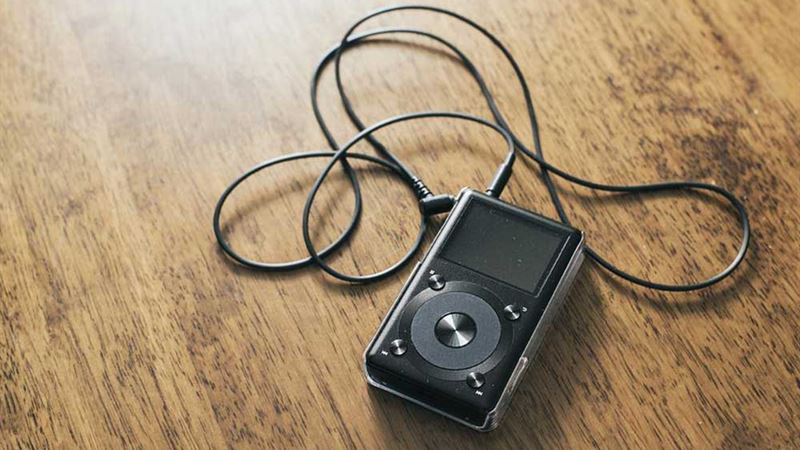
The Evolution from the First Generation to the Second and Third
The first-generation iPod, launched in 2001, set the stage with its minimalist design and user-friendly interface. With its 5GB and 10GB storage options, early adopters appreciated the device's ability to carry thousands of songs in a compact form. As technology advanced, Apple refined the iPod in its second generation, introduced in 2002, available in three storage versions: 5GB, 10GB, and 20GB. The design saw a significant change with the removal of manual scroll wheels, replacing them with a more streamlined approach. The third-generation iPod, launched in 2003, further evolved by eliminating the touch-sensitive wheel, favoring a physical click wheel for navigation, and incorporating the now-iconic 30-pin dock connector. It diversified its storage options into 10GB, 15GB, and 30GB models, catering to different user needs.
Continued Innovation and New Models
Apple kept pushing the boundaries of portable music with incremental updates, but the real game-changer was the introduction of the iPod mini. Designed for users seeking a more elegant and compact device, the iPod mini debuted in a range of vibrant colors, appealing to style-conscious consumers. Its small size made it ideal for running, working out, or simply enjoying music on the move. The iPod mini revitalized the click wheel technology, which became a signature feature for navigation until the advent of the touchscreen iPhone. In addition to the mini, Apple released the fourth-generation iPod, which boasted larger storage capacities—20GB and 40GB versions—and marked a significant upgrade in terms of features and performance.
Introducing the iPod Shuffle and iPod Photo
Moving forward, Apple diversified its iPod lineup with models like the iPod Shuffle, a tiny, clip-on device emphasizing simplicity and portability, and the iPod Photo, which enabled users to view photos directly on their portable music players. Despite these innovations, some models struggled to hold their market share against competitors, prompting Apple to further refine its product line. The journey culminated in the development of the iPod Touch, which combined the functionality of an iPhone with the portability and music-focused design of previous iPods.
The Iconic iPod Touch: The Pinnacle of Portable Media Devices
Introduced in 2011, the iPod Touch became the flagship iPod model, blending powerful hardware with a touch-based interface similar to that of the iPhone. It supported a wide range of applications, gaming, and multimedia features, making it a versatile device for entertainment and even light productivity. Despite the rise of smartphones, the iPod Touch has maintained its popularity due to its sleek design, dedicated media functionalities, and affordability. Its persistent appeal highlights the enduring legacy of Apple’s innovation in portable media technology, continuously attracting new users and loyal fans alike.