
Understanding the Key Factors Leading to Dehydration and Its Impact on Health
Dehydration poses significant health risks, especially for infants, seniors, individuals with chronic illnesses, and pregnant women. Recognizing the main causes, risk factors, and preventive measures is essential for maintaining hydration and overall health. This comprehensive guide explores how age, medication, chronic stress, and physiological changes affect hydration levels and offers practical advice to prevent dehydration-related complications across different populations.
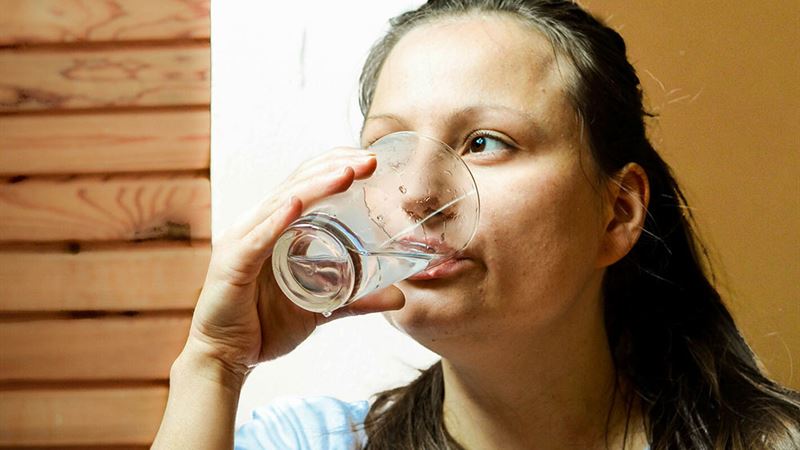
Dehydration occurs when the body loses more fluids than it takes in, disrupting vital bodily functions and leading to various health problems. While everyone is susceptible, certain groups are more vulnerable to dehydration due to physiological and environmental factors. Recognizing these risk factors is essential for prevention and proper management. This comprehensive guide delves into the primary causes, at-risk populations, and the importance of maintaining optimal hydration levels for overall health and well-being.
Infants and Young Children:
Infants are particularly susceptible to dehydration because they have a higher surface area-to-volume ratio, which accelerates fluid loss through evaporation. Additionally, young children may not recognize or communicate their thirst effectively, leading to unintentional dehydration. Severe dehydration in children can occur rapidly, especially during episodes of fever, vomiting, or diarrhea. Therefore, healthcare professionals often recommend electrolyte solutions or rehydration fluids to quickly restore fluid balance in affected children, especially when they exhibit symptoms such as lethargy, dry mouth, or sunken eyes.
Older Adults and Seniors:
As individuals age, their bodies undergo physiological changes that impair fluid regulation. The body’s ability to conserve water diminishes, and the sensation of thirst becomes less pronounced. These factors result in older adults often drinking insufficient fluids, which increases their risk of dehydration. Furthermore, many elderly individuals are on medications such as diuretics or antihypertensives that can elevate fluid loss through increased urine production. Chronic health conditions common among seniors, like heart failure or kidney disease, also complicate hydration management. Dehydration in seniors can lead to serious complications such as urinary tract infections, kidney failure, and falls due to dizziness or weakness.
Medication-Induced Dehydration:
Several prescription medications have dehydration as a known side effect. Drugs used to treat conditions like diabetes, hypertension, or psychiatric disorders often increase urine output or cause gastrointestinal symptoms like vomiting or diarrhea, leading to fluid depletion. For instance, diuretics are frequently prescribed for hypertension and heart failure but can result in significant fluid loss if not carefully monitored. Patients on these medications should be vigilant about their hydration status, especially during illness or hot weather, and follow their healthcare provider’s recommendations regarding fluid intake to prevent dehydration.
Chronic Illnesses and Elevated Stress Levels:
Chronic health conditions, particularly those affecting kidney function or gastrointestinal health, greatly increase dehydration risk. Disorders like irritable bowel syndrome, Crohn’s disease, or persistent nausea and diarrhea can cause ongoing fluid loss. The body’s ability to absorb and retain fluids is compromised, which amplifies dehydration risk. Additionally, psychological stress can influence hormonal regulation, specifically the production of aldosterone — a hormone critical for maintaining electrolyte and water balance. Elevated stress levels can impair this system, leading to disturbances in hydration and electrolyte levels. This disruption can inhibit recovery from illnesses and exacerbate existing health conditions.
Women During Menstruation and Pregnancy:
Women experience increased fluid requirements during menstruation and pregnancy. Heavy menstrual bleeding results in significant blood and fluid loss, which necessitates prompt replenishment to prevent dehydration. Fluctuations in hormones such as estrogen and progesterone during this period can also influence hydration levels, often leading to feelings of dryness and dehydration symptoms. During pregnancy, increased blood volume and metabolic demands elevate the need for fluids. Morning sickness, accompanied by nausea and vomiting, further complicates hydration. Proper fluid intake—through water, soups, and electrolyte drinks—is vital to support increased blood volume, maintain optimal circulation, and facilitate healthy fetal development. Failing to meet these increased demands can lead to dehydration, which poses risks to both mother and baby.
Understanding these diverse factors and at-risk groups highlights the importance of proactive hydration strategies. Regularly consuming adequate fluids, recognizing early signs of dehydration, and seeking medical guidance when necessary are crucial steps toward maintaining health and preventing dehydration-related complications. Ensuring proper hydration is not only essential for well-being but also for the effective functioning of all bodily systems, especially during vulnerable periods such as childhood, old age, illness, and pregnancy.