
Comprehensive Guide to Pneumonia: Recognizing Symptoms and Understanding Causes
This comprehensive guide provides in-depth information about pneumonia, including its causes, types, symptoms, and treatment options. Understanding the various classifications and signs of pneumonia can aid in early detection and effective management of this serious respiratory infection, significantly improving patient outcomes and reducing complications.
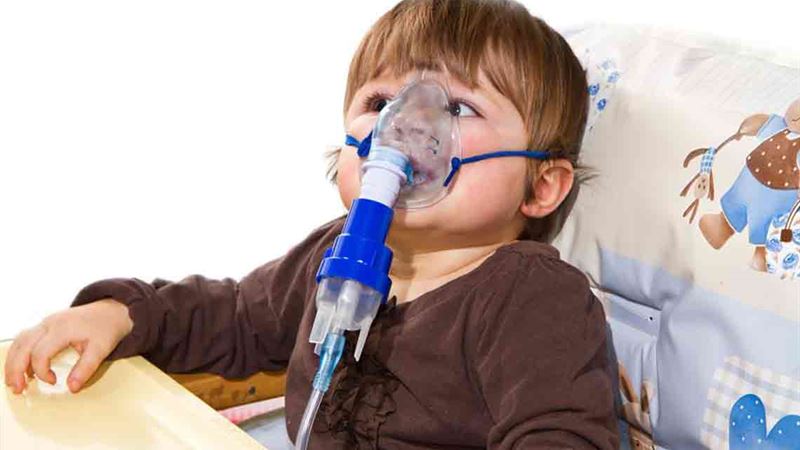
Understanding Pneumonia: Causes and Variants
Pneumonia is an infection that affects the lungs, and it can be caused by a variety of organisms, including bacteria, viruses, fungi, and atypical pathogens. Recognizing the different types of pneumonia is crucial for effective treatment and management. The classification of pneumonia depends largely on how the infection was acquired, the causative organism, and the location of infection. This comprehensive guide delves into the various causes, types, signs, and treatments of pneumonia to help you understand this potentially serious condition better.
The most common infectious agents responsible for pneumonia include bacteria, viruses, fungi, and other atypical microorganisms. Each type presents unique features and implications, making accurate diagnosis vital. Here’s an in-depth look at the different causes of pneumonia:
- Bacterial pneumonia: The leading cause of pneumonia worldwide, bacterial infections can affect anyone but are especially prevalent among the elderly, those with compromised immune systems, or individuals with preexisting health conditions. Streptococcus pneumoniae is among the most common bacteria responsible for this form. Symptoms often include high fever, chills, productive cough with green or yellow mucus, chest pain, and rapid breathing.
- Viral pneumonia: Often caused by respiratory viruses such as influenza, respiratory syncytial virus (RSV), or coronavirus strains, viral pneumonia tends to affect older adults and immunocompromised individuals. Generally, viral pneumonia symptoms are milder initially, including dry cough, mild fever, and malaise, but they can escalate rapidly, leading to severe respiratory distress in some cases.
- Mycoplasma pneumonia: This atypical pneumonia is caused by Mycoplasma pneumoniae bacteria, which possess characteristics of both bacteria and viruses. It predominantly affects young adults and children, often resulting in a milder, prolonged illness with symptoms like dry cough, sore throat, headache, and atypical chest discomfort.
- Fungal pneumonia: Less common but serious, fungal pneumonia results from inhaling spores from fungi such as Histoplasma, Coccidioides, or Aspergillus species. These fungi are prevalent in soil or bird droppings, and exposure is more likely in individuals with weakened immune defenses, such as HIV/AIDS patients or those on immunosuppressive therapy. Symptoms develop gradually and may include fever, cough with blood-tinged mucus, weight loss, and fatigue.
Pneumonia Based on Infection Site and Acquisition
Pneumonia can also be classified based on where or how the infection was acquired, which influences prognosis and treatment strategies. Here’s a detailed look at these classifications:- Hospital-acquired pneumonia (HAP): This form develops during a hospital stay, especially in patients already hospitalized for other conditions. HAP can be more dangerous due to the presence of multi-drug resistant bacteria, making treatment complex.
- Community-acquired pneumonia (CAP): These infections are contracted outside hospital settings. They are the most common form and can be caused by bacteria, viruses, or fungi present in the community environment.
- Healthcare-associated pneumonia: Similar to HAP but occurring outside hospital settings, such as in nursing homes or outpatient clinics.
The mode of acquisition significantly influences the pathogen involved, antibiotics used, and potential complications.
In addition to location-based classifications, pneumonia can be categorized based on how the infection enters the lungs:
- Aspiration pneumonia: When food, liquids, or saliva are inhaled into the lungs, bacteria from these substances can cause infection. People with swallowing problems, alcohol intoxication, or sedative use are at higher risk.
- Ventilator-associated pneumonia (VAP): Patients on ventilators are susceptible to this form due to prolonged intubation, making it a concern in intensive care units. Bacteria can colonize the mechanical device and infect the lungs.
Clearly, pneumonia has multifaceted causes and risk factors. Recognizing the myriad ways this disease develops is essential for prevention and early intervention. The symptoms and signs of pneumonia vary widely depending on the causative agent, patient’s age, overall health, and other underlying conditions.
Recognizing the Symptoms of Pneumonia
Pneumonia presents with a range of symptoms that can range from mild to severe. Accurate identification is key to prompt treatment. The manifestations often depend on the pneumonia type, the patient’s age, immune status, and existing health conditions. Here are some typical signs and symptoms to watch for:- Cough: The hallmark symptom, cough often produces mucus that is yellow, green, or occasionally blood-stained. Persistent coughing can be severe and distressing.
- Fever: Elevated body temperature ranges from mild to high, often accompanied by chills. Fever may be especially high in bacterial pneumonia cases.
- Chills and sweating: Sudden chills followed by profuse sweating are common responses to infection.
- Breathlessness: Shortness of breath or difficulty breathing is typical, especially during exertion or deep breaths.
- Chest pain: Sharp or stabbing chest pain often worsens with deep breaths or coughing. It results from inflammation of lung tissue or pleura.
- Fatigue and malaise: A general feeling of tiredness, weakness, and low energy is prevalent.
- Loss of appetite: Reduced interest in eating often accompanies other symptoms.
- Confusion (especially in elderly): Mental disorientation or confusion can be a crucial sign in older adults, sometimes mistaken for delirium.
- Other symptoms: Depending on the cause, symptoms may include headache, sore throat, muscle pains, and rapid heartbeat. In severe cases, cyanosis (bluish discoloration of lips and nails) may occur due to insufficient oxygenation.
The initial signs of viral pneumonia often resemble those of influenza—dry cough, fever, muscle aches, sore throat, and fatigue. However, these symptoms tend to worsen within a day or two, progressing to more severe respiratory symptoms like productive cough, high fever, and cyanosis.
Effective Treatment Approaches for Pneumonia
Once diagnosed through blood tests, chest X-rays, and other investigations, treatment begins promptly. The approach depends heavily on the causative organism and the severity of the disease. Common treatment options include:- Antibiotics: For bacterial pneumonia, antibiotics are the primary treatment. The choice of drug depends on the specific bacteria involved and local antibiotic resistance patterns.
- Antiviral medications: In cases of viral pneumonia, antivirals such as oseltamivir may be prescribed, especially if diagnosed early.
- Antifungal drugs: Fungal pneumonia requires antifungal therapy tailored to the specific fungus present.
- Supportive care: Rest, hydration, oxygen therapy, and fever management are crucial components of treatment. In severe cases, hospitalization might be necessary.
Most patients respond well to medication within a few days, but complete recovery may take several weeks, especially in older adults or those with comorbidities. Preventative measures like vaccination, good hygiene, and avoiding smoking can significantly reduce risk.