
Top Network Interface Cards: Features, Performance, and Leading Brands
Discover the essential functions of network interface cards, explore top brands, and learn how to select the perfect NIC for your needs. This comprehensive guide helps you enhance your internet connectivity with reliable, high-performance network cards suitable for gaming, streaming, or enterprise use.
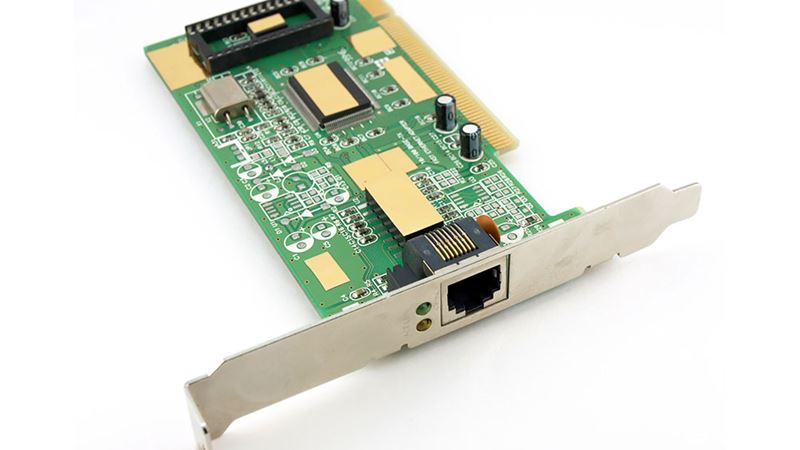
Modern networking requires reliable, high-performance network interface cards (NICs) to ensure seamless connectivity across various applications, from casual browsing and streaming to professional gaming and enterprise data transfer. Selecting the right NIC involves understanding their functionalities, capabilities, and the top brands that produce durable, efficient devices. This comprehensive guide delves into the significant features of network cards, explores leading brands, and provides insights into choosing the best NIC tailored to your needs.
Network Interface Cards: An Essential Component of Digital Connectivity
The importance of network interface cards in today’s digital ecosystem cannot be overstated. These hardware components serve as critical interfaces between your computer or server and the network infrastructure. By facilitating communication over wired or wireless connections, NICs enable data exchange—a fundamental requirement whether you're working remotely, gaming online, streaming high-resolution videos, or managing enterprise networks.
Understanding the Core Functions of NICs
Network cards perform several core functions essential for maintaining a robust digital environment:
- Data Transmission: NICs send and receive data packets across network connections, ensuring the data reaches its destination efficiently.
- Network Protocol Handling: They process networking protocols like TCP/IP, enabling computers to interpret and execute network commands properly.
- Connectivity Options: Many modern NICs offer both wired Ethernet and wireless capabilities, providing flexible options according to user requirements.
- Speed Support: Advanced network cards handle high data transfer speeds, often exceeding gigabit levels, crucial for high-bandwidth applications.
- Security Features: Some NICs include security functionalities such as hardware firewall support or WPA/WPA2 encryption for wireless devices.
Types of Network Interface Cards
Depending on your specific needs, various types of NICs are available:
- Ethernet NICs: Wired network cards that connect via LAN cables, ideal for stable, high-speed internet access, especially in enterprise or gaming setups.
- Wireless NICs: Enable Wi-Fi connectivity; they support various standards like 802.11ac, 802.11ax, offering different speed and range parameters.
- Hybrid NICs: Combine wired and wireless functions into a single device, providing versatility for users requiring both options.
Key Features to Consider When Choosing a Network Card
When selecting a network interface card, it’s essential to evaluate several features to ensure optimal performance and compatibility:
- Compatibility: Confirm that the NIC is compatible with your motherboard, whether it’s PCIe, PCI, or M.2 interface.
- Speed Ratings: Look for NICs supporting high data transfer rates such as 1 Gbps, 2.5 Gbps, or even 10 Gbps for professional-grade applications.
- Antenna and Range: For wireless cards, high-gain antennas improve signal strength and coverage area, reducing dead zones.
- Multi-band Support: Dual-band (2.4 GHz and 5 GHz) support offers flexibility, better performance, and less interference.
- Security Protocols: Features like WPA3 ensure your wireless connection remains secure against threats.
- Additional Features: Bluetooth support, remote wake-up, wake-on-LAN, auto-correction, and crossover detection enhance the NIC’s functionality beyond mere data transfer.
Leading Brands in Network Interface Cards
Choosing a reputable brand ensures durability, performance, and reliable customer support. Here are some of the top brands renowned for their high-quality network cards:
- TP-LINK: Known for excellent wireless network adapters like the Archer T5E AC1200, TP-LINK offers simplified installation and impressive performance with speeds reaching up to 1167 Mbps. Equipped with external high-gain antennas, these cards provide extensive coverage, making them suitable for large homes or office environments.
- Gigabyte: The Gigabyte GC-WB867D-I represents affordability combined with high performance for gamers and casual users. It features Bluetooth 4.2, dual-band support at 2.4 GHz and 5.8 GHz, and transfer speeds up to 867 Mbps, ensuring lag-free online gaming and smooth streaming experiences.
- Leoxsys: With models like the LEO-2GE82576, Leoxsys offers high-end PCIe network cards capable of reaching transmission speeds of up to 2.5 Gbps. These cards include advanced features like remote wake-up, wake-on-LAN, auto-correction, and crossover detection, tailored for enterprise and high-demand environments.
- ASUS: The ASUS PCE AC56 PCI cards are among the most highly rated, supporting Wi-Fi speeds of 876 Mbps at 5 GHz and 400 Mbps at 2.4 GHz. These cards are designed with efficient heatsinks to prevent overheating during intensive usage, making them ideal for streaming and online gaming.
How to Select the Best Network Card for Your Needs
Choosing the right network card depends on multiple factors tailored to your usage patterns:
- Assess Your Network Requirements: Determine if you need wired or wireless connectivity based on your environment and work setup.
- Identify Compatibility: Ensure your motherboard or device supports the chosen NIC’s interface type and standards.
- Prioritize Speed and Range: For high-performance needs like gaming or large file transfers, opt for cards supporting multi-gigabit speeds and high-gain antennas.
- Focus on Security Features: Especially for wireless NICs, prioritize cards with the latest security protocols to protect sensitive data.
- Read Reviews and Support Options: Select brands with positive user feedback and accessible technical support services.
Conclusion: Making an Informed Choice
Network cards are vital for ensuring efficient, reliable connectivity across personal and professional environments. By understanding their core functionalities, analyzing your specific needs, and opting for trusted brands, you can significantly enhance your network experience. Whether upgrading an existing system or building a new setup, investing in the right NIC will pay dividends in connection stability and speed, supporting your digital activities seamlessly.