
Comprehensive Insurance Options for Philips Medical Alert Devices: Protecting Your Health and Finances
Explore extensive insurance options for Philips medical alert devices, including Medicare, state assistance, and private plans. Learn how to maximize coverage to ensure safety and financial security. Understand the steps to get affordable access and peace of mind with your emergency alert system.
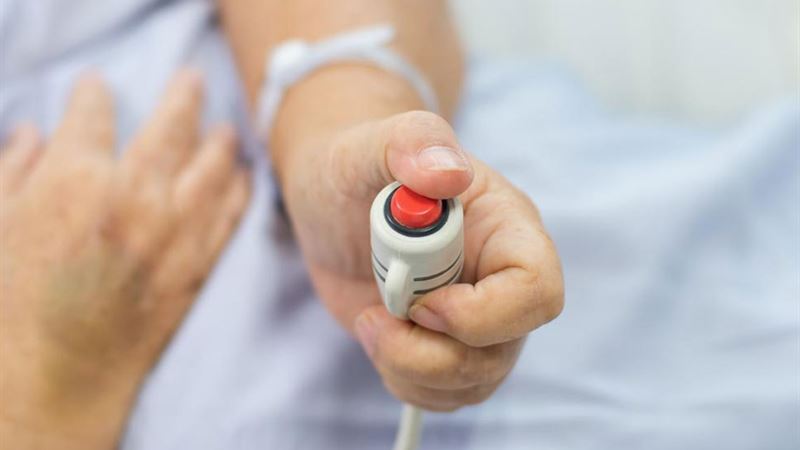
Understanding Insurance Coverage for Philips Medical Alert Devices
Ensuring financial protection for medical emergency systems like Philips medical alert devices is a crucial concern for seniors, disabled individuals, and their families. Fortunately, various insurance options are available to help offset the costs associated with these vital devices. With the right coverage, users can enjoy peace of mind knowing that their emergency needs are financially supported, ensuring quick access to help during critical moments.
One prominent insurance avenue is the Medicare Part B program, which offers optional coverage that can significantly reduce the monthly expenses associated with Philips medical alert systems. This plan comes with annual deductibles and fixed monthly premiums, but it plays a vital role in making emergency alert devices more affordable for qualifying individuals. Medicare Part B generally considers medical alert systems as durable medical equipment (DME), which qualifies them for coverage under certain conditions.
In addition to Medicare, long-term insurance plans are another pathway to cover medical alert devices. These policies often include coverage for various types of DME, including emergency alert systems like Philips devices. When selecting a policy, it’s essential to review the coverage criteria carefully and understand what qualifies under the plan, as this can vary among insurers. Long-term care insurance may also provide reimbursement options, especially for individuals with ongoing health needs.
Beyond federal programs, state and local government agencies play a significant role in assisting those with limited resources. Social service agencies, often supported by the State Department of Social Services or Health, have specialized programs aimed at helping seniors and disabled persons afford essential medical equipment. These programs may offer direct subsidies, grants, or assistance with monthly costs of medical alert devices, including Philips systems. Engaging with local agencies can be a critical step toward securing affordable or even free access to life-saving emergency alert technology.
Likewise, healthcare institutions and community health organizations may provide funding opportunities or grants to support the funding of medical emergency devices. These grants are often aimed at low-income individuals or those with limited resources, ensuring that financial limitations do not hinder access to crucial safety equipment.
Although private insurance typically does not cover the cost of medical alert devices outright, some plans may offer partial reimbursements or discounts. It is advisable to contact one's private insurer directly to inquire about any existing schemes that could offset costs. Most private insurance policies are structured primarily to cover hospital stays, doctor visits, and prescription medications, and coverage for medical devices is often limited or optional.
For individuals interested in obtaining reimbursement for the monthly expenses associated with Philips medical alert systems, proactive communication with insurance providers is essential. Clarify what is covered under your current policy, understand the precise coverage limits, and review any clauses related to durable medical equipment. This proactive approach helps prevent surprises and ensures that you’re adequately prepared to manage the ongoing costs of emergency preparedness.
When considering insurance options, it is important to compare various plans and understand the fine print. Look for policies that explicitly include or cover medical alert systems, and check whether there are specific requirements or documentation needed to qualify for reimbursement. Since coverage and benefits can vary greatly, consulting with insurance agents or financial advisors can help you make informed decisions that best suit your health needs and financial situation.
In conclusion, securing the right insurance coverage for Philips medical alert devices is essential for ensuring continuous safety and peace of mind. By exploring federal programs, state and local assistance, and private insurance options, users can significantly reduce their out-of-pocket expenses and gain access to reliable emergency support when needed most. Being well-informed and proactive about insurance options helps safeguard your health and finances amid uncertain situations, ensuring you receive timely aid during emergencies.