
Understanding Infertility: Causes, Symptoms, and Available Treatments
This comprehensive article explores the causes, symptoms, and treatment options for infertility. It emphasizes the importance of early diagnosis, lifestyle changes, and personalized medical therapies to improve the chances of conception. Covering both male and female infertility factors, it provides valuable insights into modern reproductive health solutions, encouraging individuals and couples to seek professional help and embrace hope in their journey toward parenthood.
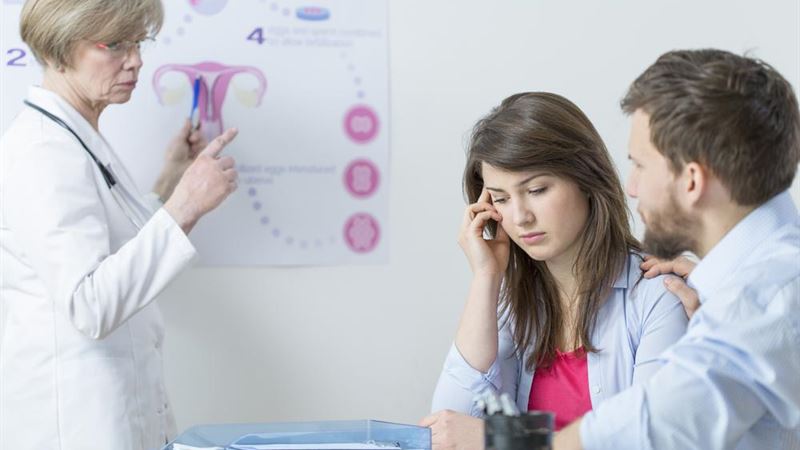
Root Causes of Infertility
Understanding what leads to infertility is crucial for diagnosis and treatment. In men, the primary factor often involves low sperm count. Normally, a man ejaculates around 20 million sperm, but counts below 15 million are classified as low and may impede fertilization. Additionally, sperm motility, or the ability of sperm to swim efficiently toward the egg, plays a pivotal role. Poor motility can prevent successful conception even if sperm counts are adequate.
In women, fertility decline typically begins after the age of 30 due to hormonal changes and the natural aging process of the ovaries. Lifestyle factors such as smoking, excessive alcohol consumption, and exposure to environmental toxins can significantly impact fertility. Being overweight or undernourished also affects hormonal balance and reproductive health. Nutritional deficiencies and lack of essential vitamins can further hinder ovulation and reduce fertility potential.
Recognizing the Symptoms of Infertility
Signs of infertility often manifest through irregularities in menstrual cycles and ovulation in women. Since conception relies heavily on these processes, any disruption can be an indicator of underlying reproductive issues. Common symptoms include:
- Irregular or abnormal menstrual cycles, such as unpredictable bleeding patterns or abnormal flow intensity.
- Variations in the ovulation cycle length from month to month, indicating possible hormonal imbalances.
- Total absence of periods (amenorrhea), which can be mistaken for pregnancy but may signal ovarian or hormonal problems.
- Pain or discomfort during menstruation, pelvic pain, or backache associated with irregular bleeding.
- In men, notable changes include alterations in hair growth patterns, such as reduced facial or body hair, which may reflect hormonal imbalances.
- The presence of smaller, firm testicles or pain, swelling, or lumps in the testicular area can lead to reduced sperm production and fertility issues.
- Extended lifestyle habits like smoking, excessive alcohol intake, drug use, and chronic stress can impair fertility over time.
- Sexual health problems such as erectile dysfunction or ejaculation difficulties can also contribute to infertility.
These signs should prompt individuals or couples to seek medical evaluation to identify the underlying causes and determine appropriate treatment strategies.
Modern Approaches to Treating Infertility Addressing infertility requires a precise diagnosis of its root causes, followed by tailored treatment plans. Advancements in reproductive medicine have significantly increased success rates with various procedures and therapies. Treatments generally fall into medical, surgical, and lifestyle intervention categories, suited to individual cases.
For women, treatment options include:
- Hormonal therapy using injections or oral medications to stimulate ovulation or rebalance hormone levels. These drugs promote regular ovulation, increasing the likelihood of conception.
- Surgical interventions to remove blockages such as cysts, fibroids, or scar tissues in the fallopian tubes or ovaries. This can restore normal reproductive function and improve natural conception chances.
For men, treatments include:
- Hormonal injections to correct deficiencies and improve sperm production in cases of hormonal imbalance.
- Antibiotics to treat infections affecting reproductive organs, which can impair fertility if left untreated.
- Surgical procedures to clear blockages in the vas deferens or other parts of the reproductive tract, facilitating smoother sperm transport.
- Medications and counseling to address issues related to erectile dysfunction, ejaculation problems, or psychological factors affecting fertility.