
Comprehensive Guide to Water and Fire Damage Restoration Procedures
This detailed guide explains the complex procedures involved in water and fire damage restoration. It covers assessment, cleanup, drying, odor removal, and structural repairs, highlighting the importance of professional expertise to restore safety and property value after disasters. Learn how restoration specialists efficiently handle water extraction, mold prevention, soot cleanup, and structural repairs to bring your property back to its original condition. Understanding these processes helps property owners make informed decisions and ensures timely, effective recovery from water or fire damages.
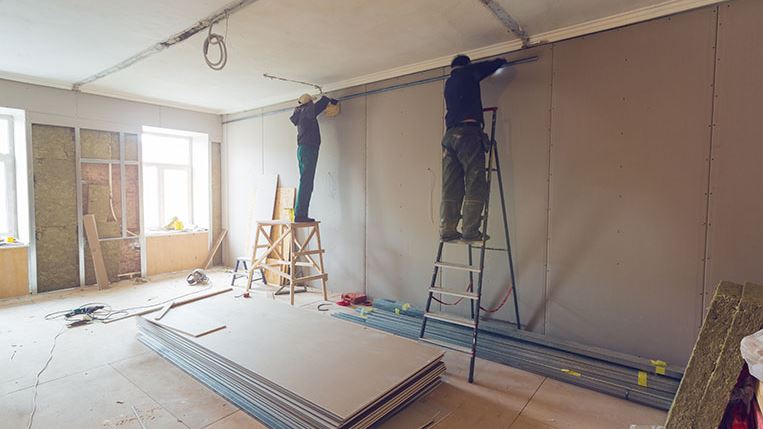
Water damage restoration begins immediately after flooding or leaks are identified. It is a complex operation that demands precision and experience. The first step involves rapid assessment to determine the extent of water intrusion, followed by emergency measures to halt further damage. Typically, water extraction is carried out swiftly with industrial-grade pumps and wet vacuums designed for large-scale cleanup. Once standing water is removed, teams turn to drying procedures using high-capacity dehumidifiers and industrial fans to eliminate moisture from affected surfaces, including flooring, walls, and furniture.
Drying is a critical phase, as residual moisture can foster mold growth, which poses health risks and causes structural degradation. Professionals may also remove damaged drywall, compromised wood flooring, or contaminated carpets to prevent mold proliferation. In addition, detailed cleaning of air ducts and ventilation systems is performed to improve indoor air quality. Odor removal treatments are often necessary to eliminate lingering smells from smoke or stagnant water, restoring the environment to a safe, livable state.
Fire damage restoration involves a different but equally complex process. After a fire incident, trained specialists assess the damage meticulously to formulate an effective restoration plan. The initial step is securing the site by isolating unsafe areas where electrical wiring may have been compromised or where chemical reactions have occurred due to combustion. This safety measure ensures the well-being of workers and occupants while beginning the recovery process.
Once the site is secured, emergency procedures commence, including water removal if firefighting efforts involved water or foam. This is followed by thorough drying and dehumidification to prevent further damage. Next, cleanup specialists focus on removing soot, smoke residues, and other contaminants from surfaces, furniture, and structural elements. Special cleaning agents and advanced equipment are used to neutralize odors and prevent staining.
Sanitization and disinfection are critical steps, especially when fires involve hazardous materials or chemical reactions. The process also includes repairing or replacing damaged structural components such as beams, drywall, and insulation. Final steps involve comprehensive property cleanup, deodorization, and restoring the space to its pre-loss condition, making it safe and functional once again. These restoration practices demand technical expertise and meticulous attention to detail, ensuring the safety and longevity of the property.