
Effective Home Strategies for Relieving Ankle Discomfort and Promoting Healing
Discover comprehensive home remedies and effective strategies to alleviate ankle pain, promote healing, and prevent future issues. From rest and ice therapy to nutrition and gentle exercises, learn how to confidently manage ankle discomfort and restore mobility naturally.
The Critical Role of Rest in Ankle Injury Recovery
- Rest is a foundational component in the healing process for ankle injuries, allowing tissues to repair without additional strain or aggravation.
- Since ankles support much of your body weight, especially during standing and movement, they tend to be overused and vulnerable, making adequate rest crucial.
- Limiting mobility and avoiding strenuous activities helps prevent worsening of the injury and reduces the risk of chronic issues like arthritis or ligament damage.
- Elevate the injured ankle above heart level to improve blood flow and reduce swelling, pain, and throbbing sensations.
Strategies for Supporting Your Ankle During Movement
- Minimize the load on the affected ankle by avoiding standing or walking for extended periods. When movement is necessary, use assistive devices such as crutches, canes, or walkers to reduce stress.
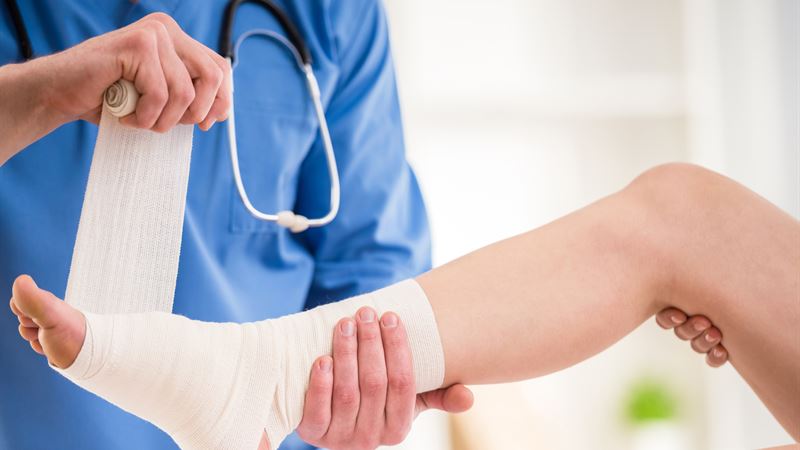
- Support the ankle with compression wraps or braces to stabilize the joint, control swelling, and prevent harmful movements during activity.
- Ensure proper gait and posture when moving to avoid additional strain or misalignment that could delay healing.
Effectiveness of Ice Therapy in Alleviating Ankle Pain
- Applying cold packs is a highly recommended home remedy for reducing inflammation, swelling, and pain after an ankle strain or sprain.
- The cold constricts blood vessels, diminishing blood flow to the affected area and decreasing inflammation and discomfort.
- Experts recommend applying cold packs for about 15-20 minutes every two hours during the initial stages of injury to maximize benefits safely.
- Remember not to apply ice directly to the skin to prevent frostbite. Use a cloth or towel as a barrier between the cold source and your skin.
Nutrition and Lifestyle Adjustments for Long-Term Ankle Health
- Maintaining a balanced diet rich in calcium, vitamin D, and other essential nutrients supports bone strength and joint health, reducing susceptibility to injury.
- Weight management through healthy eating reduces excessive stress on the ankles, especially in overweight individuals, serving as a long-term remedy for pain and instability.
- Incorporating joint-support supplements such as glucosamine and chondroitin into your diet may help preserve cartilage integrity and promote joint repair.
- Consuming dairy products like milk, yogurt, and cheese provides necessary calcium for bone reinforcement, crucial for ankle stability and healing.
Exercise as a Tool for Rehabilitation and Prevention
- Counterintuitive as it may seem, gentle exercises and stretching routines can significantly aid in relieving ankle pain and restoring function when done correctly and under medical guidance.
- Low-impact activities like swimming allow muscles around the ankle to strengthen without exerting undue pressure, facilitating gradual recovery.
- Stretching exercises promote flexibility, improve blood circulation, and prevent stiffness, contributing to overall joint health.
- Before initiating any exercise program, consult with a healthcare professional to ensure safety and appropriateness for your specific condition.
In conclusion, effective home management of ankle pain involves a combination of proper rest, supportive techniques, cold therapy, nutritional strategies, and carefully supervised exercises. Recognizing when to seek medical attention and consistently applying these remedies can expedite recovery, reduce discomfort, and help you regain mobility efficiently. Remember, listening to your body and following the advice of healthcare professionals are key components in managing ankle injuries successfully at home.