
Comprehensive Guide to Recognizing and Treating Poison Ivy Rash Using Everyday Products
Learn how to identify poison ivy and effectively treat the skin rash caused by it using everyday household products. This comprehensive guide covers plant identification, preventive measures, and quick relief remedies with items like aspirin, mouthwash, and dish soap. Discover safe practices to avoid contact and manage accidental exposure effectively. Ideal for outdoor enthusiasts and gardeners, this article provides practical tips to minimize discomfort from poison ivy rash and promotes safe handling of outdoor plants. A must-read for anyone spending time in nature or prone to skin allergies.
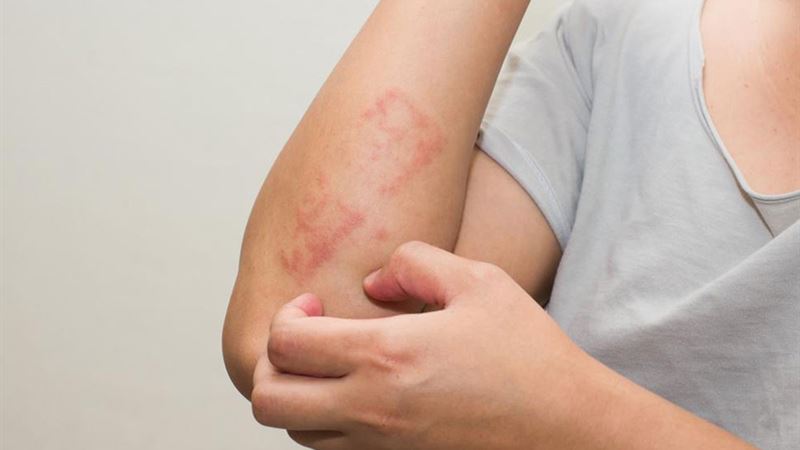
Poison ivy is a common plant known for causing skin irritation and allergic reactions upon contact. The plant’s distinctive leaves are typically tripartite, meaning they have three leaflets, and their appearance varies throughout the year, changing colors with the seasons. During spring, the leaves tend to be reddish, signaling new growth. As summer approaches, the leaves transition into a fresh, vibrant green. Eventually, in the fall, they turn to yellowish or orange hues, adding a splash of color to the landscape. Recognizing these visual cues can help individuals avoid accidental contact with this plant.
The notched edges of the leaves are also a significant characteristic, often pointing to poison ivy whether it grows as a shrub, a vine, or a creeper. Additionally, the plant produces white berries that are easily noticeable during late summer and fall, serving as another visual indicator. These berries are not edible and can pose additional risks if mistakenly ingested. Awareness of these features is crucial for outdoor enthusiasts, gardeners, and anyone working around wooded or brushy areas.
- Aspirin paste: While traditionally known for pain relief, aspirin can be repurposed as a topical treatment for poison ivy. Crushing a few aspirin tablets and mixing them with a little water creates a paste that, when applied directly to the affected skin, can diminish inflammation and soothe itching sensations. Aspirin contains salicylic acid, which accelerates the healing process and reduces swelling, providing rapid relief from discomfort.
- Mouthwash: This may seem unconventional, but mouthwash contains active ingredients like menthol and alcohol that can have a cooling and drying effect on rashes. Applying a small amount to the irritated area helps reduce swelling, cools the skin, and inhibits bacterial growth, thus preventing secondary infections and slowing the spread of the rash.
- Dish soap: Urushiol, the oily resin responsible for most poison ivy reactions, adheres to the skin and can cause prolonged irritation. Washing the affected area immediately with a good-quality dish soap helps remove urushiol before it penetrates deeper. Picking a dish soap with strong degreasing properties ensures that the oil is effectively rinsed away, thereby reducing the severity and duration of the rash.
- Blow dryer: Using a hairdryer on the affected area with caution can assist in drying out the rash and reducing itchiness. The warm air helps remove excess moisture and can diminish histamine levels, which are related to itching and swelling. However, caution is essential—exposure to high heat for extended periods can lead to burns, so this method should be employed carefully and briefly.