
Understanding How Diabetes Affects Foot Health and Preventive Strategies
This in-depth article explains how diabetes impacts foot health, highlighting causes like poor circulation and nerve damage, and discusses common issues such as infections, deformities, and dry skin. It provides essential preventive measures, including daily foot checks, proper hygiene, suitable footwear, and managing blood sugar levels. Early detection and professional care are crucial to avoid severe complications like infections and amputations. A comprehensive guide for diabetics to understand, prevent, and manage foot problems effectively to maintain mobility and quality of life.
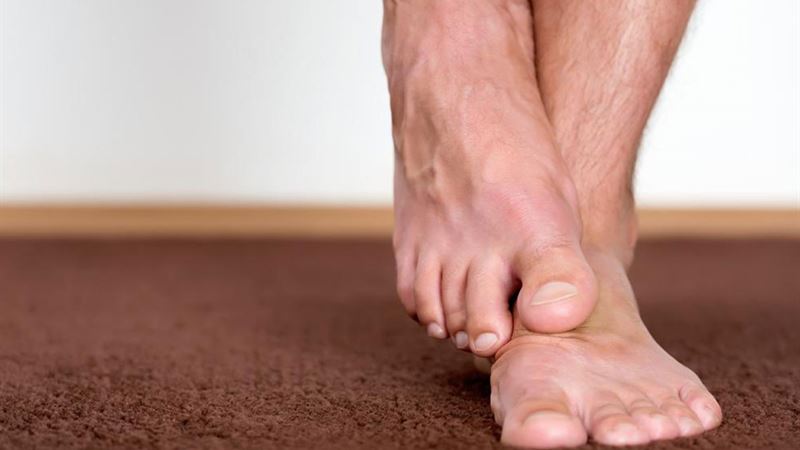
Diabetes is a chronic condition that impacts various parts of the body, especially the feet. The complications associated with diabetic foot health are often underestimated, yet they can lead to severe consequences, including infections, gangrene, and even limb amputations. This comprehensive guide aims to shed light on how diabetes causes foot problems, the common issues faced, and effective prevention and management techniques.
Diabetes leads to foot problems primarily through two mechanisms: impaired blood circulation and nerve damage. Elevated blood sugar levels damage blood vessels and peripheral nerves, resulting in decreased blood flow and sensory loss in the feet. This combination makes the skin and tissues more susceptible to injuries, infections, and poor healing. Over time, these issues can escalate, complicating the condition further.
Understanding the underlying causes is key to preventing severe complications. Reduced blood flow hampers the delivery of oxygen and essential nutrients necessary for tissue repair and immune function. Simultaneously, peripheral neuropathy diminishes sensation, making individuals unaware of minor injuries or pressure sores. Without prompt attention, these minor issues can develop into serious infections, sometimes necessitating limb amputations.
In addition to nerve and blood vessel damage, diabetic individuals are prone to various foot-related problems owing to impaired immune response and skin changes. Let's explore some of the most common and problematic foot conditions associated with diabetes.
- Fungal Nail Infections: Bacterial or fungal infections in the nails are prevalent among diabetics. These infections cause discoloration (often yellow), inflammation, and discomfort. As they progress, they can lead to painful ingrown toenails, spread to surrounding skin, and compromise mobility. Proper hygiene and timely treatment are essential to prevent widespread infection and complications.
- Musculoskeletal Problems: Nerve damage often results in muscle weakness, joint pain, and deformities. Conditions such as hammer toes or claw toes can occur. Additionally, numbness may lead to altered gait and balance issues, increasing the risk of falls and further injuries.
- Calluses and Corns: Repeated pressure and friction from ill-fitting shoes cause abnormal thickening of the skin, known as calluses and corns. Over time, they can cause discomfort, deformities, and complicate foot posture. Regular foot care and the use of protective footwear help in managing these issues.
- Bunions: Bunions are bony enlargements at the base of the big toe caused by misalignment and pressure. They often lead to redness, swelling, and pain. Treatment ranges from wearing accommodating footwear and padding to surgical correction in severe cases.
- Dry Skin and Cracks: Excessive dryness weakens the skin barrier, leading to cracks that serve as entry points for bacteria. Heel fissures are common and can become infected if not properly moisturized and cared for.
Prevention of foot problems in diabetics hinges on proactive foot care practices and vigilant observation. Recognizing early symptoms and seeking medical guidance can dramatically reduce the risk of serious complications.
Effective prevention strategies include:
- Daily self-examinations: Check your feet for cuts, blisters, redness, swelling, or deformities. Pay special attention to areas prone to pressure points.
- Maintain proper hygiene: Wash feet daily with warm water and gentle soap. Ensure thorough drying, especially between toes, to prevent fungal infections.
- Moisturize regularly: Use suitable emollients to keep skin supple and prevent cracks. Avoid applying moisturizer between toes to reduce fungal risk.
- Use appropriate footwear: Shoes should fit well, providing adequate support without causing pressure points. Always wear socks and avoid walking barefoot.
- Manage blood glucose levels: Keep blood sugar within recommended ranges to minimize damage to blood vessels and nerves.
- Promote circulation: Avoid prolonged inactivity by moving toes, wiggling feet, and walking regularly. Elevate feet when resting to improve blood flow.
- Seek professional foot care: Consult podiatrists for routine foot examinations and address issues promptly.
- Avoid smoking: Nicotine reduces blood circulation, aggravating foot problems.
In case of any persistent foot issues, unhealed wounds, or sudden changes in foot appearance or sensation, immediate medical attention is necessary. Early intervention can prevent minor problems from escalating into life-threatening complications. Remember, managing blood sugar levels, practicing excellent foot hygiene, and regular check-ups are the cornerstones of diabetic foot health.