
Natural Home Remedies for Effective Boil Relief
Discover natural and effective home remedies for treating boils, including garlic, warm compresses, neem, and tea tree oil. These remedies leverage the healing properties of nature to reduce inflammation, promote drainage, and speed up recovery. Easy to use, these methods offer a safe alternative to pharmaceutical treatments, helping you manage boils at home efficiently. Incorporate these remedies into your routine for relief and prevention, and enjoy healthier skin with natural solutions that are gentle yet powerful.
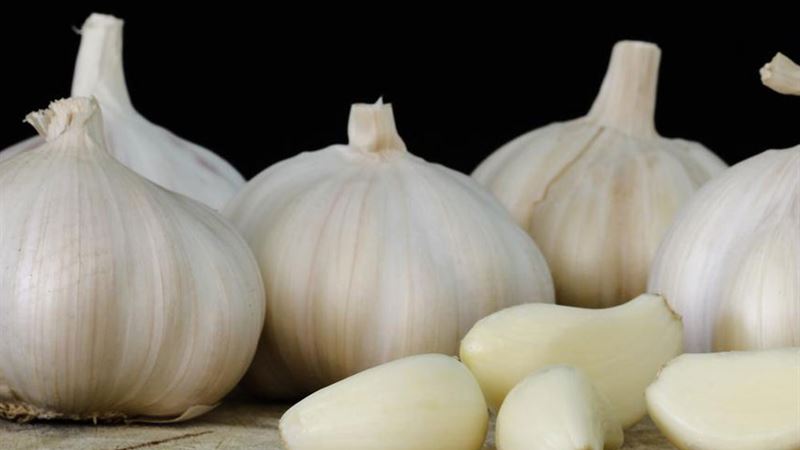
- Harnessing the Power of Garlic: Garlic is renowned for its potent medicinal properties, primarily due to its rich sulfur content, including compounds like allicin and ajoene. These sulfur compounds exhibit powerful antibacterial, antiviral, and anti-inflammatory effects, making garlic an excellent natural remedy for treating boils. Consuming garlic regularly in your diet can bolster your immune system and aid in faster healing. For targeted relief, you can prepare a garlic paste by crushing several cloves and mixing it with a small amount of olive oil, then applying this paste directly onto the affected area. Cover it with a clean cloth and leave it for a few hours before washing off thoroughly. This method helps to draw out pus and reduce inflammation efficiently. Additionally, incorporating more garlic into your meals can help prevent future boils by strengthening your body's defenses.
- Warm Water Compresses for Soothing Relief: Applying warmth to a boil can significantly expedite the healing process. Warm water compresses are a simple yet effective home remedy. The heat from the warm water causes blood vessels around the boil to dilate, increasing blood flow and facilitating the body's immune response. This process also promotes the natural drainage of pus, reducing swelling and pain. To utilize this remedy, soak a clean cotton cloth or towel in warm water, then gently apply it to the affected area for about 10 to 15 minutes. Repeating this process multiple times a day can lead to quicker resolution. Noticeable changes include the boil turning white or softening, indicating it's ready to rupture safely and release pus. Regular use of warm compresses minimizes discomfort and fosters faster healing.
- Neem: Nature's Antiseptic Ally: Neem, a staple in traditional Ayurvedic medicine, boasts impressive antibacterial and antifungal properties. Its effectiveness against skin infections, including boils, is well documented. Neem oil can be used directly on the affected area; the application process is straightforward and safe. Simply apply a few drops of neem oil onto the boil and surrounding skin, ensuring complete coverage. This natural antiseptic helps to disinfect the area, reduce inflammation, and promote healing without adverse side effects. Alternatively, preparing a paste from fresh neem leaves—crushed and mixed with a little water—applies three to four times daily can accelerate recovery. Neem's potent antimicrobial effects help prevent secondary infections, making it an ideal herbal remedy for boils, especially when used consistently.
- Tea Tree Oil: A Potent Antibacterial Solution: Extracted from the leaves of the Melaleuca alternifolia plant, tea tree oil is famous for its broad-spectrum antimicrobial properties. It effectively combats bacteria, fungi, and viruses that contribute to the formation and persistence of boils. To use tea tree oil, dilute a few drops in a carrier oil like coconut or olive oil to prevent skin irritation. Dip a cotton swab or ball into this mixture and directly apply it to the boil. Its antiseptic qualities facilitate faster healing and reduce the risk of infection spreading. Continuous application helps to dry out the boil and promote drainage. Due to its powerful antimicrobial effects, tea tree oil is highly recommended for managing boils and preventing recurrence. Regular use can reduce healing time significantly and soothe skin irritation.