
Effective Home Treatments to Relieve Wheezing Naturally
Discover effective natural remedies for wheezing relief, including steam therapy, hot showers, garlic, and oil massage. These treatments help clear mucus, open airways, and ease breathing discomfort, promoting better respiratory health safely and naturally. Incorporate these practical tips into your daily routine for improved breathing and relief from wheezing symptoms. Always consult a healthcare professional for persistent or severe respiratory issues to ensure proper diagnosis and treatment.
Wheezing, characterized by a high-pitched whistling sound during breathing, is a common respiratory issue that can arise from various causes such as airway constriction, mucus buildup, or underlying health conditions like asthma. While medical intervention is often necessary for persistent or severe cases, numerous natural remedies can provide significant relief and help alleviate symptoms. These home remedies focus on soothing the airways, reducing mucus, and easing breathing difficulties, making them a valuable addition to your health routine.
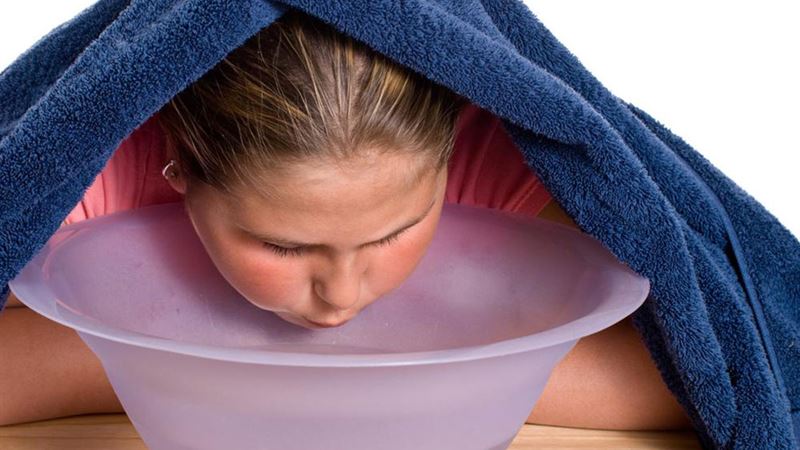
One of the most effective home treatments for wheezing involves using steam therapy. Mucus and phlegm accumulation in the respiratory passages can obstruct airflow, causing wheezing and breathlessness. Inhaling steam helps loosen these thick secretions, facilitating easier breathing. To enhance this process, adding a few drops of essential oils such as eucalyptus, peppermint, or tea tree oil to hot water can provide additional anti-inflammatory and decongestant benefits. To perform steam inhalation, boil water in a pot, remove it from heat, and carefully pour it into a large bowl. Cover your head with a towel, lean over the bowl, and breathe in the warm, aromatic vapor. Repeat this process 3-4 times daily for maximum relief.
Another simple yet effective home remedy for wheezing is taking a hot shower. The steam generated in the shower environment can help open up congested airways, providing quick relief from breathing difficulties. The heat from the water warms the airways and can help loosen mucus, making it easier to breathe. For enhanced effectiveness, keep the bathroom door closed to create a mini-sauna environment, which intensifies the vapor's impact on your respiratory system. Incorporate this routine into your daily schedule, especially during cold or humid weather when symptoms tend to worsen.
Garlic, known for its numerous medicinal properties, is a powerful natural remedy that can help combat respiratory issues including wheezing, coughs, and asthma. Rich in antioxidants and compounds like allicin, garlic reduces inflammation and relaxes airway constrictions. To use garlic as a remedy, crush 3-4 garlic cloves and add them to a small pot of water. Bring the mixture to a boil, then let it cool to a lukewarm temperature before drinking. Consuming this herbal decoction twice or thrice daily can significantly ease respiratory symptoms. Alternatively, chewing raw garlic cloves in moderation throughout the day also offers similar benefits in soothing airway inflammation and reducing wheezing episodes.
Warm oil massage is another effective natural approach to alleviating wheezing. Massaging the chest, neck, and upper back with warm oils helps soothe inflamed airways, loosen mucus, and promote easier breathing. Oils such as coconut, mustard, olive, or sesame are ideal choices for this purpose. Warm the selected oil slightly and gently massage your chest and throat in circular motions. This practice can be done at any time of day and acts as a soothing remedy to reduce breathing strain caused by mucus accumulation or airway constriction. Regular oil massage not only alleviates wheezing but also promotes overall respiratory health.
In addition to these natural remedies, maintaining overall health through proper hydration, avoiding allergens and pollutants, and practicing breathing exercises can further support respiratory wellness. A balanced diet rich in antioxidants, vitamins, and minerals boosts immunity and helps the body fight respiratory infections that often trigger wheezing. If symptoms persist or worsen despite these home remedies, consulting a healthcare professional is essential to determine underlying causes and receive appropriate treatment.
By incorporating these simple, natural strategies into your daily routine, you can effectively manage wheezing symptoms and enhance your respiratory health. Remember, while home remedies can provide substantial relief, they are complementary to medical advice, especially in cases of chronic respiratory conditions like asthma or bronchitis. With patience and consistent care, you can breathe easier and improve your quality of life naturally.