
Comprehensive Guide to HPV Vaccination: Why It Matters for Your Health
This comprehensive guide explains the importance of timely HPV vaccination, recommended ages, and safety considerations. It highlights how vaccination protects against HPV-related cancers and provides essential scheduling information for different age groups, emphasizing early vaccination for maximum effectiveness. Learn about the safety profile, possible side effects, and why getting vaccinated is vital for long-term health and cancer prevention.
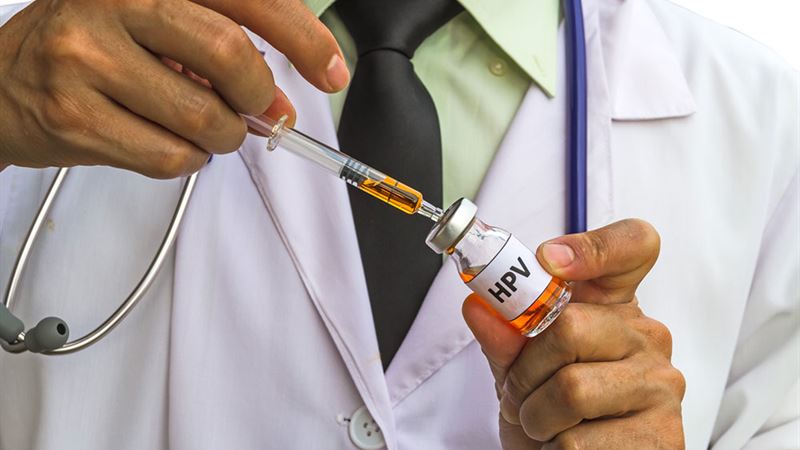
- Before age 9
The CDC (Centers for Disease Control and Prevention) recommends beginning the HPV vaccination series early, ideally before children reach nine years old. Initiating vaccination at this age ensures the immune system mounts a strong response, providing effective protection before potential exposure. Starting early also minimizes the need for additional doses later on. - Between ages 11 and 12
This is considered the ideal window for vaccination as per health guidelines. During this period, children are typically still not fully exposed to HPV, making the vaccine more effective. Typically, two doses administered at least six months apart are recommended for this age group for optimal immunity. - Ages 13 to 15
If vaccination has not been received earlier, it is advised to complete the series during these years. The CDC recommends two doses if vaccination is started before age 15; otherwise, a three-dose series is advisable. Timing remains crucial for ensuring adequate immune response.
- Children aged 15 and older
For teenagers who start vaccination after age 15, the full three-dose series is generally recommended to ensure sufficient protection. These doses are typically spaced at zero, one to two months, and six months apart, depending on specific medical guidance. - Young adults up to age 26
Individuals between 16 and 26 years old should complete the three-dose series if they haven't been vaccinated previously. The importance of vaccination remains high during these years, especially for those with new or ongoing risk factors. - Adults aged 27 to 45
While not routinely recommended for everyone beyond 26, some adults in this age range may consider the vaccine, especially if they are at increased risk or have not been vaccinated previously. Consulting a healthcare professional can determine if vaccination is appropriate for individual circumstances.
The HPV vaccine significantly reduces the likelihood of developing precancerous conditions that can lead to cancers such as cervical, vaginal, vulvar, anal, and oropharyngeal cancers. Women are particularly vulnerable to HPV-related cervical cancer, which remains a leading cause of cancer-related deaths worldwide. Men are also at risk for genital and other cancers spurred by HPV infections. Vaccination acts as a crucial preventive measure—shielding individuals from the health complications associated with persistent infections.
The HPV vaccine is thoroughly tested and proven to be safe. Nevertheless, some people may experience allergic reactions, especially those with allergies to yeast or other vaccine components. Expectant women are advised to defer vaccination until after pregnancy unless otherwise recommended by a healthcare provider. It's vital to discuss any allergies or concerns with your doctor before vaccination.
Most recipients do not encounter serious side effects from the vaccine. The common mild reactions include:
- Redness, swelling, or soreness at the injection site
- Dizziness or fainting episodes, particularly in adolescents
- Nausea, headache, or mild fever