
Ultimate Guide to Selecting the Perfect Pizzelle Maker for Your Kitchen
Discover comprehensive tips on selecting the ideal pizzelle maker, including electric and stovetop options, surface types, size considerations, and key features. Learn how to choose a device that matches your baking style, preferences, and space to ensure perfect, crispy cookies every time. This guide helps you make an informed purchase, highlighting essential factors and practical advice for bakers of all levels, ensuring years of delightful baking experiences with high-quality equipment.
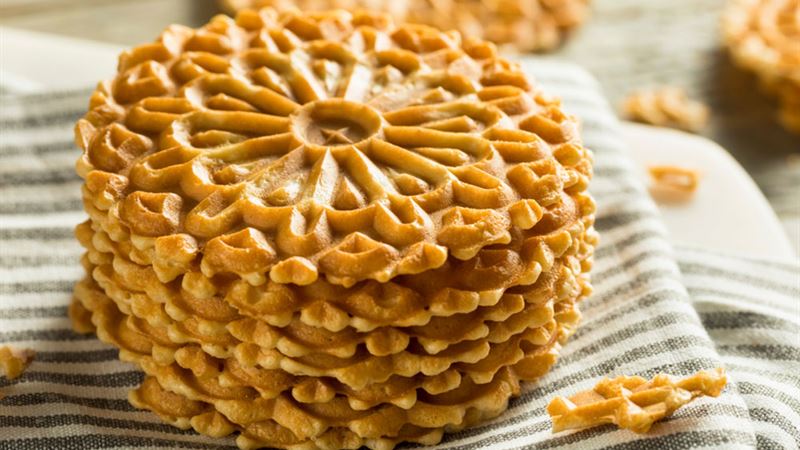
Electric pizzelle makers are increasingly popular due to their convenience and consistency. These devices operate using an electrical power source, which provides stable heat and precise temperature control. Unlike traditional stovetop models, electric pizzelle makers can automatically regulate cooking time, resulting in perfectly baked cookies without much effort. They are commonly equipped with nonstick or uncoated cooking surfaces, each offering distinct advantages and considerations.
Stovetop pizzelle makers, on the other hand, are a more traditional choice. These require manual heating using an external heat source, such as a stovetop or fire. While they may demand more attention during the baking process, they appeal to those who prefer a classic baking experience and often offer a more rugged, vintage aesthetic. Both types can produce beautiful, flavorful pizzelle cookies, but their operational differences influence their suitability based on your baking preferences.
Understanding the Differences: Electric vs. Stovetop Pizzelle Makers
The primary distinction between electric and stovetop pizzelle makers lies in their heating method and ease of use. Electric models feature built-in heating elements, which ensure uniform heat distribution. Many also include adjustable temperature controls, allowing bakers to fine-tune the baking process for optimal results. Additionally, electric pizzelle makers often have an indicator light that signals when the device is ready to bake or when the cookies are done, simplifying the process.
Stovetop pizzelle makers rely on direct contact with a heat source, such as a stove burner or open flame. While they offer a nostalgic appeal and can be used in outdoor settings, they require careful monitoring to prevent burning or uneven baking. Temperature control is less precise, which may necessitate experience and skill to perfect the baking technique. So, your choice between electric and stovetop largely depends on your convenience preferences and baking environment.
Choosing Between Nonstick and Uncoated Pizzelle Surfaces
One of the key considerations when selecting a pizzelle maker is whether the cooking surface should be nonstick or uncoated. Each option has its benefits and challenges, influencing the quality of your cookies and maintenance effort.
Uncoated Pizzelle Makers
Uncoated pans are favored by purists who prefer traditional baking methods. They tend to produce thinner and crispier pizzelle cookies, which many connoisseurs find desirable. However, because they lack a nonstick coating, these surfaces require proper seasoning and greasing before each use to prevent sticking. Additionally, cleaning uncoated surfaces can be more labor-intensive, often requiring careful scrubbing and the application of oil to maintain their performance.
Nonstick Pizzelle Makers
Nonstick surfaces have gained popularity because of their ease of use. The coatings ensure that cookies release effortlessly after baking, reducing the risk of breakage or sticking. Cleanup is significantly simplified, often requiring just a damp cloth or mild soap. This type is especially suitable for beginners or those who prioritize convenience. However, it's essential to handle nonstick coatings gently to prevent damage, as scratching can compromise their nonstick properties and longevity.
Assessing Pizzelle Maker Size and Shape
The size and shape of the pizzelle maker are crucial factors based on your baking volume and aesthetic preferences. These devices come in a range of sizes, capable of producing anywhere from two to four cookies per batch. Larger models may be preferable for families or small businesses, while smaller ones are ideal for occasional baking or limited storage.
Shape-wise, pizzelle makers are available in traditional round, square, or decorative designs. Some offer intricate patterns and motifs, allowing the baker to create cookies suited for formal occasions, holiday celebrations, or gift-giving. When selecting a model, consider the number of cookies you aim to produce regularly and whether decorative edges or patterns are important to you.
Key Features to Consider Before Purchasing
Beyond basic operation, several additional features can enhance your baking experience and the durability of your pizzelle maker.
- Ease of use and cleaning: Is the device simple to operate, and can it be cleaned without hassle?
- Material quality: Does the surface resist sticking, warping, and corrosion over time?
- Safety features: Are there heat-resistant handles, automatic shutoff, or cool-touch surfaces?
- Adjustable temperature controls: Can you customize baking temperature for different recipes?
- Indicator lights: Do they notify when the device is ready or baking is complete?
- Storage and portability: Is the device compact and lightweight enough for your kitchen space?
It's also prudent to read customer reviews and compare prices across different brands. Investing in a reputable, branded pizzelle maker often guarantees better quality, durability, and consistent performance. Remember, a good-quality pizzelle maker can last for years, making it a valuable addition to any kitchen.
Conclusion: Making the Right Choice for Your Baking Needs
Selecting the perfect pizzelle maker involves understanding your baking preferences, evaluating technical features, and considering the overall design. Whether you prefer the traditional charm of stovetop models or the convenience of electric devices with nonstick surfaces, ensuring the tool meets your specific needs will lead to more enjoyable baking sessions. Take your time to compare features, read reviews, and choose a reliable brand. With the right equipment, you can craft beautiful, delicious pizzelle cookies that impress family and friends alike.